Get Started
Get Started


TV has gone from almost nobody's podcast device to 13% of weekly listeners' main screen in five years. Here's what that shift means for how you film, frame, and publish your podcast.

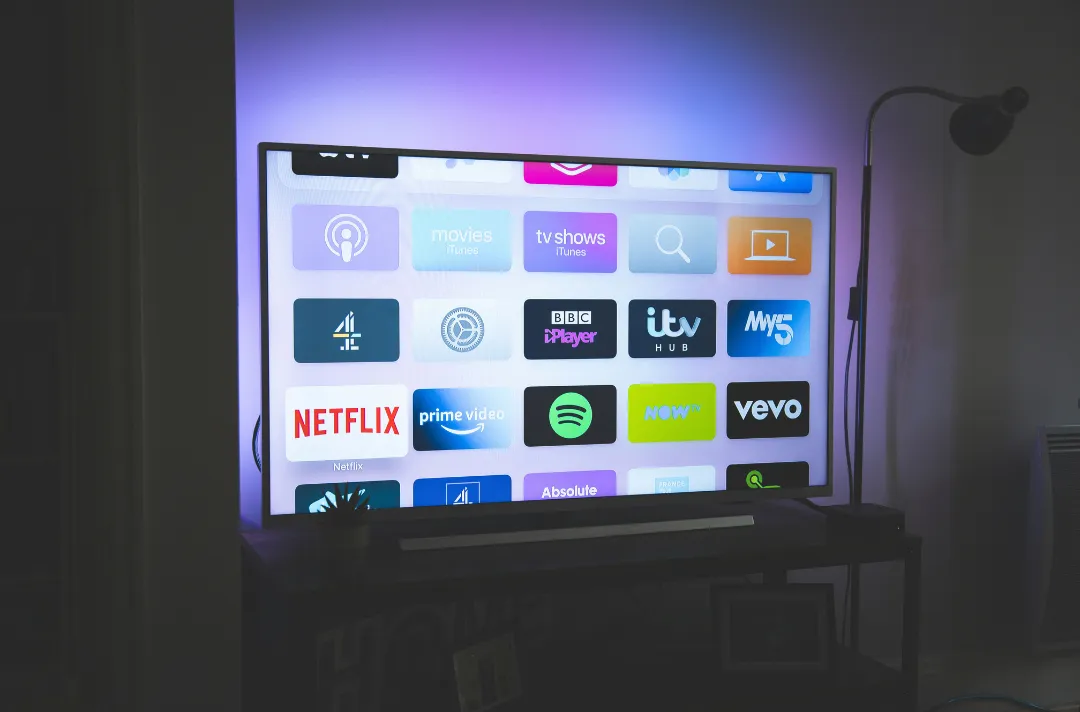
Five years ago, almost nobody listened to podcasts on a television. Today, one in eight weekly podcast consumers in the US says a TV is the device they use most. That's one of the fastest shifts in how people consume podcasts, and it changes what "good production" means for your show.
Edison Research's Podcast Metrics data shows that 13% of weekly US podcast consumers aged 13 and over now name a TV as the device they most often use for podcasts. In 2021, that figure was 1%. Year by year, it climbed from 1% to 4%, 6%, 7%, and 11% before reaching 13% in early 2026. TVs are now virtually tied with computers and laptops for second place, behind smartphones.
A separate study points the same way. Sounds Profitable's research found that smart TVs are now the most-used podcast device for 12% of US podcast consumers, up from 8% in 2024, while smart speakers have fallen to 1%. We looked at that shift in detail when smart TVs overtook smart speakers as a podcast device. Two independent studies using different methods now land in almost the same place.
The podcast audience didn't just add video. It moved part of itself to the biggest screen in the house.
If you want to know where TV podcast viewing happens, the answer is overwhelmingly YouTube. Among smart-TV podcast consumers in Sounds Profitable's Podcast Landscape 2026 study, 71% said YouTube is the app they use most. Netflix came second at 12%.
Edison's data adds a useful detail: people who use YouTube most for podcasts are considerably more likely to name the TV as their main podcast device. YouTube itself reported that viewers watched more than 700 million hours of podcasts on living-room devices in October 2025, up from 400 million a year earlier.
The other big platforms are moving in too. Apple shipped Apple Podcasts video on Apple TV with tvOS 27 in September 2026, and Netflix now carries more than 50 video podcasts. YouTube has also started testing always-on, channel-style streams for creators and podcasts through YouTube Stations.
Read more: Looking and sounding good in front of the camera
A phone is personal and close. A TV is across the room, often shared, and usually on for a while. Sounds Profitable found that 40% of podcast consumers now consume podcasts with other people at least occasionally, up from 37% the year before. That changes what your show needs to get right.
1. Shoot for a wide screen first
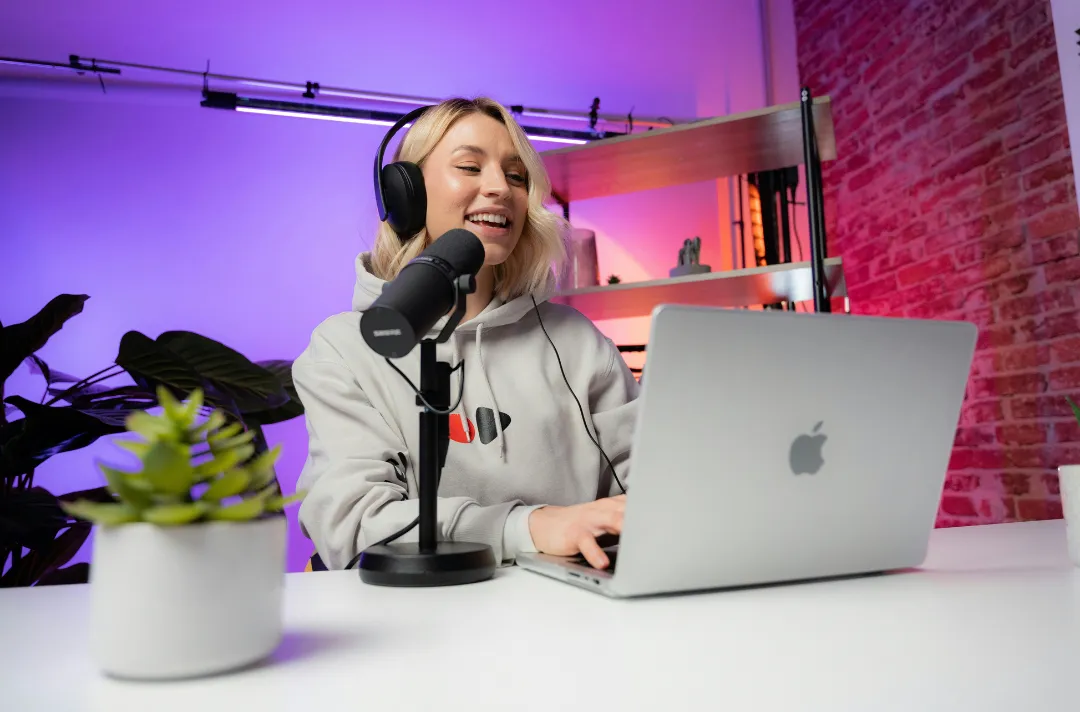
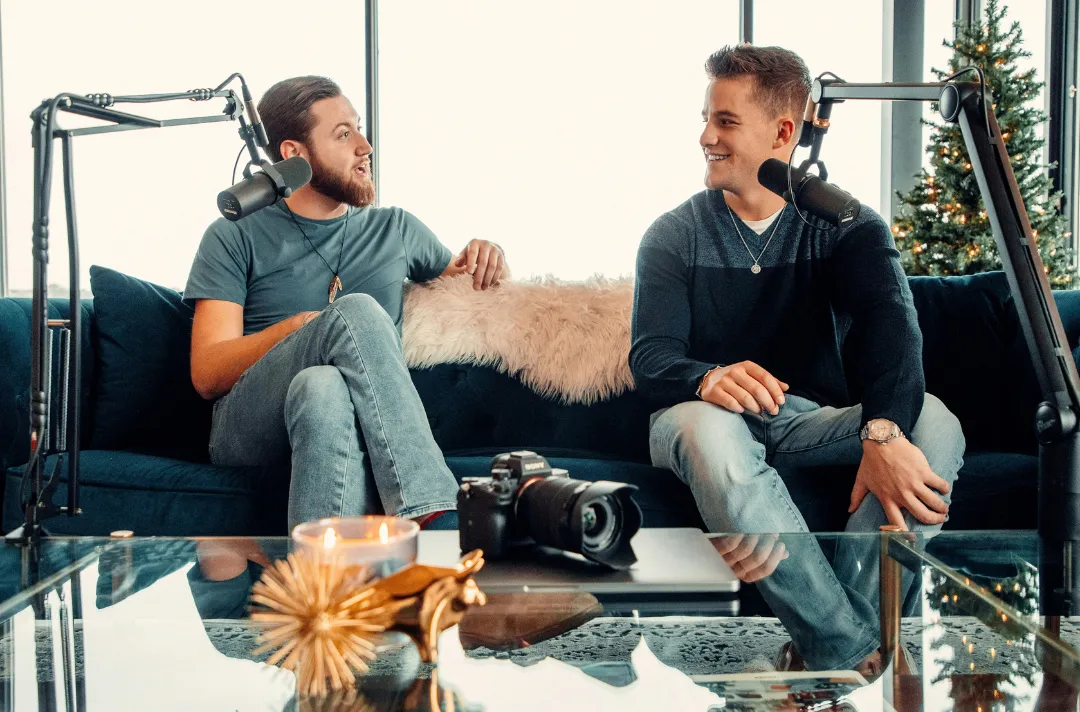
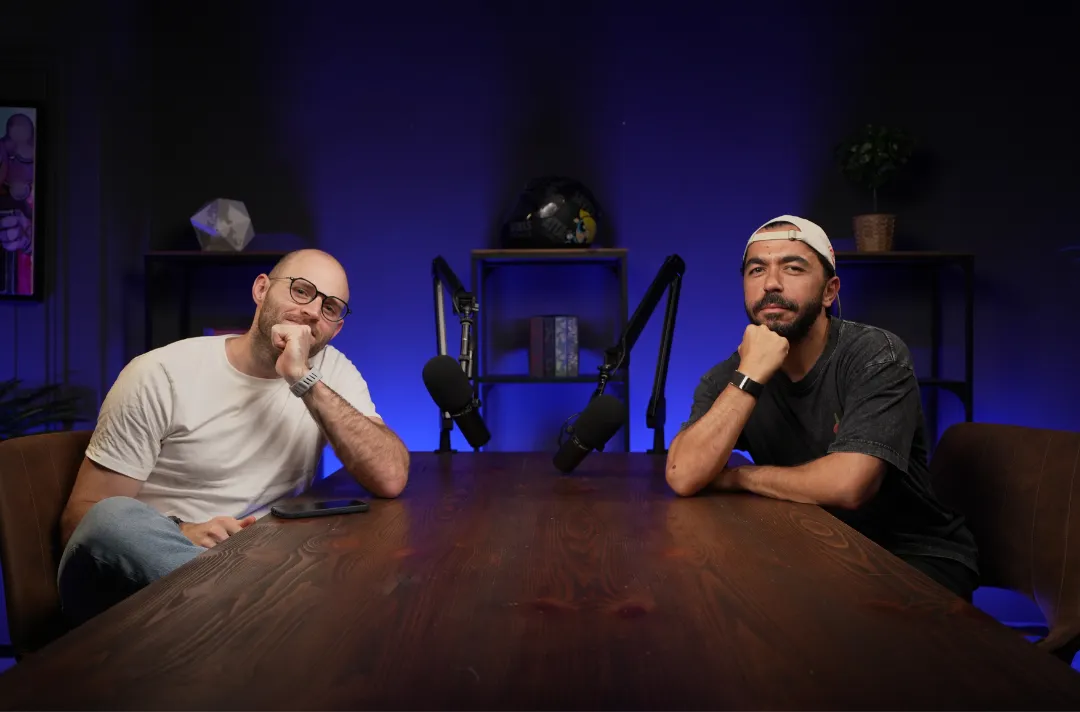
If most of your video thinking has gone into vertical clips, rebalance. TV viewers see your full 16:9 frame at large size, so composition matters: clean backgrounds, sensible framing for each speaker, and a wide shot that shows the conversation rather than only tight close-ups.
2. Make graphics readable from across the room
Lower thirds, titles, and on-screen data that look fine on a laptop can be unreadable on a TV from three metres away. Use larger text, strong contrast, and fewer words on screen at once.
3. Treat audio as if it's playing through TV speakers
Many people will hear your show through built-in TV speakers or a soundbar, not headphones. Consistent levels between hosts and guests, minimal room echo, and a properly mastered final mix matter even more here. Podnews recommends mastering podcasts to around -16 LUFS, a loudness standard that keeps speech clear without viewers reaching for the remote.
4. Help people navigate long episodes
Chapters with clear titles let TV viewers jump to the part they care about using a remote. That makes a 60-minute episode feel far less daunting on the big screen.
Short clips are great for discovery on phones, but people don't sit down in front of the TV to watch a 45-second excerpt. What gets played on the big screen is the full episode. If your show only publishes audio plus a handful of vertical clips, you're largely invisible to this growing slice of the audience.
That's a strong argument for publishing full-length video episodes on YouTube, filmed and edited to a standard that holds up at 55 inches. It doesn't mean every show needs a cinema-grade set. It means the basics of lighting, framing, and sound need to be right, because the TV shows every flaw at full size.
Pull up your YouTube Analytics and check the device breakdown for your episodes. If TV is already a meaningful share of your watch time, that's your cue to review how your show looks and sounds on a big screen. Watch your latest episode on a TV, from the sofa, and note everything that feels small, quiet, or cluttered.
If you'd like help making your podcast look and sound right on every screen, get in touch with the Poddster team.




Join 5.1K podcasters, creators, and brands already producing, editing and growing their video content with the world's #1 podcast studio brand.