

Get Started
Get Started


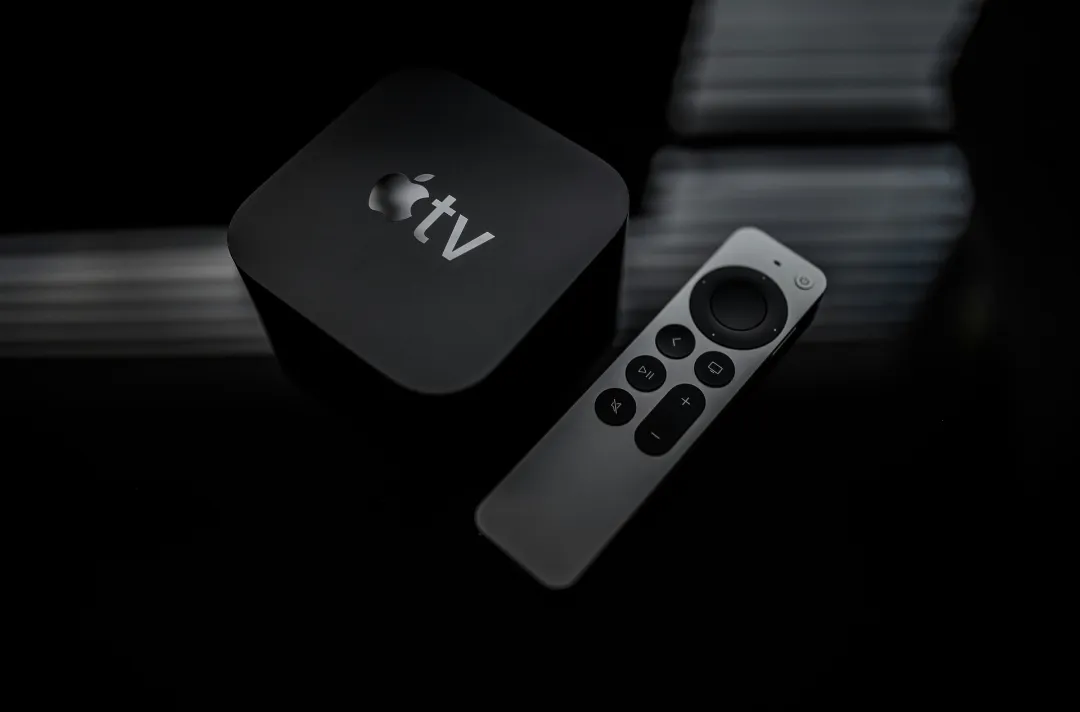
Apple spent the first half of 2026 previewing a redesigned, video-first Apple Podcasts experience in beta. As of September 14, that redesign is no longer a preview. It shipped publicly with iOS 27, tvOS 27, and macOS 27, and it brought video podcasts to two places they'd never really lived on Apple's platforms before: the Mac and the Apple TV.
The headline change is Apple TV. The Podcasts app there has been completely redesigned to support video podcasts and premium subscriptions, meaning a show with video episodes now has a real living-room presence on Apple's own hardware, not just a phone-and-earbuds existence. On Mac, video episodes are clearly labeled in the interface, and pressing play sends you straight into video playback rather than an audio player with a static thumbnail. Full-screen and Picture in Picture modes are both supported, and video episodes across iOS, iPadOS, macOS, and visionOS now come with full read-along transcripts, chapters, and media links attached.
Apple had already brought video to iPhone and iPad earlier in the year, and the early session-lift numbers from that first rollout were part of why the September expansion mattered. What shipped in September closes the gap on the two places that were still audio-only: the biggest screen in the house and the desktop.
Barely a week after the public release, Apple confirmed something bigger is coming: video support for Apple Podcasts Subscriptions. Creators will be able to offer subscriber-exclusive video episodes, ad-free video versions, early access, and bonus video content through the same subscription infrastructure that already powers premium audio tiers. That turns Apple's video push from a playback feature into a monetization feature, and it's the detail that should get a corporate or branded podcast client's attention, not just the Apple TV redesign itself.
1. Apple is no longer the platform you can skip when planning video
For a long time, "our audience is on Apple Podcasts and Apple is audio-first" was a reasonable excuse to deprioritize video production. That excuse is gone. Apple now supports video on every major device it makes, and it's actively building monetization tools around it.
2. Transcripts and chapters are now table stakes, not a nice-to-have
Every video episode on Apple's platforms now ships with a full read-along transcript and chapter markers automatically surfaced in the player. A show that isn't already producing clean chapter markers and accurate transcripts is behind what listeners will now expect by default on Apple's own app.
3. The subscription angle is worth watching even if you're not selling subscriptions today
If Apple builds real adoption around video subscriptions, it changes the calculus on whether a corporate show should have a public feed and a gated video tier. That's not a decision to make this week, but it's one worth revisiting once the subscription rollout is live rather than still in beta.
Apple joining the rest of the industry in treating video as core infrastructure rather than an add-on fits a pattern Poddster has been tracking across every major platform this year, not an isolated Apple decision. Clients weighing whether to finally add video to an audio-only show now have one fewer platform-based reason to wait.
Not sure whether your show is set up to take advantage of Apple's video push, or whether now's the right time to add video at all? Talk to Poddster about what a video-ready setup actually looks like.


