Get Started
Get Started


YouTube is expanding its always-on “Stations” format beyond music to cover podcasts and creator content - a new, TV-like distribution channel worth watching if you produce a video podcast.
YouTube has spent the last year quietly turning itself into something that looks a lot more like a TV network - and its latest move brings podcasts into that picture directly.
The platform is expanding Stations, its always-on, channel-style viewing format, beyond the music artists it launched with. Podcasts are now explicitly on the list.
Stations are YouTube's answer to the TV channel: an always-on stream built around a specific creator, artist, or content category, rather than a single video you choose and press play on. It's the same basic idea behind free, ad-supported television (FAST) platforms like Roku Channel or Samsung TV Plus - open it up, and something is already playing. Viewers can also chat live with other fans watching the same Station, adding a shared-viewing-room element on top.
YouTube first tested the format with 24/7 artist-focused streams during its Coachella coverage. According to a YouTube Help post announcing the expansion, the company liked what it saw: “while we started this pilot with a small group of music artists, you'll now start seeing Stations for a wide variety of new types of content” - explicitly naming “creator content, media channels, podcasts, and select new music artists.”
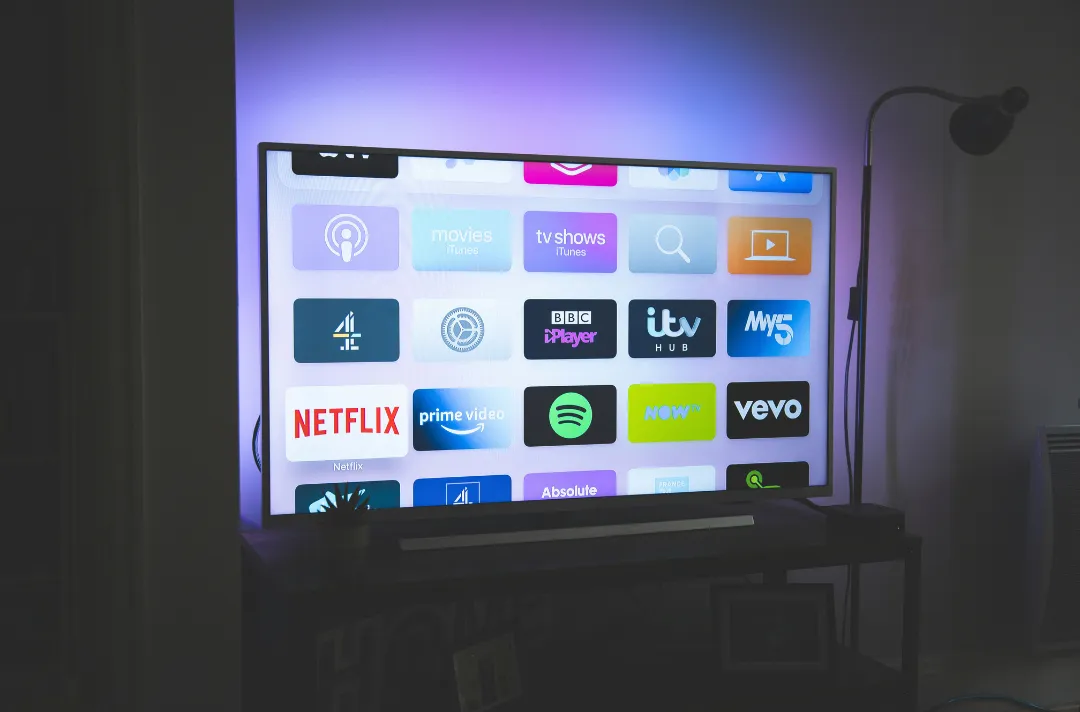
Two forces seem to be driving this. The first is straightforward: FAST and ad-supported streaming are growing fast, and YouTube wants a bigger foothold in living-room, lean-back viewing - the kind of viewing habit podcasts on YouTube are already well-positioned for, given how many people already treat video podcasts as a screen-on, TV-adjacent activity.
The second is the increasingly public rivalry between YouTube and Netflix over creator content. Netflix has been buying up creator-made shows, and YouTube has reportedly been offering some top creators significant money to keep their content off Netflix entirely. Stations, along with channel redesigns and serialized playlists YouTube has rolled out this year, are part of a broader push to give creators - and by extension, podcasters - a Netflix-like viewing experience without ever leaving YouTube.
This isn't live for everyone yet. Stations are currently available to only a “limited number” of creators, and viewers can watch them almost everywhere YouTube operates, with the exception of Portugal, Switzerland, and Türkiye. There's no public detail yet on exactly how a podcast gets included, what the discovery mechanics look like once you're in, or how advertising works inside a Station.
It's also worth noting Stations didn't appear in a vacuum. FAST and ad-supported video-on-demand platforms have been on a genuine growth run - Tubi, in particular, has become one of the space's biggest recent success stories - and YouTube is clearly trying to make sure it isn't left competing for that lean-back, TV-app audience from the outside.
It's too early to build a strategy around Stations specifically - the rollout is narrow and the mechanics aren't public yet. But it's a distribution format worth tracking rather than ignoring, especially if your show already publishes full-episode video on YouTube. A 24/7, TV-like channel built around your podcast's back catalog is a meaningfully different discovery surface than a single video sitting in search results or a subscriber's feed - closer to the always-on radio or FAST-channel experience than to on-demand video.
The broader signal matters even before Stations reaches every creator: YouTube increasingly wants to be watched like a TV channel, not just searched like a video library, and podcasts with a strong video presence are being built into that plan from an early stage rather than added on as an afterthought.
If you're producing a video podcast and want to make sure it's positioned for wherever YouTube's discovery surfaces go next, Poddster can help you plan a production and distribution strategy built for more than just the upload button. Get in touch to talk through it.



Join 5.1K podcasters, creators, and brands already producing, editing and growing their video content with the world's #1 podcast studio brand.