Get Started
Get Started


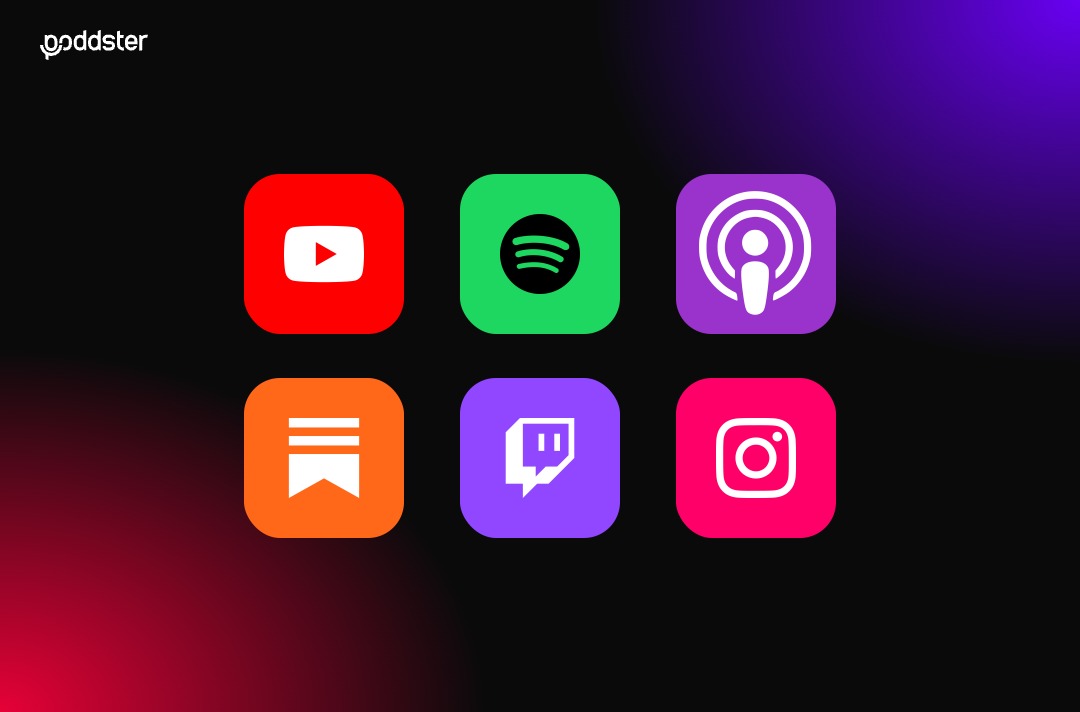
YouTube, Spotify, Apple Podcasts, Substack and Twitch all pay in different ways, with very different entry rules. Here is how they compare, and how to choose without chasing the biggest number.
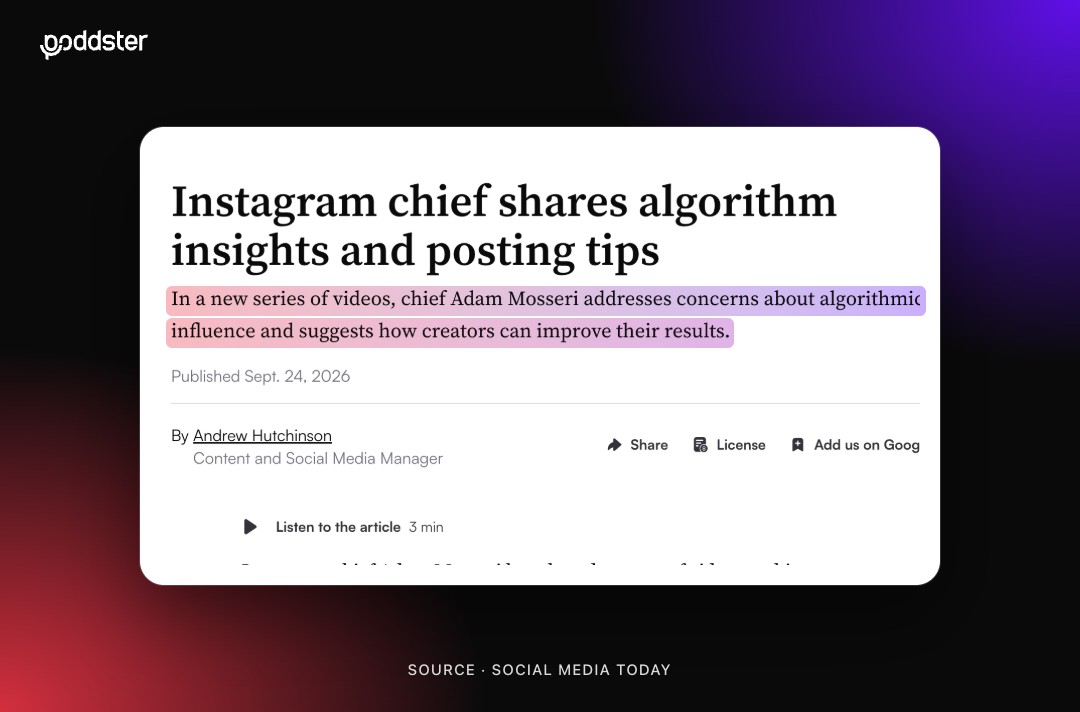
When Instagram started testing 90-minute videos, the first question from creators wasn't about reach. It was about money, and the early answer was that there's no ad revenue share yet.
That's the right question for any podcast weighing up a platform. Each one pays differently, and qualifying doesn't guarantee a meaningful check. A recent fact-check by The Publish Press compared five platforms. We've used it as a starting point, checked what we could against platform help pages, and added what it means for a video podcast.
1. YouTube
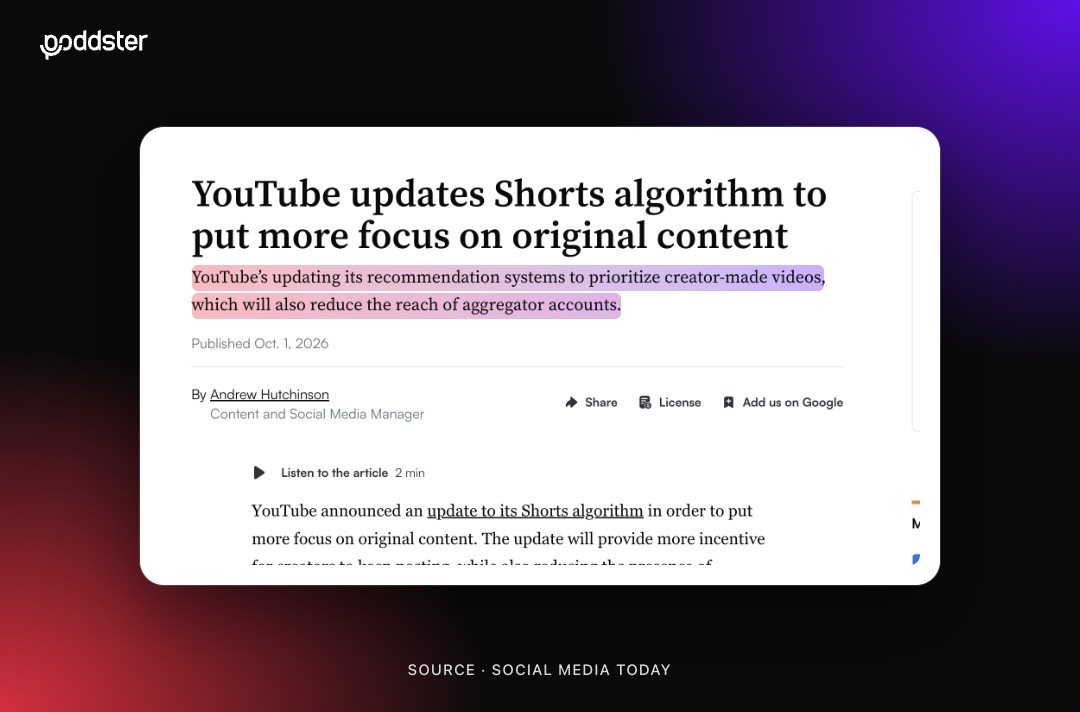
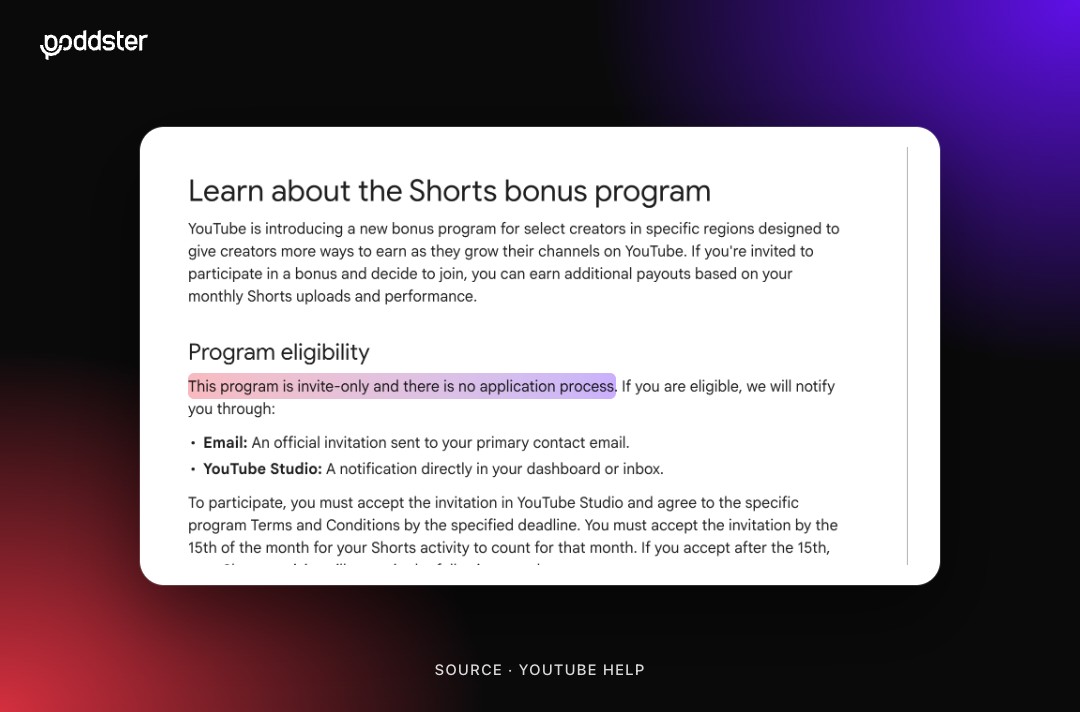
YouTube has announced updates to the Partner Program from 1 February 2027, so check the current rules before you plan around them.
2. Spotify
3. Apple Podcasts
4. Substack
5. Twitch
Read more: Creators want upfront deals like TV networks. Most of them can't have one.
Low barriers don't mean easy money. Substack lets you charge from day one, but only if people want to pay. No threshold doesn't solve that.
High percentages can hide small pools. A 55% share of very little is still very little. Ad rates, audience location and watch time all shape what you actually earn.
Official terms miss some of the money. Platforms also pay to attract creators. Business Insider reported that Meta offered some creators between $50,000 and $500,000 for long-form Instagram video. Those deals tell you what a platform wants, not what a typical show can expect.
Most shows shouldn't pick one. Think in layers.
1. Start with where people can find you
For many video podcasts, that's YouTube, your podcast's front door. Reach usually matters more than your revenue share while you're small.
2. Add an audio home that listeners already use
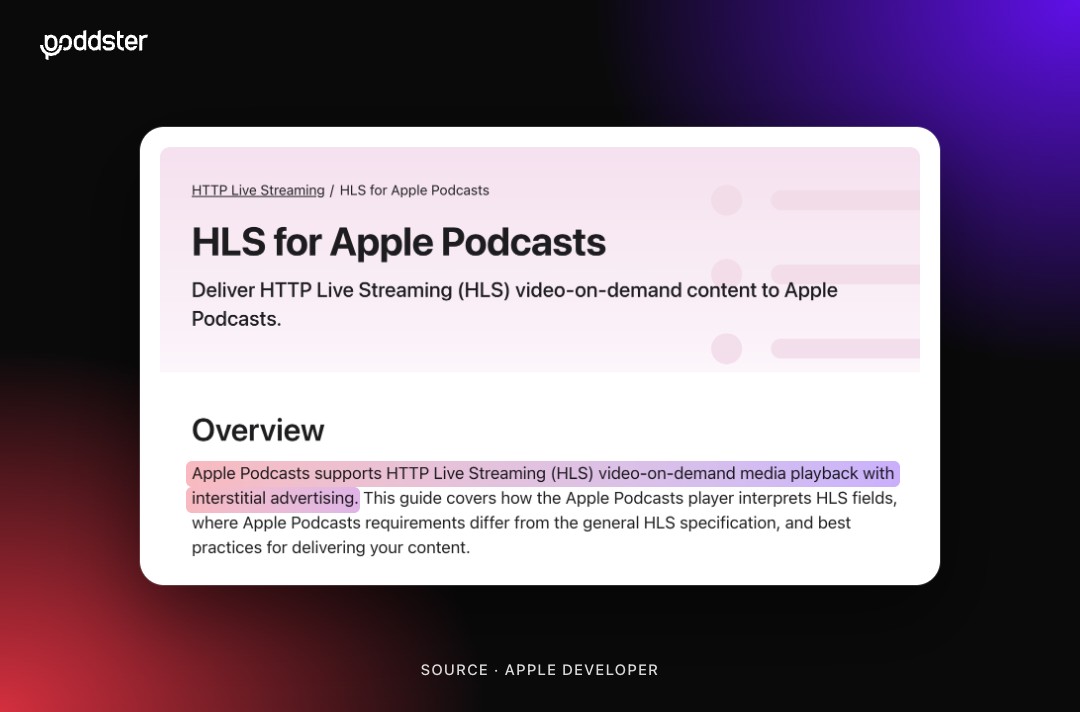
Plenty of people still choose Spotify and Apple Podcasts. Adding video there can pay off, but it's worth reading your own data first.
3. Build one direct relationship
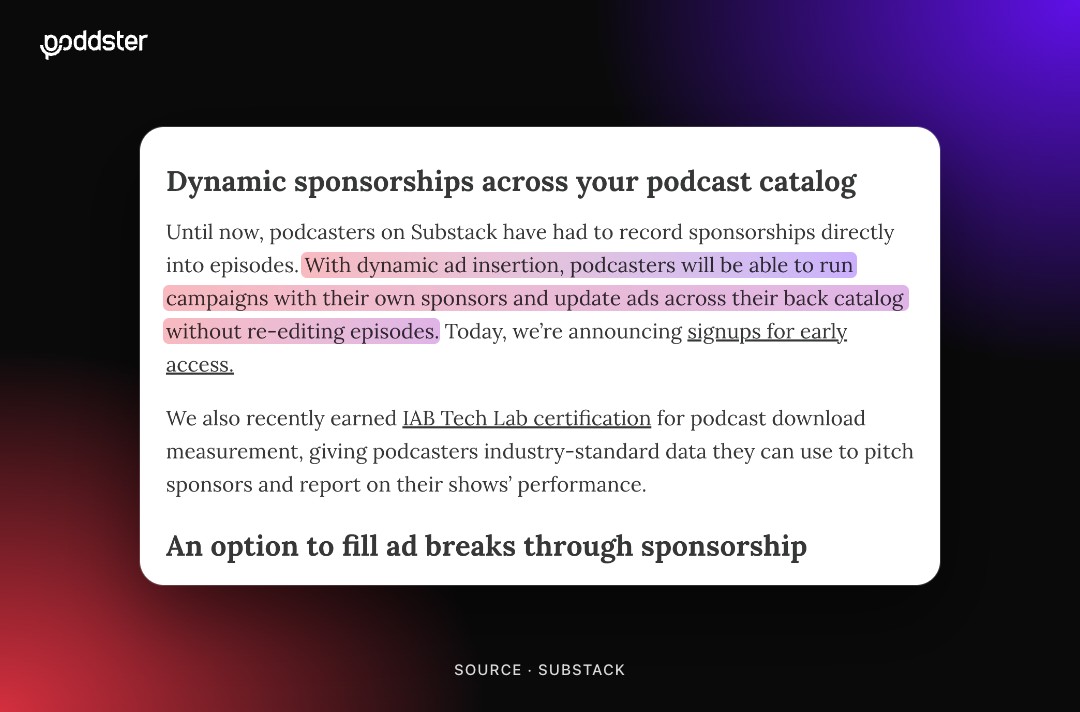
An email list or paid community survives any change in platform rules. Substack's podcast features are one route, but only if you'll actually keep it up.
4. Compare platform money with everything else
For many shows, sponsorship is the bigger line. Our look at whether podcast sponsorship is worth it is a good next step. If you're a brand, platform payouts may not matter at all. Reach and pipeline do.
Terms change often, so read each platform's current help page before making a decision. Then ask one question: if this platform paid nothing, would we still want our show there? If the answer is yes, you've found a good home. The money is a bonus you can grow into.
Working out where your video podcast should live? Talk to Poddster about your plan.






Join 5.1K podcasters, creators, and brands already producing, editing and growing their video content with the world's #1 podcast studio brand.