

Get Started
Get Started


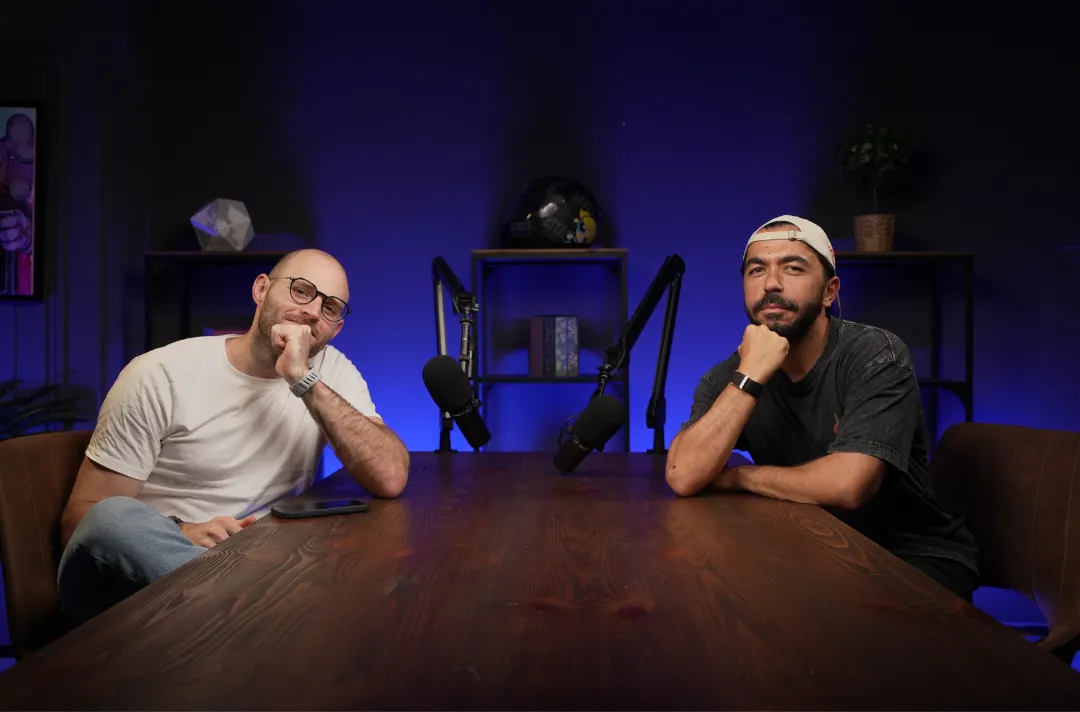
"Should we add video to our podcast?" usually gets answered with an opinion, especially for a show that's one of the shrinking number still audio-only. A recent Apple Podcasts beta, run through Acast, answers it with a number: a 25% lift in weekly sessions for shows that added video, and now the feature is open to every creator on the platform, not just the beta group.
Over a four-month beta period, shows that published video episodes on Apple Podcasts saw an estimated 25% increase in weekly sessions. The number that matters more than the headline figure is where that growth came from: 60% of the daily audience growth on Apple's HLS video infrastructure came from net-new listeners, not existing fans simply switching from audio to video. That's the difference between a format change and an actual growth channel.
Acast has since opened video publishing and monetization on Apple Podcasts to every creator on its platform, removing the invitation and waitlist requirements that gated the beta. Network creators get access through their partner managers, and everyone else can publish through a Video plan tier that handles upload, distribution, automatic audio extraction, and performance analytics.
Video on Apple Podcasts isn't only a listener-growth story. State Farm and T-Mobile ran the first integrated video ad campaigns on Apple Podcasts through Acast, combining Acast's ad marketplace, more than 4,000 advertisers deep, with Apple's HLS technology to deliver audio and video creative in a single buy. Acast reported that adding video to an existing audio ad campaign extended total brand reach by up to 39%. For a client already running podcast advertising, that's a meaningful lift available from the same show, without building a separate video ad product from scratch.
1. The growth case no longer relies on assumption
"Video will probably help us reach new people" used to be a reasonable but unproven pitch. It's now backed by a controlled beta showing most of the lift is genuinely new audience, not existing listeners changing habits.
2. The barrier to entry just dropped
With the waitlist removed, a show doesn't need a special relationship or an invitation to start publishing video on Apple Podcasts. The Video plan tier handles the technical side, including automatically extracting audio from the video file, so a show doesn't need to produce two separate versions of every episode.
3. Advertising revenue is a second, separate reason to add video, not just a nice side effect
If a show already runs sponsorships or ad reads, the 39% reach extension from adding video to an existing campaign is a direct, quantifiable reason to make the switch, independent of the listener-growth argument.
This fits a broader pattern this year of every major platform treating video as core infrastructure rather than an optional extra, and it's one of the clearest concrete numbers to cite when a client is still on the fence about whether adding video is worth the production investment.
Weighing whether to add video to an audio-only show, and want the production and distribution side handled properly from the start? Talk to Poddster about what a video rollout would actually look like for your podcast.


