Get Started
Get Started


Google has started linking video results in AI Mode to creators' Search profiles. It's only a test, but it points to why your show and host names need to be consistent across the web.

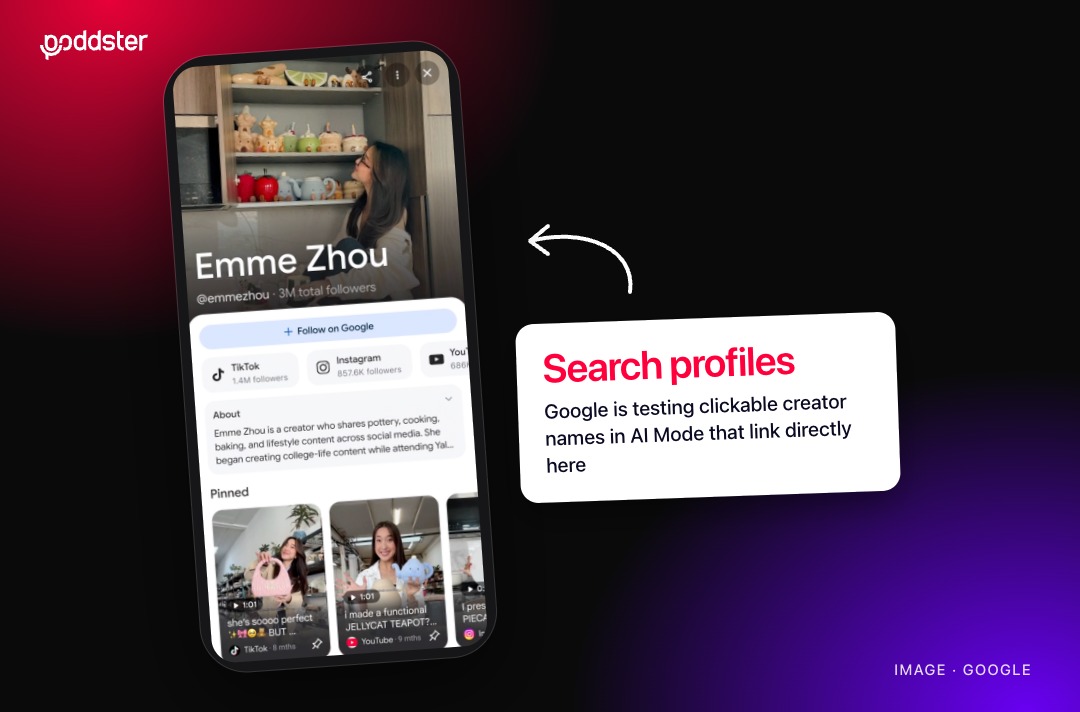
AI search has a credit problem. It can summarize what your show said without anyone noticing who said it. A small test from Google could change that a little, at least for video.
In a post on 15 October, Google said it has started testing clickable creator and publisher names on video results in AI Mode. The names link directly to their Search profiles, which Google describes as a quick way to learn about creators and their wider work.
If your podcast is on YouTube, that's worth a few minutes of your attention. It isn't worth panic.
Be precise about what Google has announced:
In the same post, Google said the number of people using its Preferred Sources feature has grown by more than 7x since the start of the year. That feature lets people choose outlets they want to see more of. We don't have a starting number, so treat the multiple with care. The direction is still interesting: Google is giving people more ways to look for sources they already know and trust.
Being named matters more when people don't click. We've written before about how your buyers are asking AI assistants the questions your show should answer. If a video from your show appears in that answer, a clickable name is a direct route to learning who you are.
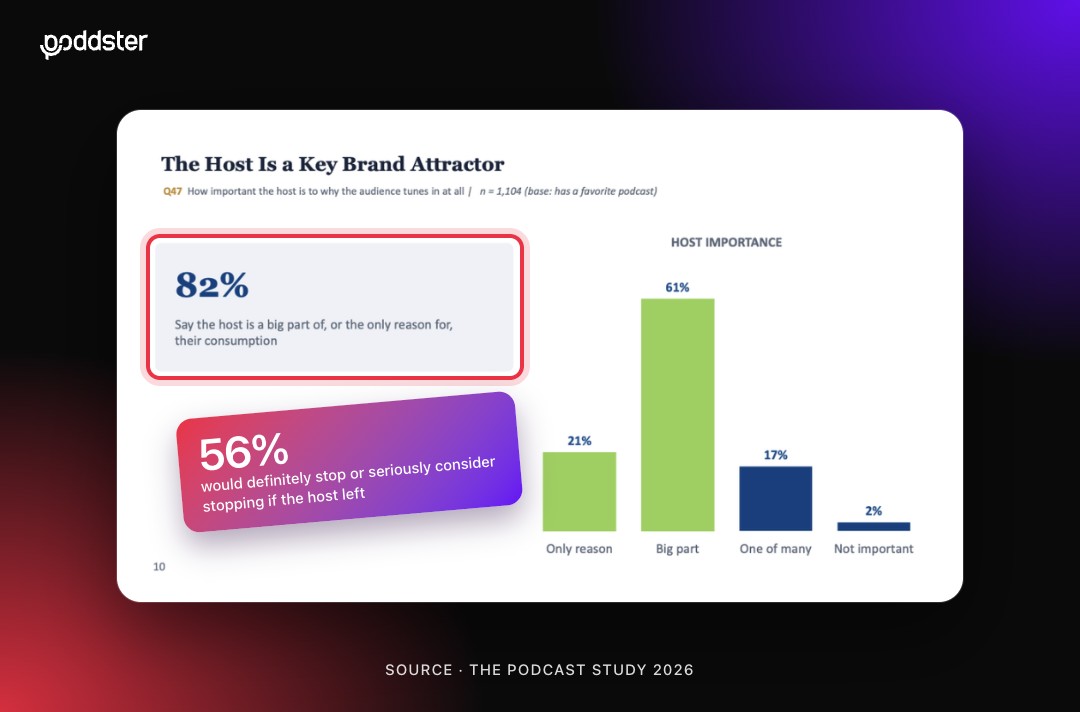
For a host, it also connects expertise to a person. For a brand, it may help link a show's video to the company making it, though there's no evidence yet of how often that will happen.
So the test doesn't create a new channel. It adds one more reason to do basic work that podcast SEO already rewards.
Read more: How podcast discovery really works in 2026
None of these steps depend on the test lasting. That's the point.
1. Use one name everywhere
Use the same show name on YouTube, your podcast feed, your website and social profiles. Do the same for your host. If they're "Dr. Sarah Khan" in one place and "Sarah K." in another, you're making it harder for people and machines to connect the dots.
2. Check whether a Search profile is open to you
Look at Google's guidance for Search profiles and see whether your show or host is eligible. Don't pay anyone who promises to guarantee one. Google hasn't suggested that's possible.
3. Write video titles and descriptions for humans
Say who is speaking and what they talk about. "Episode 142" tells nobody anything. "How mid-sized banks are using AI, with CFO Maya Rahman" gives both readers and search systems something to work with.
4. Give your host and show proper web pages
A simple show page and a host bio on your own site give people a place to land. They also give you something you control, whatever Google does next.
5. Make it easy to choose you
If your show covers news or analysis, make sure your website is one people can find and recognize. Regular listeners are the people most likely to look for you by name, so your YouTube presence and your website should clearly belong to the same show.
The real question is whether these names get clicked. Google hasn't shared any data on that. Watch your YouTube and website traffic from search over the next few months, and don't expect to see this test isolated in your reports.
Want help making your show easier to find in AI search? Get in touch with Poddster.







Join 5.1K podcasters, creators, and brands already producing, editing and growing their video content with the world's #1 podcast studio brand.