Get Started
Get Started


Most people doubt that creators label their paid deals, and YouTube has started labelling them itself. Here is how to disclose podcast sponsorships clearly, without making the ad read feel awkward.


Here's an uncomfortable number for anyone who runs ads on a podcast. Just one in four US adults believe content creators consistently disclose brand ties when they promote a sponsored product, according to a Morning Consult survey of around 2,000 people for Business Insider.
The doubt grows with age. In the same survey, 53% of Baby Boomers said creators "rarely or never" clearly disclose paid deals, compared with 21% of Gen Z. If your show reaches senior decision makers, that's the more sceptical end of the audience.
Some of that doubt is earned. In a separate SheSpeaks report cited by Business Insider, 14% of creators admitted they don't always disclose brand ties, and 18% said a brand had explicitly asked them not to disclose a paid deal in the past year.
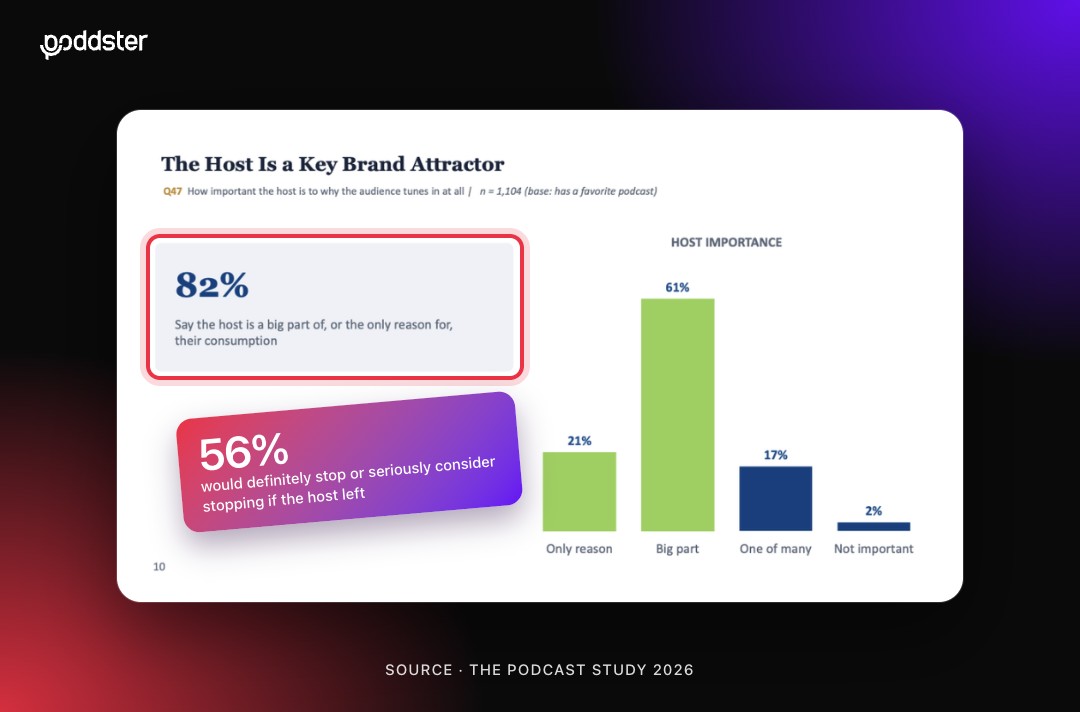
Podcast listeners tend to trust their favourite host like a friend, and that trust is the asset a sponsor is renting. A host-read ad works because people believe the host means it. If listeners later feel they were sold to without being told, the damage lands on the host first and the brand second.
Emily Steele, CEO of creator marketing platform Hummingbirds, made the same point to Business Insider: followers struggle to trust a creator "when I feel like all you post is a paid brand deal". Disclosure doesn't weaken a good recommendation. Hiding it does.
Read more: Listeners don't think podcasters are influencers. But most say one has changed their mind.
In September, YouTube said it was rolling out automated systems that may apply a disclosure label on a creator's behalf when it finds branded content that hasn't been declared. YouTube's help pages are also clear that creators stay responsible for meeting any legal requirements in their market.
For a video podcast, that matters in two ways. A sponsor segment you didn't declare could end up labelled anyway, on YouTube's terms rather than yours. And a label added after the fact can look like you were caught, which is the opposite of the impression you want.
The rules aren't only American, either. The US Federal Trade Commission expects disclosures that are hard to miss, and the UK's Advertising Standards Authority updated its guide for influencers in October 2026. Wherever your audience lives, the direction is the same: label ads clearly.
1. Say it out loud, at the start of the read
If the endorsement is spoken, the disclosure should be spoken too. The FTC's guidance says that if a claim is made audibly, the disclosure should be made audibly as well. Open the segment with plain words: "This episode is sponsored by..." or "Today's ad is from...". Skip vague shorthand like "collab" or "spon".
2. Put it in the episode, not only in the show notes
Show notes are a useful extra, but most people never read them. The FTC warns that disclosures are likely to be missed if they only appear at the end of a video or behind a "more" link. The episode itself is where the disclosure counts.
3. Tick the box on YouTube as well
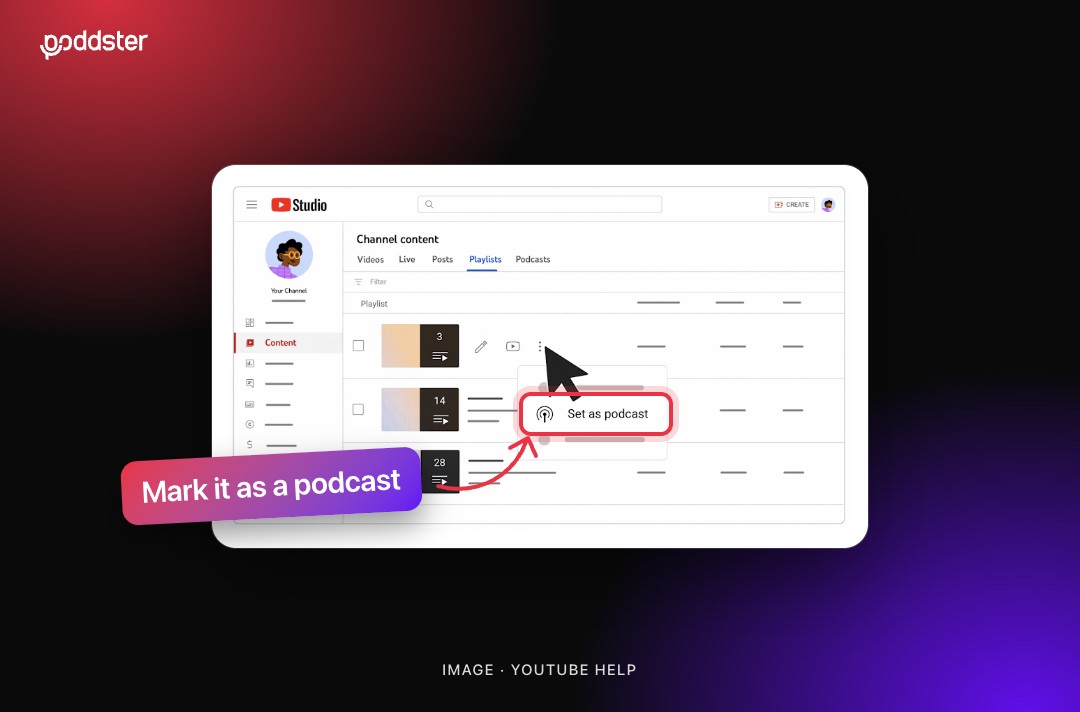
When you upload, YouTube Studio asks about paid promotion. Choosing "Yes, my video includes branded content" adds a disclosure label at the start of the video. Do it every time a video podcast includes a paid read or a paid placement. It doesn't replace your spoken disclosure, but it means YouTube doesn't have to guess.
4. Repeat it in long episodes and live shows
People join a long episode halfway through, and they skip around. Give each mid-roll its own short disclosure, and for live recordings follow the FTC's advice to repeat the disclosure periodically for people who only catch part of the stream.
5. Make the owner obvious on a branded podcast
If a company makes the show, say so in the intro, the trailer and the show description. Treat a sponsor's product on set the same way. Product placement is growing fast, and it still needs a clear label.
6. Write disclosure into every brief and contract
Given that almost one in five creators in the SheSpeaks report said a brand asked them to stay quiet, put disclosure in writing before the campaign starts. If you're the brand, say you expect it. If you're the show, make it a condition.
Read more: Do you need to disclose AI use in your podcast?
A sponsor segment that starts with "this is an ad, and here's why I agreed to it" often lands better than one that pretends to be a casual aside. Listeners can hear the difference. That honesty is a big part of why podcast sponsorship can work so well when it's done properly.
This isn't legal advice, and the rules vary by market, so check the guidance where your audience lives. But the habit is the same everywhere: say it clearly, say it early, and let the host's recommendation do the rest.
Planning a branded podcast or a sponsored series? Talk to the Poddster team.






Join 5.1K podcasters, creators, and brands already producing, editing and growing their video content with the world's #1 podcast studio brand.