Get Started
Get Started


From a four-acre creator campus in Los Angeles to Live Nation buying into creator management, the creator economy is turning into an industry. Here's what that means for brands, and why owning your own show still matters.

The creator economy used to be a scrappy corner of marketing: a few influencers, a few sponsored posts, and a lot of guesswork. In autumn 2026, it looks much more like an industry with its own campuses, holding companies, and acquisition strategies. For brands, that brings opportunities and new questions about what you're actually paying for.
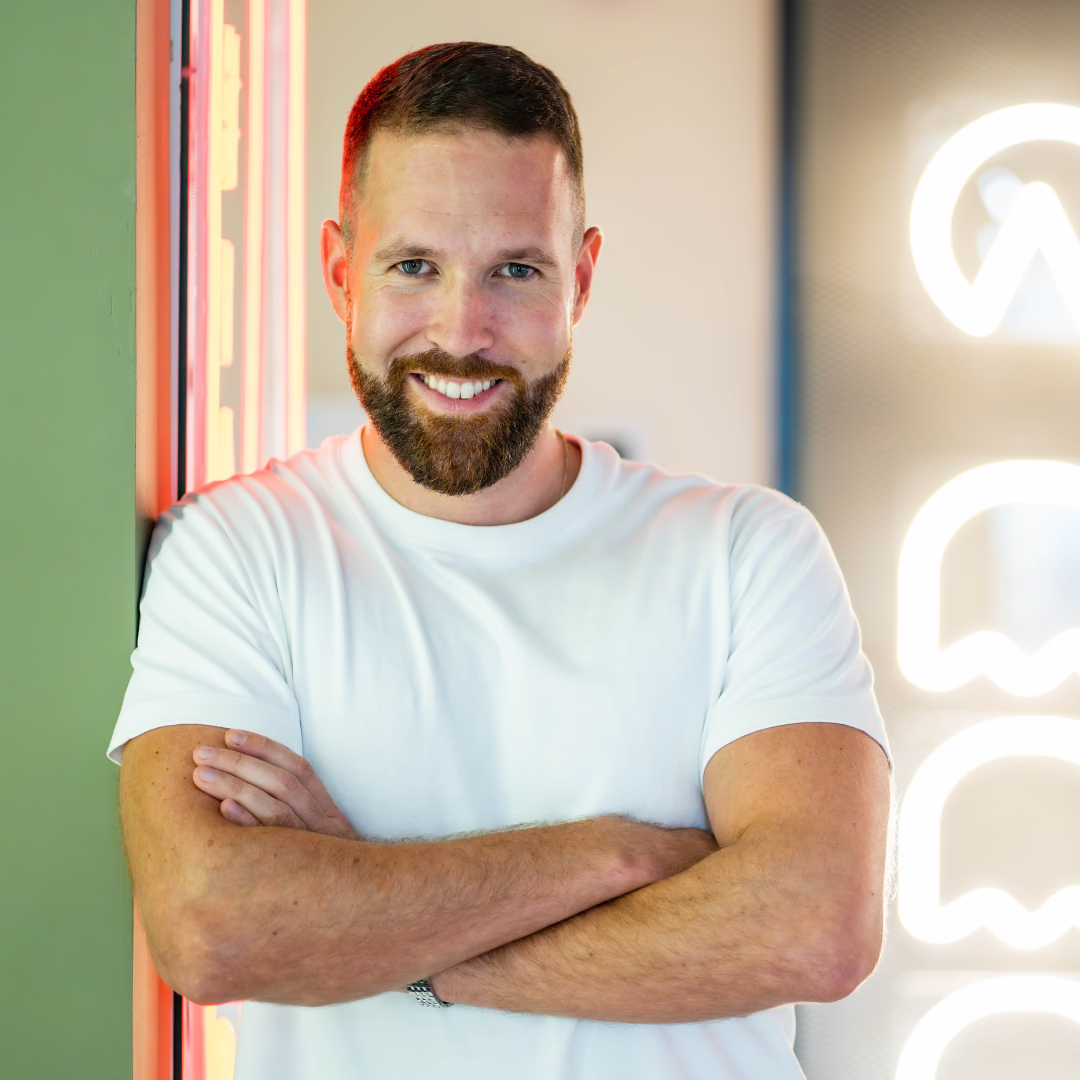
Creator Dhar Mann served as Advertising Week New York's first "Chief Creator Officer" and gave the opening keynote on October 5, 2026. He made two big announcements.
1. Creator City
Mann unveiled Creator City, a four-acre production campus in Los Angeles with five soundstages for videos, podcasts, live events, and collaborative creator projects. It's due to open during Super Bowl weekend in February 2027. In a statement reported by Tubefilter, Dhar Mann Studios described it as a physical home for an industry that has never had one.
2. A $100 million deal target
Mann also set out to help broker $100 million in deals between brands and creators. He told Digiday that CMO pledges had already passed that figure, but no brands were named, and he didn't expect contracts to be signed that week. As he put it, brands "allocate Q4 budgets in Q1 or Q2, they're not suddenly going to unlock dollars that did not exist." So the $100 million is a set of pledges, not completed deals.
Creators were everywhere at the event. Industry publication The CMO reported that Advertising Week expected at least 2,500 creators to attend in 2026, up from about 1,000 the year before.
Advertising Week wasn't an isolated moment. In the space of a few weeks:
The money behind it is real. The IAB's 2025 Creator Economy Ad Spend report put US creator ad spend at $37 billion in 2025, up 26% year on year, and expected it to reach $44 billion in 2026. Some creators are even pushing for TV-style upfront ad deals to lock in that spend.
Creators aren't just selling posts any more. They're building media companies, and brands are buying into them.
Read more: Brands are turning employees into creators. Most are getting the setup wrong.
More professional creator businesses should mean more professional deals. Here's what we'd expect any brand to ask for before committing budget.
1. Verified audience data
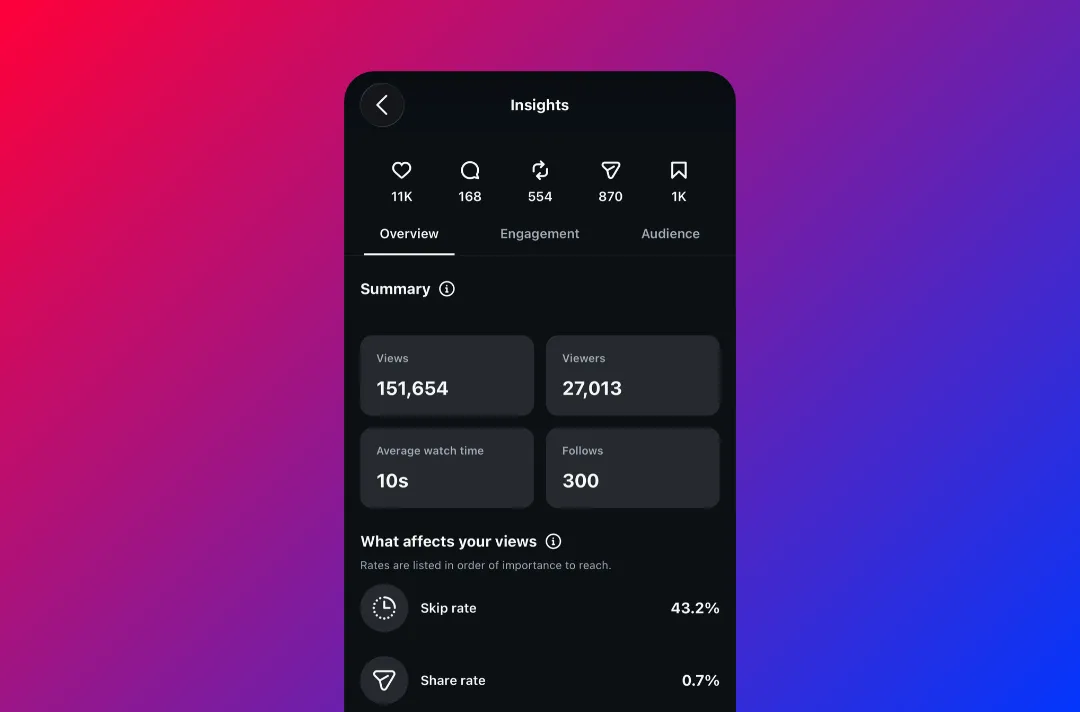
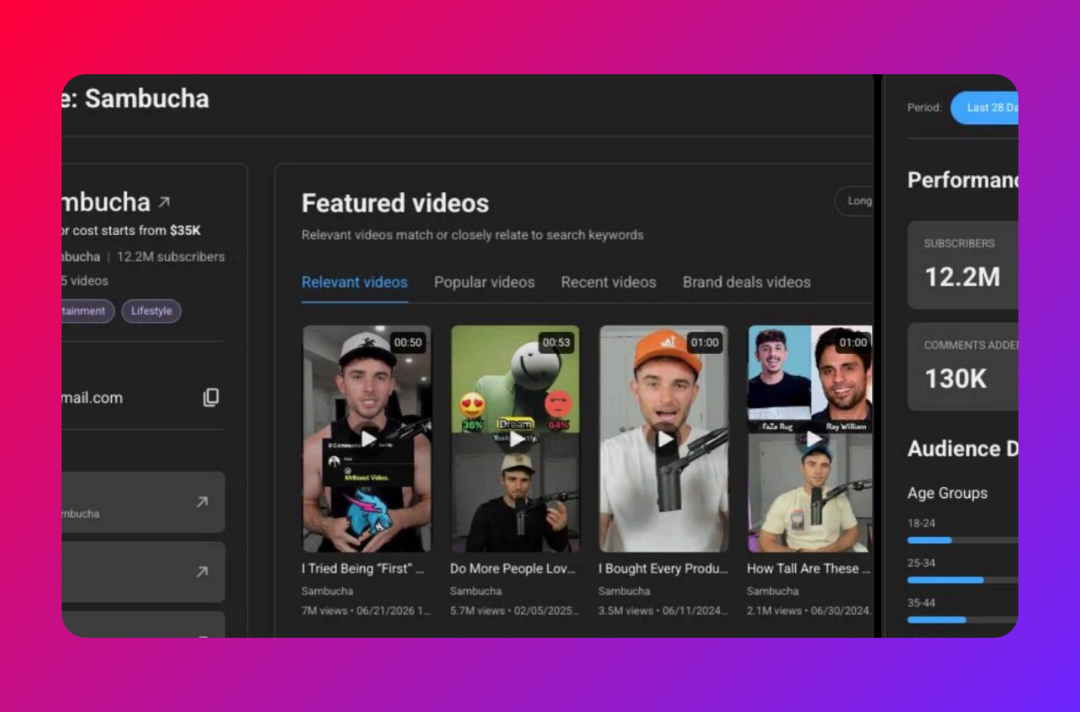
Ask for first-party analytics, not screenshots of headline numbers. On YouTube in particular, public view counts now start from the first frame, so request engaged views and audience demographics.
2. A defined outcome
Agree in advance what the partnership should achieve, whether that's sign-ups, sales, event attendance, or brand awareness among a specific audience, and how you'll measure it.
3. Audience fit over follower count
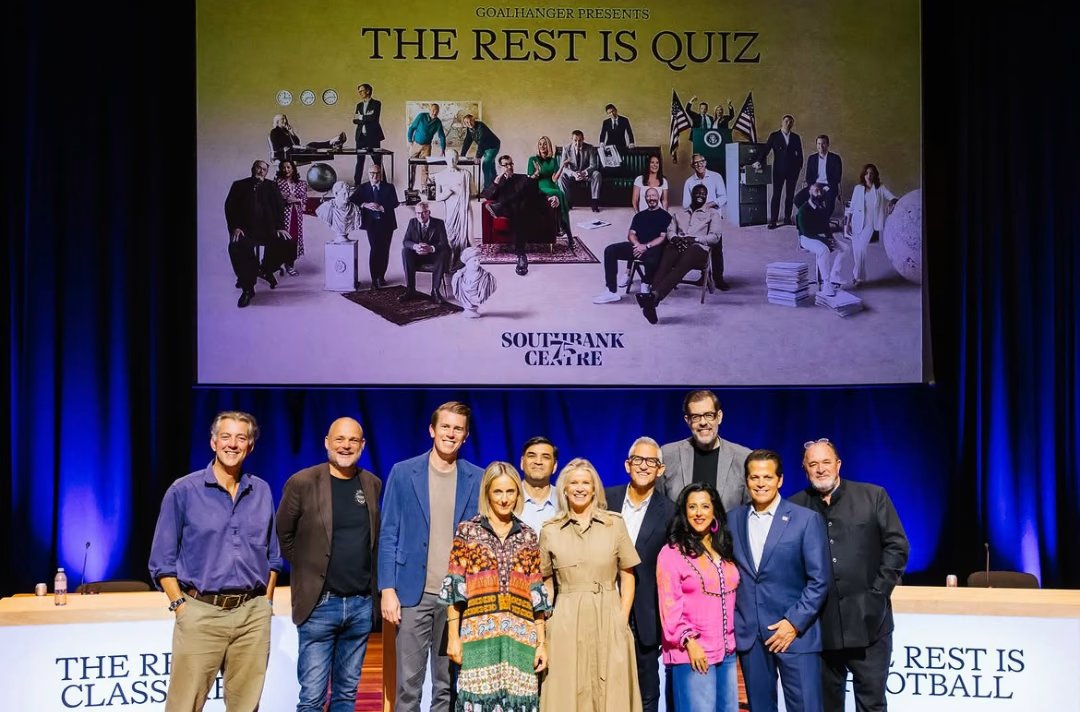
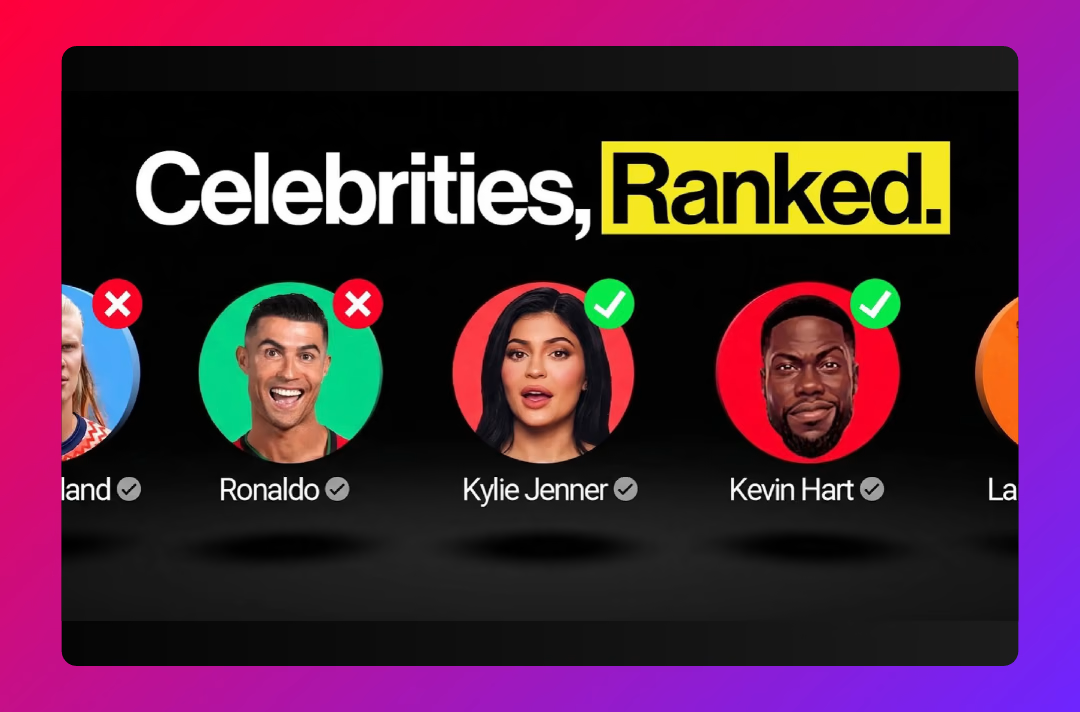
Big names don't always deliver. Our look at what makes a celebrity YouTube channel work found that the most famous name in the room isn't always the one with the most engaged audience.
4. Rights to reuse content
If a creator produces content featuring your brand, agree upfront where and for how long you can reuse it, from paid social to your own website.
5. Clarity on pledges versus contracts
Announcements make headlines. Signed agreements make results. Treat big public figures, like the $100 million pledge, as a sign of where the market is going rather than proof of what any single deal will deliver.
There's another way to read this trend. Companies like Live Nation and Morning Brew aren't just sponsoring creators. They're buying creator-led media businesses because an audience that trusts a voice is a valuable asset.
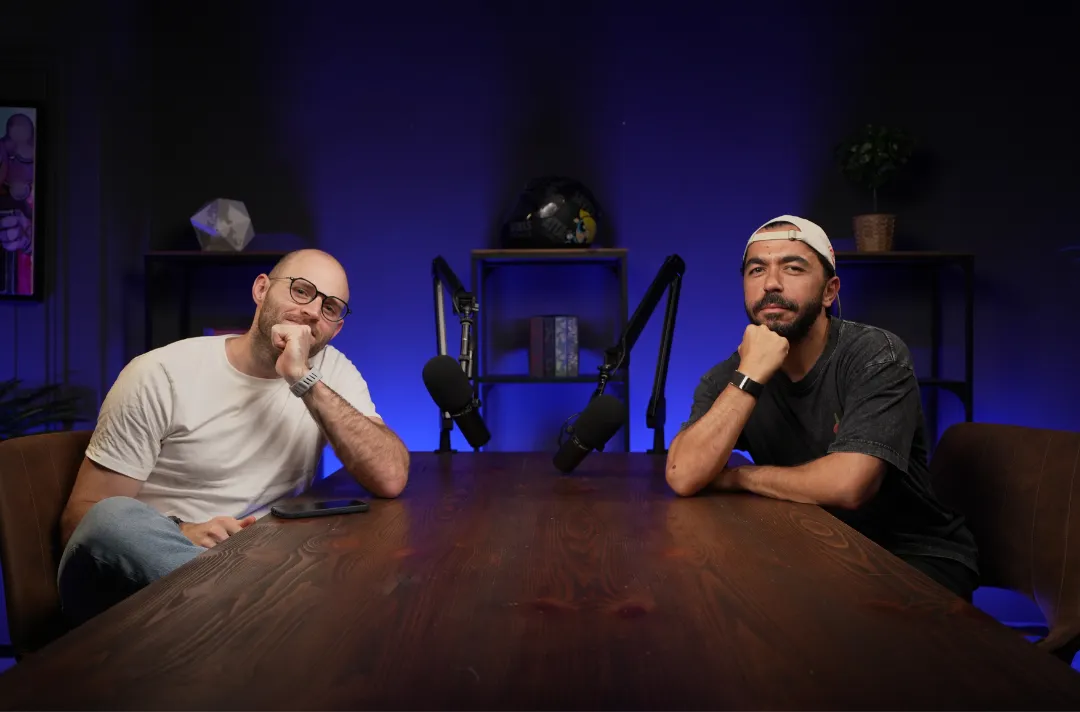
Brands can build that asset too. A well-run branded podcast gives you your own host, your own audience, and your own content library, without renting someone else's reach for every campaign. It doesn't replace creator partnerships, and the two often work well together. But it means the relationship with your audience is something you keep.
And as campuses like Creator City show, studio-quality video and podcast production is becoming the standard for creators competing for brand budgets. Your own show needs to meet that bar.
If you're weighing creator partnerships against building your own podcast, or want to do both, talk to the Poddster team.




Join 5.1K podcasters, creators, and brands already producing, editing and growing their video content with the world's #1 podcast studio brand.