

Get Started
Get Started


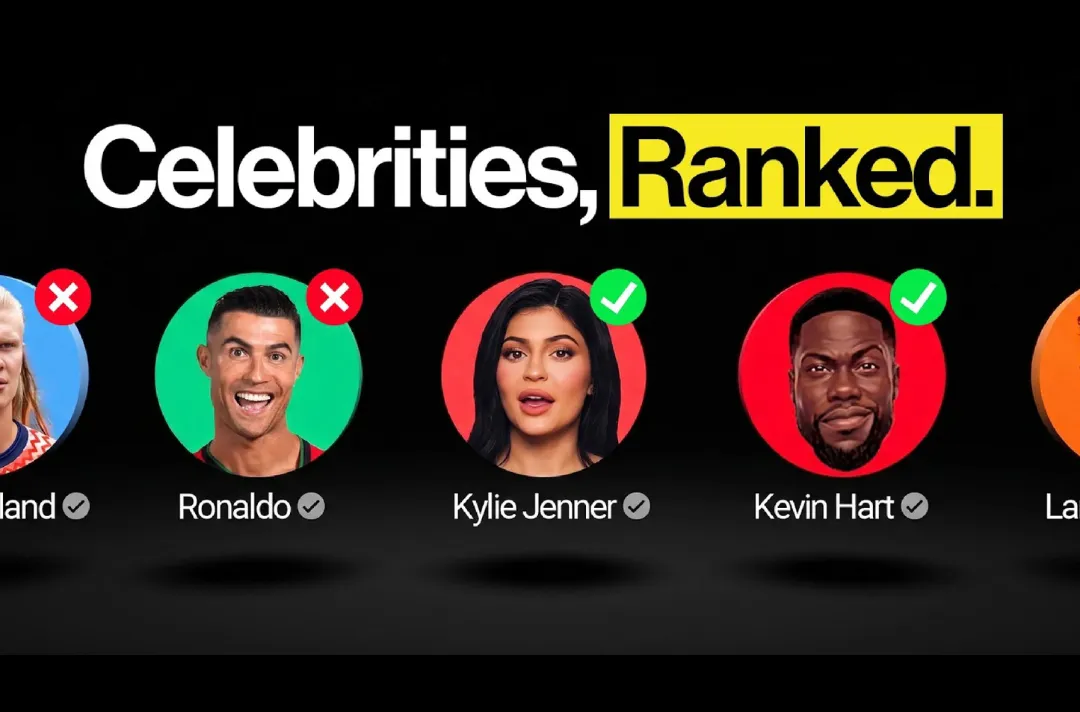
Subscriber count would suggest Cristiano Ronaldo's YouTube channel is untouchable. With 83 million subscribers, it dwarfs almost anything else in the ranking Colin and Samir put together of 16 celebrity YouTube channels. And yet by their account, his view counts often dip below those of Bollywood director Farah Khan, whose channel has a fraction of the audience. Name value, it turns out, only gets a channel so far.
The clearest gap in the ranking was between channels viewers instantly understand and channels that don't have a defined shape. Farah Khan's channel operates like a TV show distributed on YouTube, a format viewers can predict and return for. Ronaldo's channel, by contrast, works more as an aggregator of clips, promos, and the occasional vlog, reach without a repeatable reason to come back specifically for it. It's a similar dynamic to what shows up in how audiences actually search for and find shows on YouTube: a clear, nameable identity is what gets searched for a second time.
Matthew McConaughey's channel rarely shows his face at all, instead posting five-minute audio clips of poems and stories, many of which don't break 100,000 views despite his fame. F1 driver Lando Norris's Quadrant channel takes the opposite approach: direct, personable vlogs that give viewers real access to his life, the kind of parasocial closeness that reach alone doesn't buy.
MMA fighter Israel Adesanya has posted consistently for five years with relatively low-lift reaction content, a format that's sustainable precisely because it doesn't demand heavy production every episode. Kevin Hart and LeBron James, both of whom recently launched golf channels built around hour-long, highly-edited videos, face a harder version of the same test: whether that level of production can hold up at a consistent cadence over time.
The takeaway Colin and Samir land on applies just as directly to a branded podcast or YouTube channel with zero name recognition to lean on, including a branded podcast built as a marketing channel rather than a celebrity vanity project: a clear identity, genuine audience connection, and consistent delivery matter more than reach or budget. A brand with a smaller following but a sharply defined format can out-perform a bigger name with a vaguer one.
1. Define what your channel actually delivers, in one sentence
If a viewer can't describe what they'll get from your next upload before watching it, the format isn't clear enough yet, regardless of production budget.
2. Pick a level of access you can sustain, and commit to it
Whether that's a personal, vlog-style closeness or a more produced, TV-like format, the specific choice matters less than choosing one and following through on it consistently.
3. Match your format to what you can actually deliver on schedule
A heavily produced format that burns out your team in six months does less for a channel than a simpler format sustained for years, as Adesanya's five-year run demonstrates.
Celebrity status buys attention for a launch. It doesn't buy the identity, connection, or consistency that keeps people watching, and any brand or independent creator building a channel has just as much access to all three.
Building or refining your show's identity on YouTube or podcast platforms? Talk to Poddster about developing a format that's genuinely repeatable, not just well-produced once.


