Get Started
Get Started


Gap, Starbucks, and Staples are all building employee-creator programs, but two very different approaches. Here's what separates the ones that actually work.

Turning employees into creators sounds like an easy win: built-in authenticity, free reach, people who already know the brand, the same instinct behind a lot of the shift toward more authentic-feeling branded content generally. In practice, brands are taking two genuinely different approaches to it, and the difference in setup matters more than the idea itself.
Gap Inc. opened up its existing cross-brand creator and affiliate program to employees across Gap, Old Navy, Athleta, and Banana Republic, letting staff share personalized affiliate links and earn commission the same way an external creator partner would. It's a lighter lift: an existing system extended to a new group of participants rather than a program built from the ground up.
Starbucks took the harder route. It's piloting a custom Creator Network inside TikTok's Content Suite, built specifically for employee-driven content, complete with real content briefs and compensation through ad-revenue sharing for a select group of employee creators. That's a meaningfully bigger investment than opening an affiliate link program, and it comes with a bigger set of operational questions: who approves content, how creators are chosen, and how payment actually gets calculated and delivered.
Staples and Dell have run comparable employee-creator efforts, and the pattern across all of them is the same underlying tension Digiday's reporting surfaces: an employee-creator program isn't just a marketing decision, it's an infrastructure decision, and brands that skip the infrastructure work tend to end up with a program that looks good in a press release and stalls in practice.
1. Clear ownership of who runs it day to day
An employee-creator program needs a specific owner inside marketing or comms who reviews content, manages the relationship with participating employees, and is accountable for whether it's actually working, not a program that exists as a policy document with no one actively running it.
2. Compensation that reflects the actual effort, not a token gesture
Starbucks' ad-revenue-sharing model and Gap's commission structure both give employees a real financial stake in participating. A program that asks for consistent content without meaningful compensation tends to see participation drop off once the initial novelty wears off.
3. Simple metrics everyone actually agrees on upfront
Store-level sales lift, follower growth, or content volume are all defensible success metrics, but they need to be picked and communicated before the program launches, not retrofitted afterward when someone asks whether it's working.
Every version of this raises the same practical questions: is content created on company time, does it need FTC disclosure as a sponsored or employer-affiliated post, and how is success actually measured at the individual store or team level. None of these are reasons to avoid an employee-creator program. They're reasons to answer them before launch rather than during it.
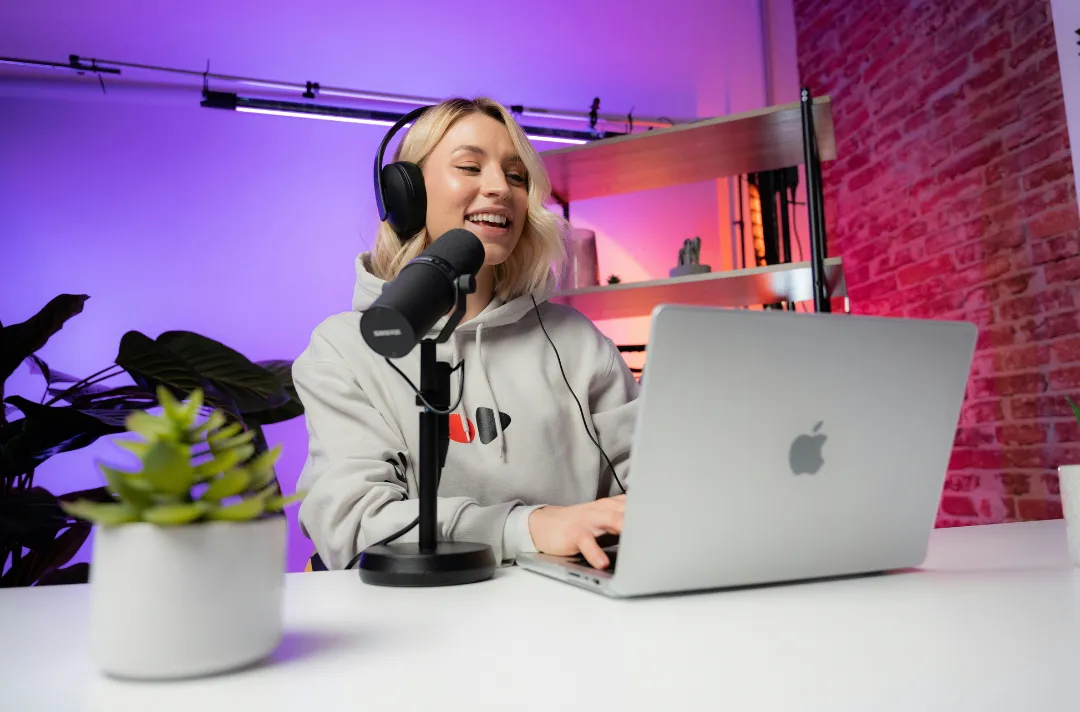
For a corporate podcast or video program specifically, the same logic applies directly: an internal team member fronting branded content works when the ownership, compensation, and metrics are decided in advance, the same groundwork that goes into deciding whether a podcast is the right content format for a brand at all.
Thinking about turning employees or internal experts into the face of a branded podcast or video series? Talk to Poddster about setting the program up properly from day one.









Join 5.1K podcasters, creators, and brands already producing, editing and growing their video content with the world's #1 podcast studio brand.