Get Started
Get Started


From August 24, YouTube counts a view from the first frame, not after real engagement. Here's what actually changed, why your public numbers will look bigger, and which metric to trust instead.


If your show's public YouTube numbers suddenly look better this week, don't pop the champagne yet. YouTube didn't get you more listeners - it changed the definition of a view.
Here's what actually happened, and what to look at instead if you want a real read on how an episode performed.
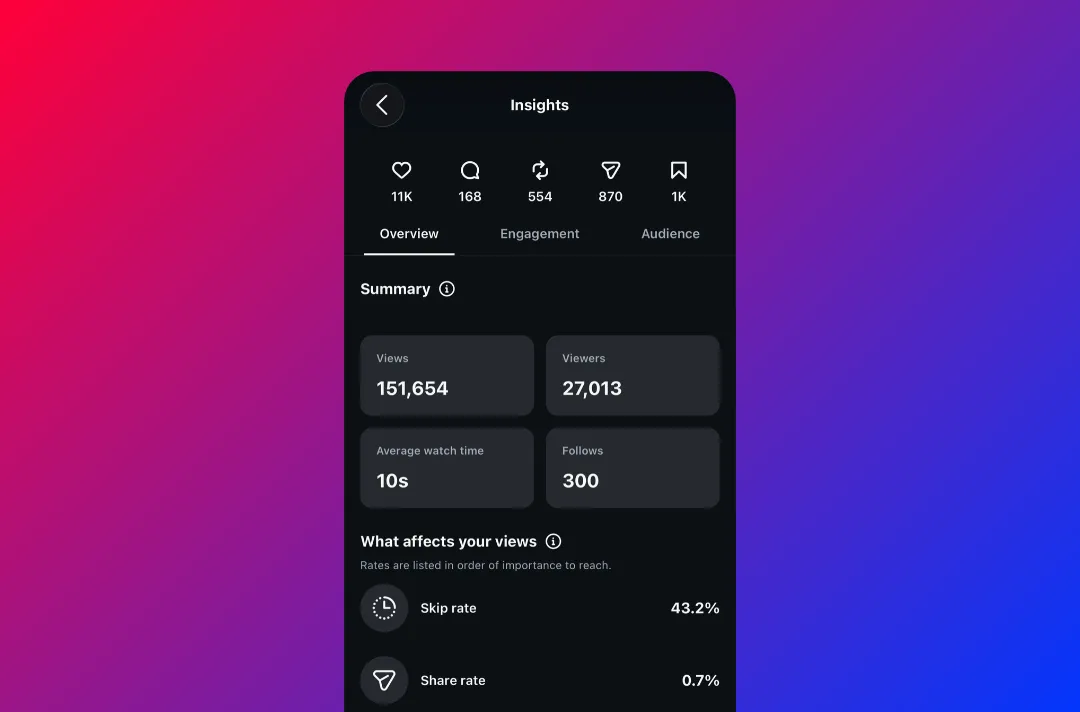
Starting August 24, 2026, YouTube counts a public view “the moment a video begins to play from the very first frame.” That applies across every format on the platform, including podcasts. Previously, YouTube used a less transparent internal threshold before a play counted as a view; the new rule brings YouTube in line with how TikTok and Instagram already count views, and matches a similar change YouTube made to Shorts back in March 2025.
In practice, this means a one-second autoplay preview can now register as a full view - something that wasn't true before.
This isn't the first time YouTube has made this exact move. It changed Shorts view counting the same way back in March 2025, registering a view whenever a Short started or replayed, with no minimum watch time required - and kept engaged views around as a separate, more meaningful number. That earlier change is a reasonable preview of what to expect here, with one caveat: people flick between Shorts far more casually than they commit to a long-form video or podcast episode, so there's more friction involved in starting and leaving a longer video. Don't assume long-form and podcast content will see the same size of bump Shorts did.
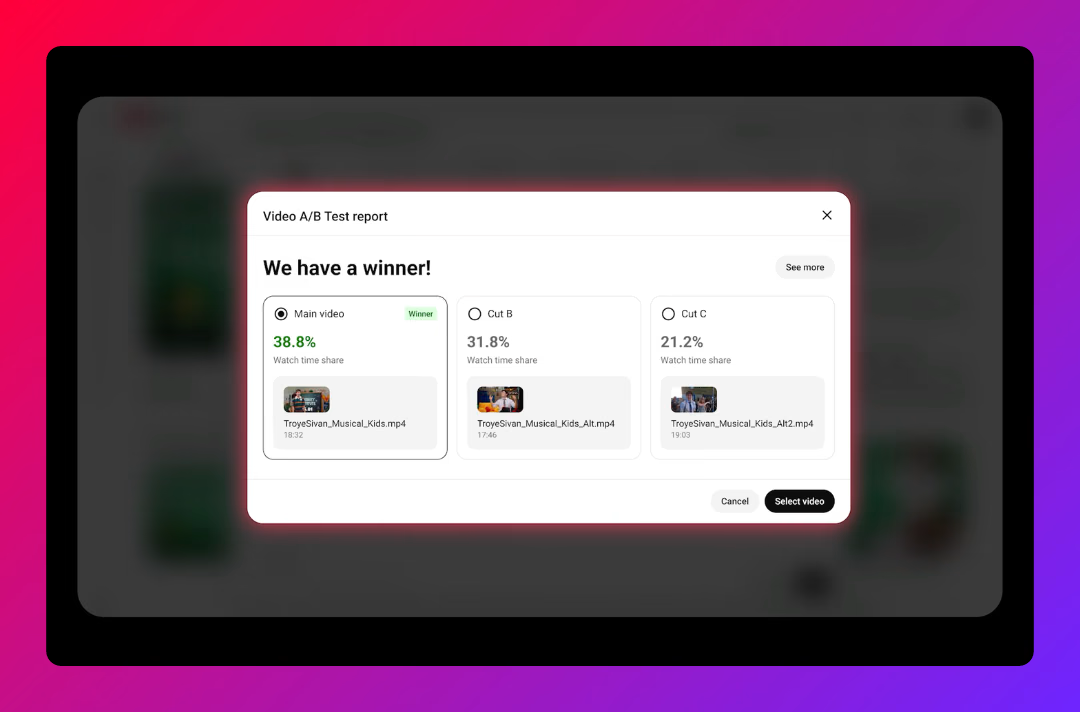
YouTube hasn't deleted the old, more meaningful metric - it's renamed it. What used to be a “view” is now called an “engaged view,” described by YouTube as counting when “viewers stayed to watch past the first frame and initial seconds.”
The two numbers genuinely diverge. An analysis of 300,000 YouTube podcast episodes found engaged views running about 7% lower than the new headline view count on average - and for some shows, the gap was far bigger than that. As the analysis put it: for some shows, this will be a rounding error; for others, it could be a real commercial event.
The bigger issue for anyone benchmarking a show isn't the new definition itself - it's what happened to the old one. Engaged views are still available, but only to the channel owner, inside YouTube Studio. They're no longer visible on public video pages, and they've been removed from YouTube's Public Data API entirely.
That means third-party ranking sites, competitor benchmarking tools, and anyone trying to size up a show from the outside now only have access to the more inflated, less meaningful public number. If you've been using public YouTube view counts to compare your show against competitors, that comparison just got noisier.
YouTube has been explicit that this is a display change, not a monetization one: creator earnings and YouTube Partner Program eligibility continue to run on engaged-view and watch-time metrics behind the scenes, not the new headline number. So a jump in public views this week shouldn't be mistaken for a jump in ad revenue.
Two practical takeaways. First, don't compare a video's view count from before August 24 with one from after and draw conclusions - you're no longer comparing like with like. Second, pull engaged views from YouTube Studio for any conversation that actually matters: reporting real performance to a client, deciding whether a format is working, or benchmarking one episode against another.
1. Set a benchmark before you need one.
Log your current engaged-view numbers now, before the change fully settles in, so you have a clean before-and-after reference point rather than trying to reconstruct one later.
2. Read public view counts as reach, not resonance.
Treat the new headline number as a rough measure of how many people's thumbs stopped scrolling, not how many people actually watched your episode.
3. Brief clients on the change before they ask.
If you report YouTube numbers to a client or stakeholder, get ahead of the “our views doubled overnight” conversation - explain the counting change before someone else notices the jump and assumes it's organic growth.
Public view counts just became a vanity number. Engaged views are still the metric that tells you whether anyone actually watched.
If you want a clear read on how your video podcast is genuinely performing - not just what the public counter says - Poddster can help you build reporting that looks past the headline number. Get in touch to talk through it.










Join 5.1K podcasters, creators, and brands already producing, editing and growing their video content with the world's #1 podcast studio brand.