Get Started
Get Started


Most branded podcasts that stall aren't failing because the content is bad. New 2026 research points to distribution and measurement as the real growth blockers.


If your brand's podcast has stalled, the instinct is to blame the content: the guests aren't big enough, the topics aren't interesting enough, the production isn't polished enough. Recent industry research on branded podcasts points somewhere else entirely: for most B2B shows, the real blocker isn't content quality at all - it's distribution and measurement.
It's a pattern that will sound familiar to a lot of marketing teams: a team records a strong episode, publishes it to the usual podcast platforms, and moves on to the next one - treating distribution as something that happens automatically once an episode goes live. It rarely does. Shows that treat distribution as an afterthought end up with episodes that no one beyond their existing followers ever sees. Shows that build distribution into the production workflow itself - repurposing each recording across social, newsletter, and blog before moving on to the next episode - get significantly more value out of the exact same time in the studio.
That distinction matters more than it sounds. It's the difference between publishing content and building a distribution system, and only one of those actually grows an audience.
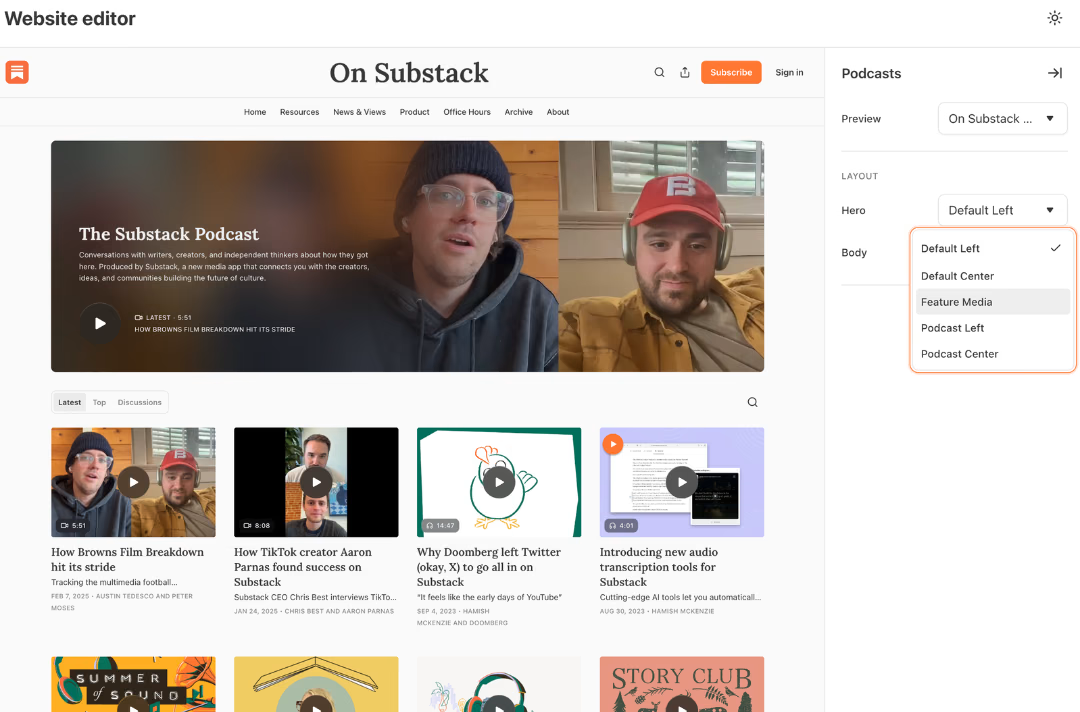
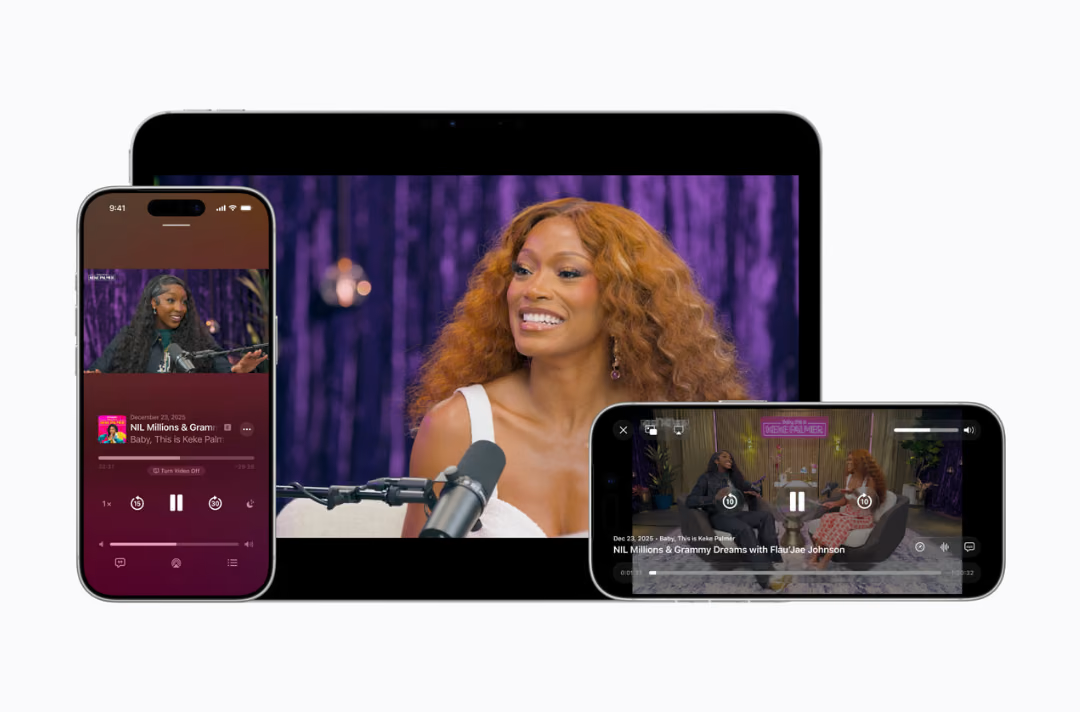
Recent research into how audiences discover branded podcasts found that 40% of listeners now say they discovered their favourite podcast on YouTube - more than double any other single discovery source. Podcast discovery has largely moved out of dedicated listening apps and into YouTube, social feeds, and search.
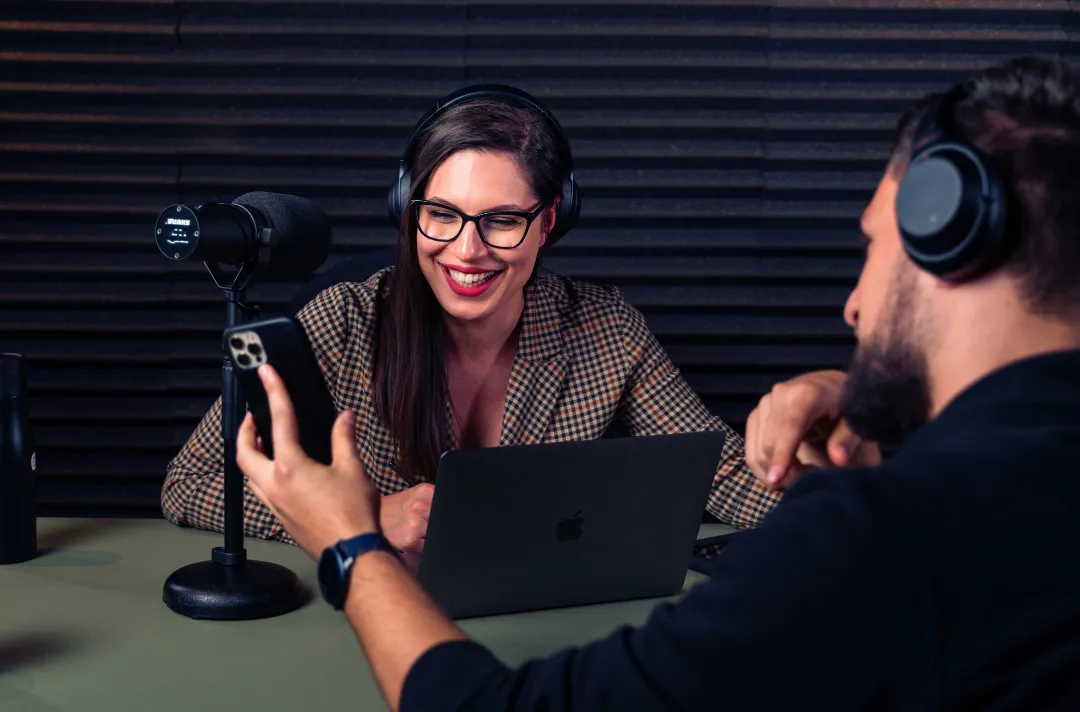
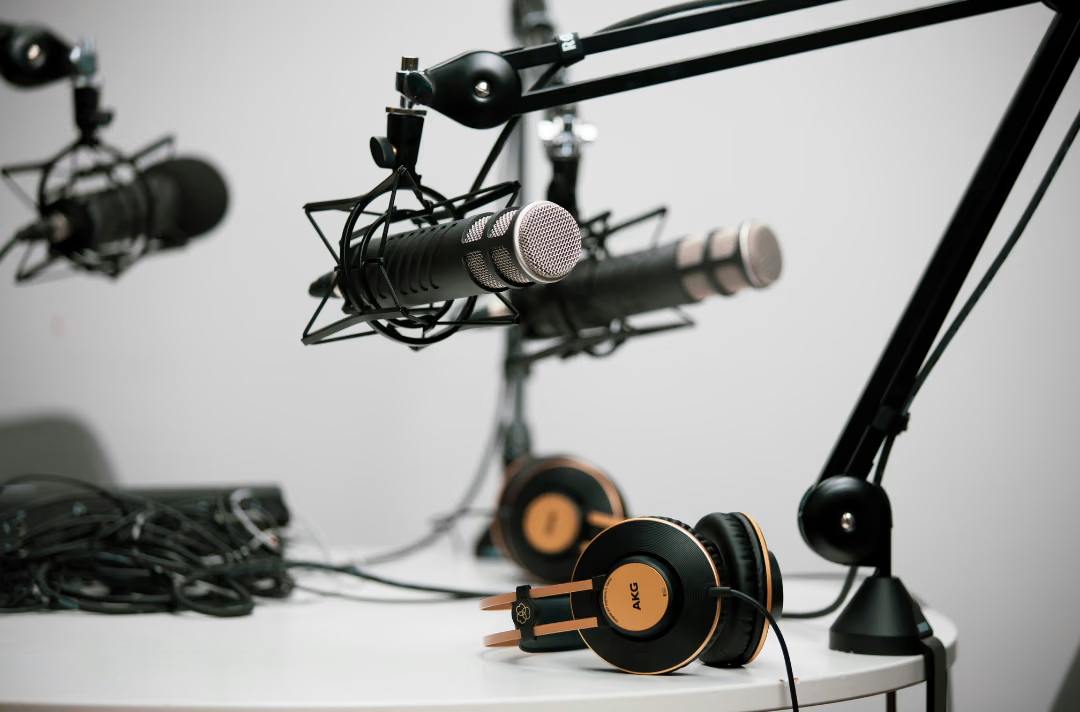
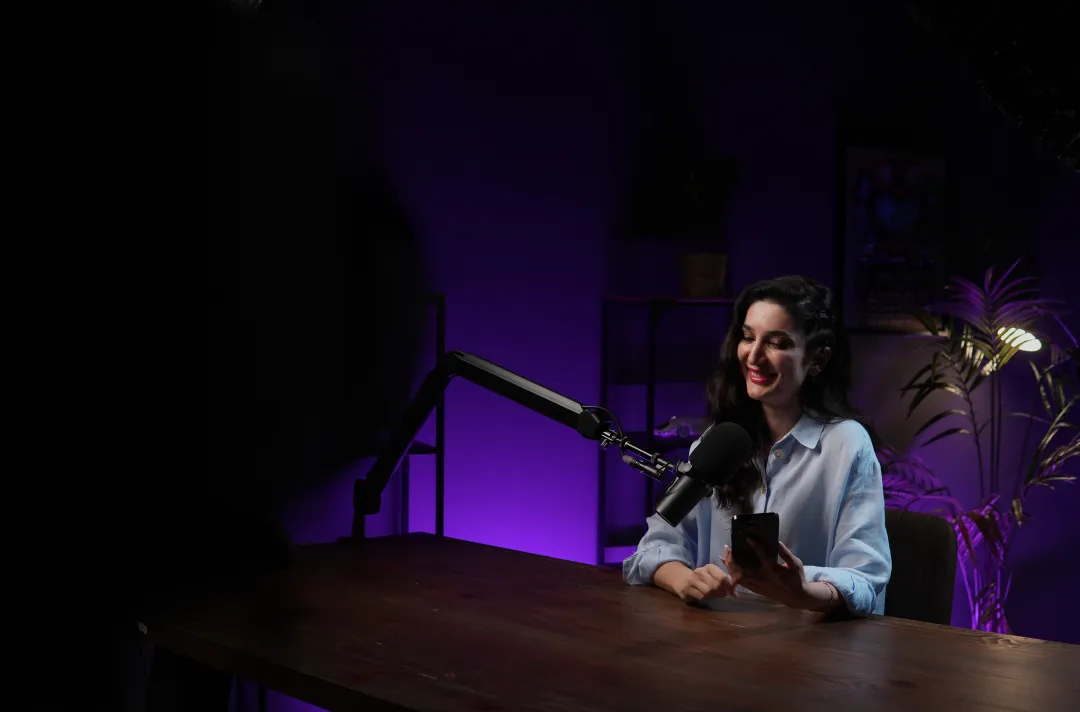
That has a direct implication for production, not just marketing: if you're recording a B2B podcast audio-only and simply uploading a waveform to YouTube, you're leaving your largest discovery channel half-built. The fix is straightforward - film the recording, even simply, so you have usable video and clips to work with, rather than treating video as an optional extra bolted on after the fact.
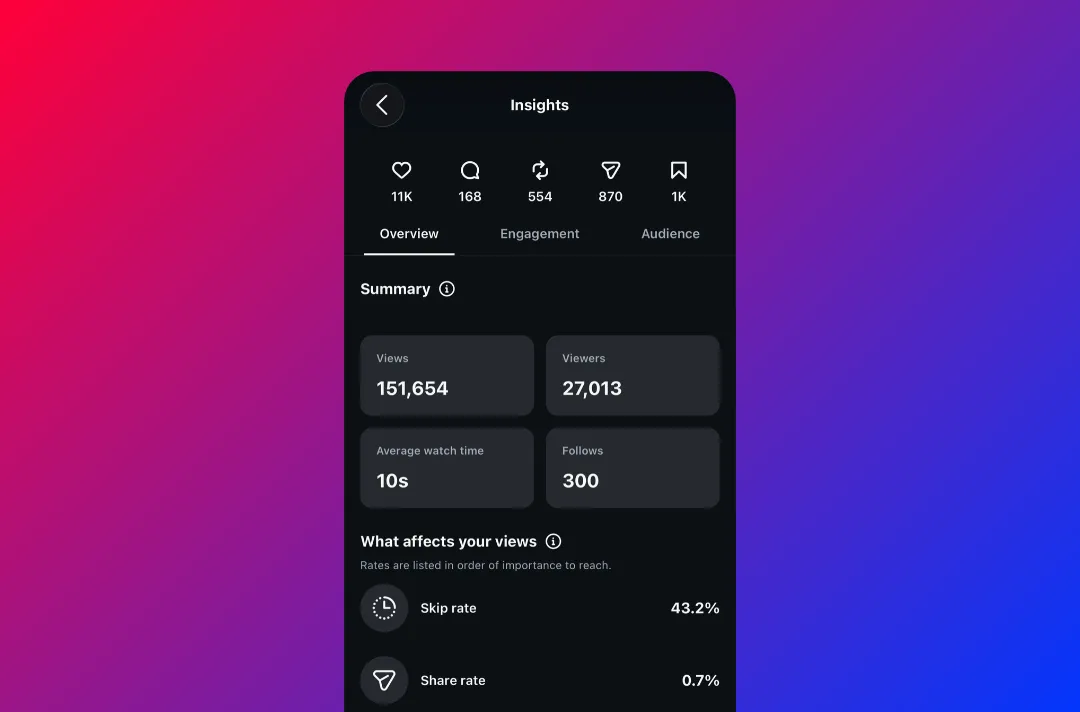
The second half of the growth blocker is measurement. Brands increasingly expect podcast performance to be reported the way the rest of their marketing stack is reported - audience quality, campaign attribution, and content insights that actually drive decisions - rather than a single raw download number that says nothing about who's listening or what happens after.
For a B2B show specifically, that means tracking whether the right audience - your actual ideal customer profile - is listening and showing up later in the sales pipeline, not just how many total downloads an episode got. A branded podcast can have modest download numbers and still be working extremely well, if the few thousand people listening are exactly the decision-makers the show was built to reach. Conversely, a large download number tells you almost nothing if none of those listeners were ever a fit for what the brand sells.
Downloads alone don't prove ROI for a corporate podcast. The better question at your next review is whether the right audience is listening and showing up in pipeline - not just how many people pressed play.
Before assuming a stalled B2B podcast needs better guests or slicker editing, it's worth auditing two things first: whether the show has an actual distribution plan built into production (video capture, clip repurposing across social, newsletter, and blog, not just an audio upload), and whether success is being measured against ICP reach and pipeline influence rather than raw downloads. Most branded podcasts that plateau, based on this pattern, are doing fine on content and falling short on exactly these two fronts.
Podcasting in 2026 isn't a volume game. It's a purpose game - brands that treat a podcast as a strategic channel with a real distribution system and audience-quality metrics behind it consistently outperform brands that treat it as a side project with downloads as the only scoreboard.
If you're weighing whether your brand's podcast strategy has the right distribution and measurement built in from the start, our step-by-step guide to podcast promotion is a good place to check your current approach against. Or get in touch with Poddster to talk through what a properly distributed, properly measured corporate podcast could look like for your brand.





Join 5.1K podcasters, creators, and brands already producing, editing and growing their video content with the world's #1 podcast studio brand.