Get Started
Get Started


Apple shared early growth data from three shows that added video to Apple Podcasts. Here's what the numbers actually show, and what it means for your show.
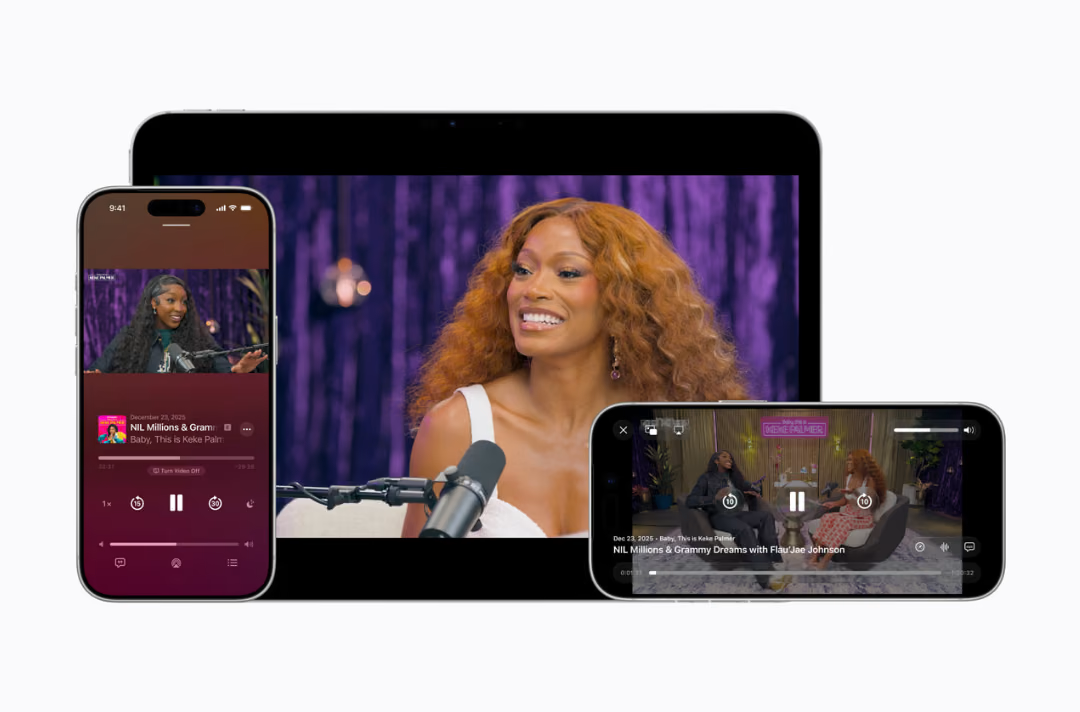
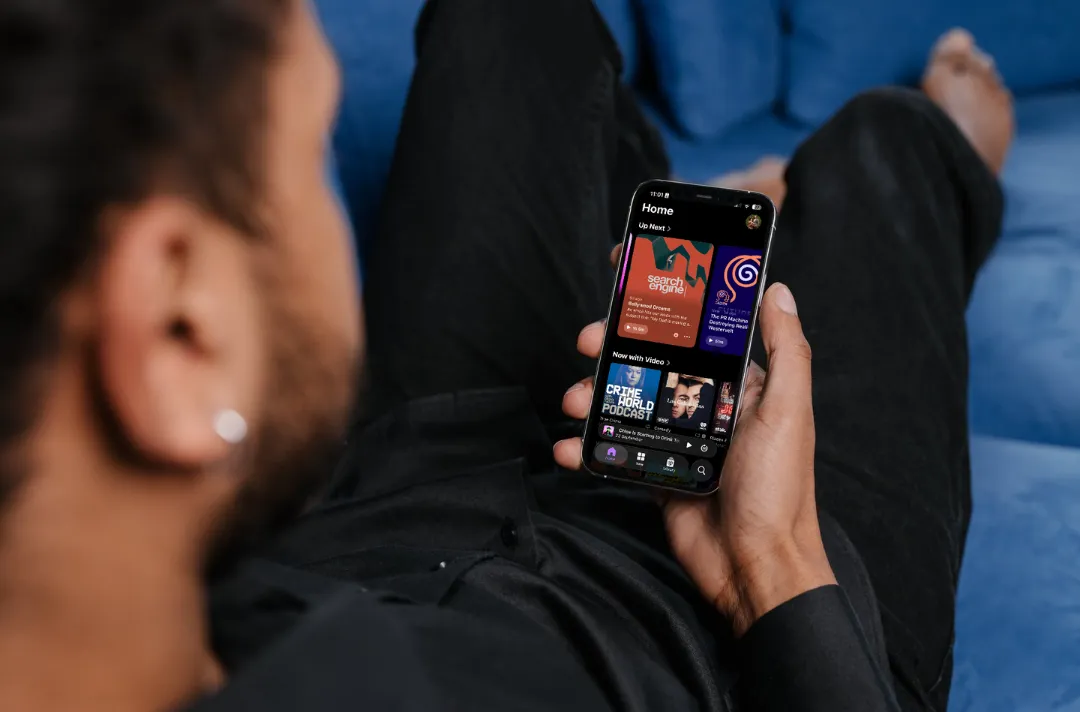
For most of video podcasting’s rise, Apple Podcasts has been the platform standing still. YouTube built its entire discovery engine around video. Spotify baked video into its player years ago. Apple, by comparison, kept shipping audio-first updates long after most listeners had stopped treating "podcast" as an audio-only word. That’s finally changing: Apple has been rolling out HLS video support to a small group of shows willing to test it early, and it just shared the first real growth numbers from three of them. The results are the closest thing the industry has to hard proof that video on Apple specifically - not just video in general - moves the needle.
Apple picked a deliberately varied set to test: a globally-known media brand, a radio-style call-in show, and a niche outdoors podcast. Different genres, different audiences, same feature.
TED’s "How to Be a Better Human" (distributed via Acast)
Unique audience on Apple Podcasts grew 93%, and new follows increased 113% after the show added video.
"Toni and Ryan" (distributed via Acast)
Unique audience grew by nearly 40%, with new follows up 68%.
The MeatEater Podcast (distributed via Omny Studio)
New follows jumped 151%. More strikingly, 32% of people who watched a video episode without already following the show went on to follow it within a week - video did the work of converting a casual watch into a subscription.
It’s tempting to read these numbers as simply "video works," which YouTube has already proven for years. What makes the Apple Podcasts results notable is where they happened. Per Cumulus Media, Westwood One, and Signal Hill Insights’ Spring 2026 Podcast Download report, YouTube is the most-used podcast platform for 44% of weekly podcast consumers, versus just 5% for Apple Podcasts - Apple has never been where podcast video happens. So this growth isn’t audience shifting from one video-friendly app to another. It’s new demand Apple simply wasn’t capable of delivering before, on an app most shows have only ever treated as an audio-only distribution point.
These three shows launched video through their existing hosts, Acast and Omny Studio, as part of Apple’s early beta. But Apple’s video push isn’t staying limited to a short list of hand-picked partners. Around the same time these results came out, podcast host RSS.com added its own HLS video support for Apple Podcasts, with automatic video ad monetization and no minimum audience threshold to qualify - a signal that Apple’s video ecosystem is opening up to podcasters of any size, not just shows with an existing distribution deal. For a platform that’s historically made video hard to access, that matters: the shows in this beta are an early look at what’s about to become available much more broadly.
If you’re already filming for YouTube, distributing that same video to Apple Podcasts via HLS costs you almost nothing extra - you already have the footage - and based on these early numbers, it isn’t redundant reach. It’s incremental reach Apple wasn’t offering before. If you’re not filming at all yet, this is one more concrete data point tipping the audio-versus-video decision toward video: it’s no longer just "video helps on YouTube," it’s "video now helps on the one major platform that historically didn’t need it."
A caveat worth taking seriously: three shows, self-selected as early adopters, testing a beta feature, isn’t a guarantee your show will see a 93% audience jump. What’s worth taking seriously is the pattern across all three very different shows - audience grew, follows grew, and video converted watchers into subscribers at a meaningfully higher rate than audio alone ever could.
If you’re weighing whether to add video to your show - on Apple Podcasts or anywhere else - book a free consultation with Poddster and we’ll help you work out whether it’s worth the investment for your specific audience.






Join 5.1K podcasters, creators, and brands already producing, editing and growing their video content with the world's #1 podcast studio brand.