Get Started
Get Started


A YouTube Studio experiment let a small number of brand channels see creators' audience data. It isn't a competitor-spying tool, but it shows where sponsorship is heading. Here's what podcast channels should know.
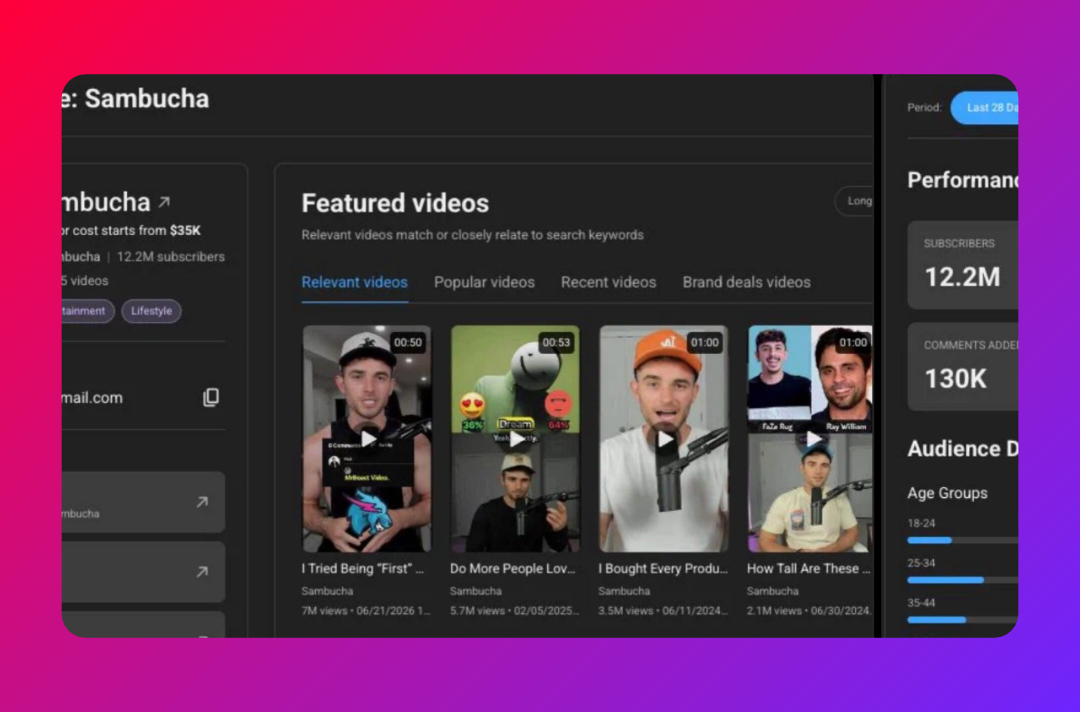
In early October 2026, a screenshot started circulating that seemed to show a new YouTube Studio feature letting creators look up other channels' private analytics, including watch time, audience demographics, and contact details. For podcasters with a YouTube presence, the obvious question was whether competitors could suddenly see your numbers. The answer, according to YouTube, is no. But the story behind it is still worth understanding.
The feature first surfaced in a post on X from creator growth platform vidIQ, showing a "creator discovery" hub in YouTube Studio that vidIQ said YouTube calls "Channel Search." The Publish Press then reported it as an invite-only tool showing engagement data such as comments, shares, and watch time; audience data such as unique viewers, age, gender, and top countries; and creator contact information. Videos could reportedly be sorted by relevance, recency, popularity, and sponsorship.
A day later, YouTube gave Tubefilter a fuller picture. According to Tubefilter's report:
So this isn't a tool for spying on rival podcasts. It's a test of how brands might find and assess creators directly inside YouTube.
The real story isn't creators seeing each other's numbers. It's brands vetting your channel with YouTube's own data.
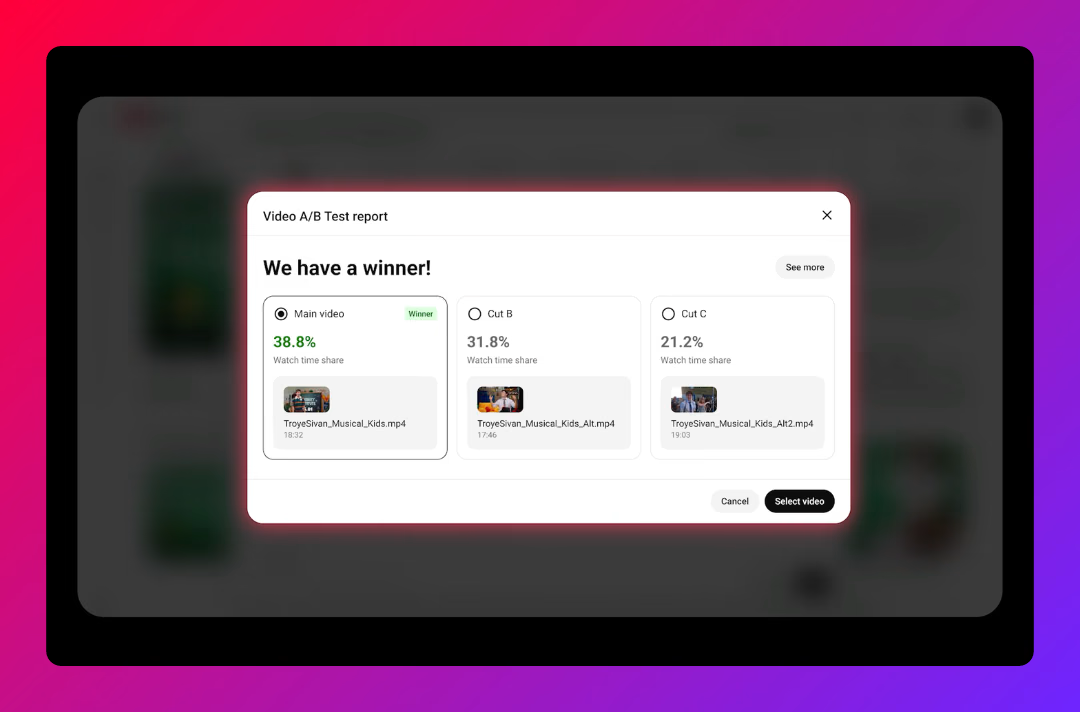
This test fits a clear pattern. In March 2026, YouTube relaunched its brand partnership programme as YouTube Creator Partnerships (formerly BrandConnect), available in YouTube Studio for creators and in Google Ads and Display & Video 360 for advertisers. YouTube said creators can opt to share more about their channels with brands, and that creators who shared channel insights were surfaced 60% more in search results.
At Made on YouTube in September 2026, it went further. Creator Partnerships is now available in 20 countries, creators can share brand partner access to a video's performance using a one-click code, and YouTube is testing "dynamic brand segments" that insert sponsor segments into up to 20 long-form videos at once.
Put together, YouTube is steadily building a system where brands search for creators, check their audiences, and run deals without leaving the platform. That's a shift for podcasters who have traditionally sold sponsorships through agencies, media kits, and screenshots of analytics. It also fits a wider push by creators towards more formal arrangements, like the upfront deals some are now trying to negotiate.
Read more: Ronaldo has 83M subscribers. A Bollywood director's channel still beats him on views. Here's why.
1. Decide what you're willing to share
If you want sponsors, sharing audience insights through Creator Partnerships may make your channel easier to find. Decide which metrics you're comfortable sharing, and check the settings in YouTube Studio rather than leaving them to chance.
2. Make sure your numbers tell an honest story
Brands that can see real data will spot inflated numbers. Since August 2026, YouTube's public view counts start from the very first frame, so they can look much higher than your engaged views. Many podcast ad buyers now focus on engaged views, so lead with those when you pitch.
3. Tidy your channel and contact details
If brands are browsing channels inside YouTube, your channel page is your media kit. Make sure your description says clearly who the show is for, your business contact email is current, and your playlists are organised.
4. Disclose sponsorships properly
Reports suggest videos may be sortable by sponsorship. Using YouTube's paid promotion disclosure consistently keeps your sponsorship history accurate and visible to brands considering a deal.
5. Learn the metrics sponsors will see
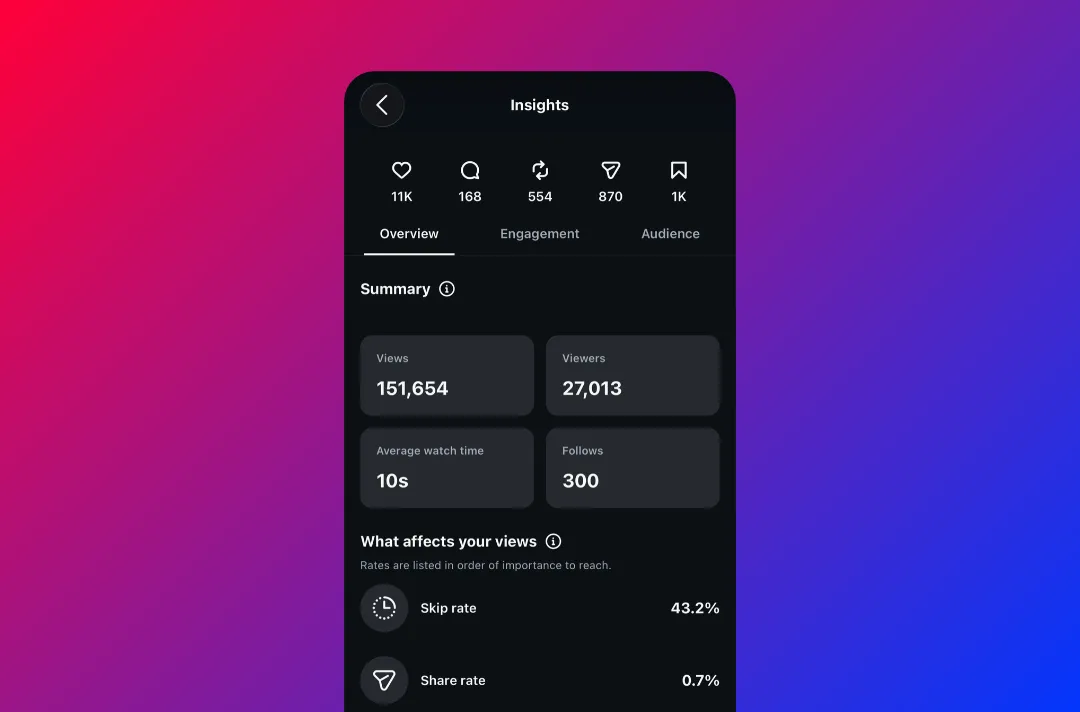
As more of the deal process happens inside YouTube, the platform's own metrics carry more weight in brand deals. Get familiar with what each one means before a sponsor asks.
If you're a brand with a podcast channel, there's a second angle. These same tools are how you might find creators to collaborate with, from guest appearances to co-produced episodes. Knowing how YouTube's partnership system works helps you on both sides of the deal.
If you'd like help preparing your podcast's YouTube channel for sponsors, or finding the right creators to partner with, talk to Poddster.


Join 5.1K podcasters, creators, and brands already producing, editing and growing their video content with the world's #1 podcast studio brand.