Get Started
Get Started


Triton Digital's 4th annual report found 80% of podcast listeners use both audio and video, and only 7% are video-only. Here's why that makes audio-only shows, not video-first ones, the format actually at risk.


It's easy to read Triton Digital's newest US Podcast Report and conclude video doesn't matter as much as the industry claims. Only 7% of listeners watch podcasts exclusively on video, after all, and audio-only listeners still outnumber them nearly two to one. That reading gets the data backwards. The real story in these numbers is that video-first shows aren't losing anyone by adding video, while audio-only shows are the ones quietly capping their own reach.
Based on IAB Tech Lab-certified measurement and a survey of more than 12,000 monthly US podcast listeners, Triton's report found podcasting now reaches 53% of the US population each month, its first time crossing the halfway mark. Within that audience, 13% listen audio-only, 7% watch video-only, and 80% move between both. Treated as a referendum on whether video matters, that 80% figure looks like proof that most people don't care about video. Treated as what it actually describes, a single piece of content working in two formats at once, it says the opposite: the overwhelming majority of the audience is available to a show through either format, on whichever one fits the moment.
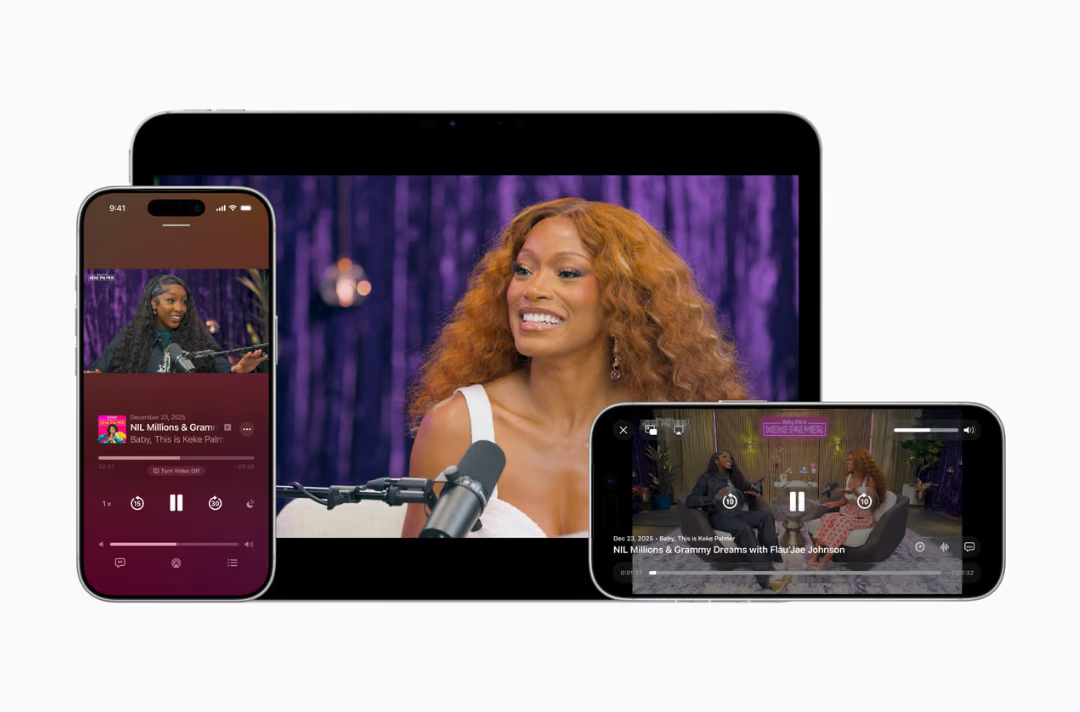
A video podcast doesn't ask anything of a listener that an audio one does. Someone commuting, doing chores, working at a desk, or playing a video game can put a video episode on and get exactly the same experience an audio-only version would have given them, because they're listening, not watching. That's most of what the 80% figure is actually capturing: not a sudden mass conversion to watching podcasts, but a large audience choosing to watch when it's convenient and listen when it isn't, on the same show, without ever feeling like they've switched products.
That asymmetry is the part worth sitting with. A video-first show loses nothing from listeners who only ever play it in the background. An audio-only show, by definition, can never capture the portion of its audience that would have watched if given the option, whether that's someone who wants a second screen on their TV, a clip worth watching for a facial reaction, or simply a viewer who prefers video by default. Video-first doesn't cost a show its audio audience. Audio-only forecloses the video one entirely, permanently, by design.
None of this means every show needs to become video-first tomorrow. Triton's genre breakdown is real and worth taking seriously: Science (58%), History (56%), Fiction (54%), Arts (51%), and True Crime (50%) all skew heavily toward audio-only consumption, while Music (34%), Sports (32%), Kids & Family (31%), Comedy (30%), and News (30%) skew far more toward video. A narrative, interview-driven show built in the mold of legacy audio journalism, the kind of format shows like Search Engine or Hyperfixed represent, has a genuinely different relationship with its audience than a comedy panel or a reaction show does. For those formats, staying audio-only isn't a gap. It's a reasonable match between the content and how people actually want to consume it.
The distinction that actually matters is between a legacy-style show correctly staying audio-only because video wouldn't add anything, and a show quietly staying audio-only by default, not because the format calls for it, but because nobody made the case for adding video. The first is a deliberate choice. The second is the actual risk in this data, and it's a much larger group than the genre breakdown alone suggests, since a huge share of first-year podcast listeners now arrive through YouTube and social discovery rather than a dedicated podcast app, and none of that traffic is reachable without a video file to find in the first place.
1. Ask whether your format is genuinely legacy-style, or just historically audio-only
A narrative or interview show built around voice and pacing may not need video. A show that's simply never added it, regardless of genre fit, is a different situation and worth a real look.
2. Don't treat a video file as a threat to your audio numbers
Adding video doesn't convert existing audio listeners into video-only ones. It gives the same audience an additional way to engage, and gives you a shot at the audience that would never have found or stuck with an audio-only feed.
3. Weigh the cost of production against the audience you're currently unable to reach at all
An audio-only show isn't losing existing listeners by staying audio-only, but it is permanently capped against everyone who defaults to video first, including a large share of newer, younger listeners arriving through platforms built around it.
The headline version of Triton's report says video isn't taking over podcasting. The more useful version says video-first shows keep their entire audio audience and add to it, while audio-only shows keep exactly what they have and nothing more. That's not an argument against staying audio-only for the shows where it genuinely fits. It's a reason to be honest about which category your show is actually in before assuming audio-only is a safe default.
Not sure whether your show's format genuinely calls for staying audio-only, or whether you're leaving a reachable audience on the table? Talk to Poddster about building a content strategy grounded in your show's actual audience data.





Join 5.1K podcasters, creators, and brands already producing, editing and growing their video content with the world's #1 podcast studio brand.