Get Started
Get Started


Spotify, YouTube, Apple, and the IAB all count podcast audiences differently, and two of those definitions changed this year. Here's a plain-English guide to which number means what.


If you report podcast numbers to a boss, a client, or a sponsor, 2026 has made your job harder. Two of the biggest platforms changed how they count audiences this year, in opposite directions. Spotify made its definition stricter. YouTube made its public number looser. And the industry's measurement firms are now adjusting how they rank shows as a result.
Here's what changed, and a plain-English guide to what each of your numbers actually means.
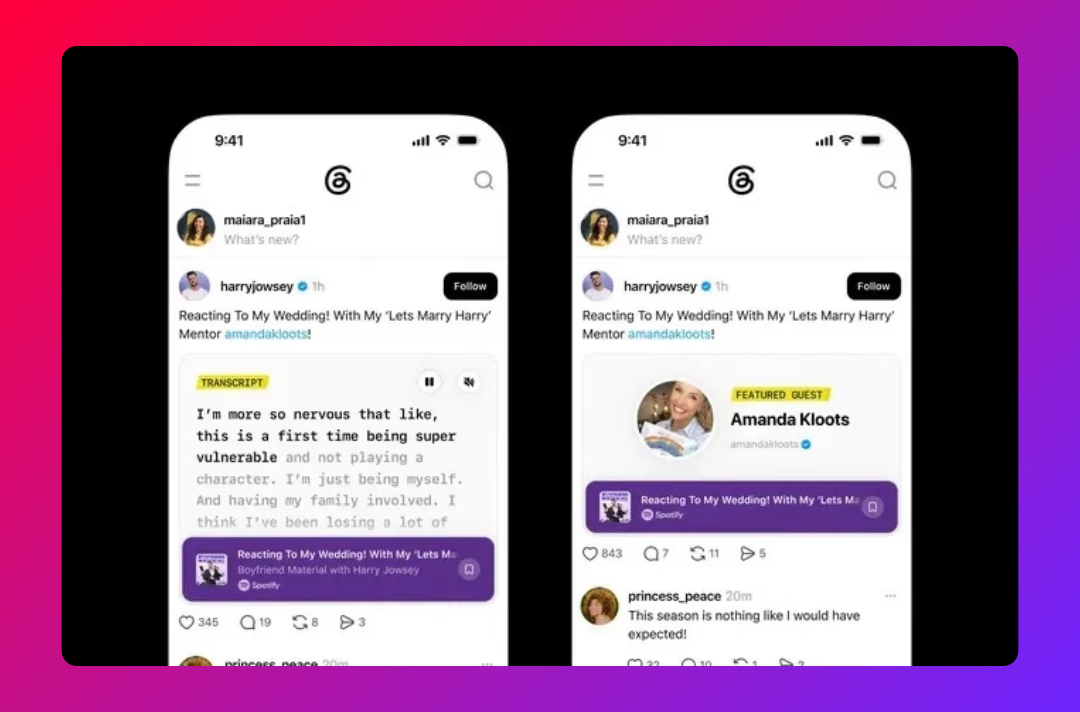
On June 11, 2026, Spotify announced that a podcast play now counts only when an episode is "watched or listened to for at least thirty seconds." The definition covers both audio and video, and it shows up in Spotify for Creators analytics. Spotify said its data helped shape the 30-second "Podcast Play" definition developed by the Alliance for Measurement in Podcasting.
Podcast analytics company Podscribe has now adopted Spotify's new plays standard in its latest industry rankings. If your Spotify numbers look a little lower than you expected, this is likely why. It doesn't mean you lost listeners. It means quick skips no longer count.
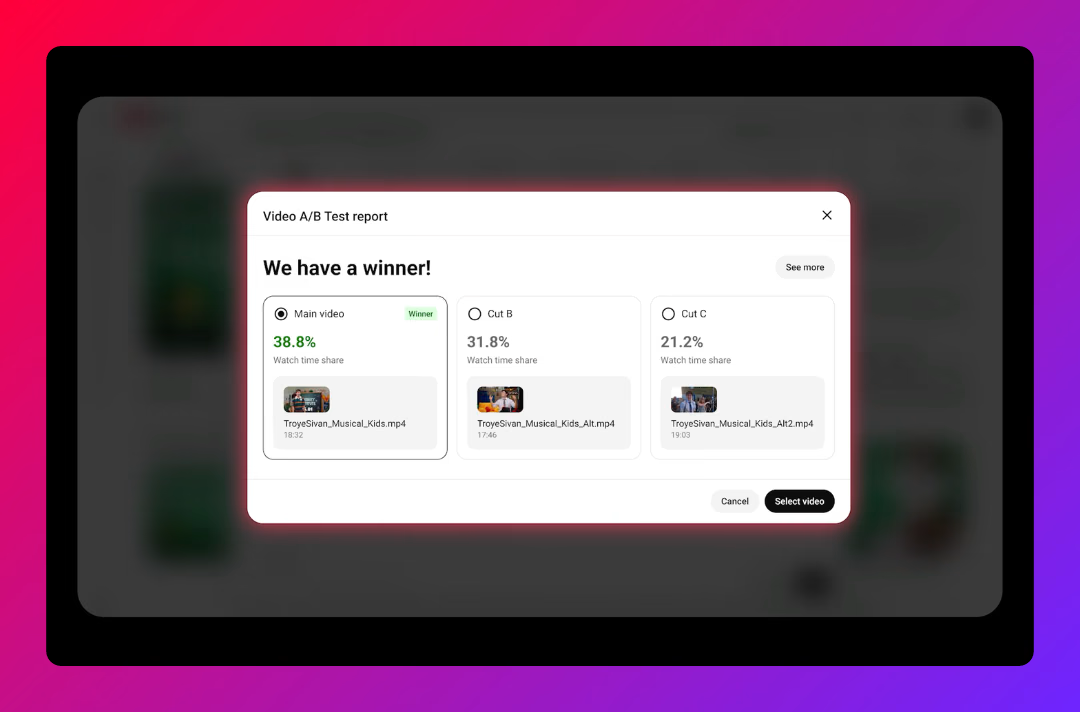
YouTube moved the other way. From August 24, 2026, its public view count registers a view the moment a video starts playing, from the very first frame. The older, stricter measure is now called "engaged views," and only the channel owner can see it in YouTube Analytics.
That made public view counts look much bigger overnight. We covered the details when YouTube changed how it counts views. Podtrac's sample of 84.2 million views on YouTube podcast channels found engaged views were 64% of public views for podcast episodes, so roughly a third of the public number was views that didn't really engage.
The industry responded quickly. In September 2026, three major podcast ad agencies, ADOPTER Media, Right Side Up, and Oxford Road, said they will buy YouTube podcast inventory only on engaged views.
Your Spotify numbers may look smaller and your YouTube numbers bigger. Your audience didn't change. The rulers did.
Because each of these measures something different, adding them together into one "total audience" number is misleading. Report them side by side, labelled clearly.
Read more: Your YouTube views are up. Your watch time isn't. Here's why.
There's one practical step every podcast with a YouTube channel should take. Podscribe now reports exact engaged views for shows that link their YouTube Analytics. For shows that don't, it estimates engaged views at 39% of the public view count.
That estimate may undercount you. Podtrac's measured sample found engaged views closer to 64% of public views for podcast episodes. If you leave your analytics unlinked, sponsors and rankings could be working from a much lower number than your real one. Linking your accounts lets your actual figures speak for themselves.
1. Pick a consistent set of metrics
Choose the numbers you'll report every month, such as downloads, Spotify plays, YouTube engaged views, and average watch or listen time, and stick with them so trends mean something.
2. Note the definition changes
If you're comparing this year to last, flag that Spotify's play definition changed in June and YouTube's public views in August. Otherwise a stakeholder may read a measurement change as a real gain or loss.
3. Lead with engagement, not just reach
Watch time, completion rates, follows, and actions taken after listening tell you more about whether a show works than any single audience count. This is the heart of good measurement for any podcast with a business goal.
4. Be ready for sponsor questions
If you sell sponsorships, expect buyers to ask for engaged views and 30-second plays. Have them ready, along with an explanation of how you count. It's the same transparency sponsors now expect around newer metrics like YouTube's co-views.
If you'd like help setting up podcast reporting that your stakeholders can trust, get in touch with the Poddster team.






Join 5.1K podcasters, creators, and brands already producing, editing and growing their video content with the world's #1 podcast studio brand.