Get Started
Get Started


Several studies show LinkedIn posts reaching far fewer people than they used to. But LinkedIn hasn't stopped rewarding content, it's changed what it rewards. Here's what that means for B2B brands and podcast clips.

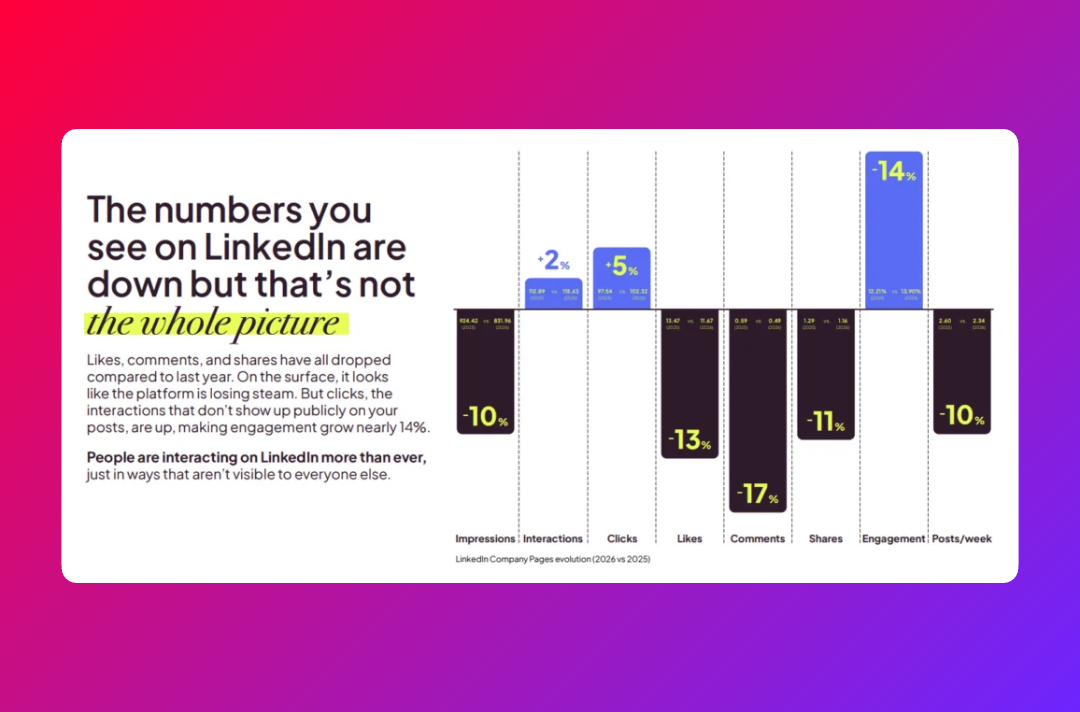
If your LinkedIn posts are reaching fewer people than they did a year or two ago, you're in good company. Creators, marketers, and executives have all been comparing notes on falling impressions. The question worth asking isn't whether reach has dropped. It's what LinkedIn is rewarding instead, and how to build a B2B content plan around that.
It depends on whose data you look at, which is worth knowing before you panic about your own numbers.
So reach is down, sometimes sharply, especially for individual creators. But it isn't falling evenly, and engagement from the people who do see your posts can go up at the same time.
In March 2026, LinkedIn's engineering team described a rebuilt feed that uses large language models to understand what a post is actually about and match it to people who care about that topic. The aim, in LinkedIn's framing, is pertinence over popularity, with less room for repetitive and engagement-bait posts.
LinkedIn has also been testing a "Network" tab that shows only posts from people you're connected to or follow, and it has stepped up its fight against generic AI-written posts. Taken together, the platform is clearly moving away from rewarding whoever can generate the most impressions.
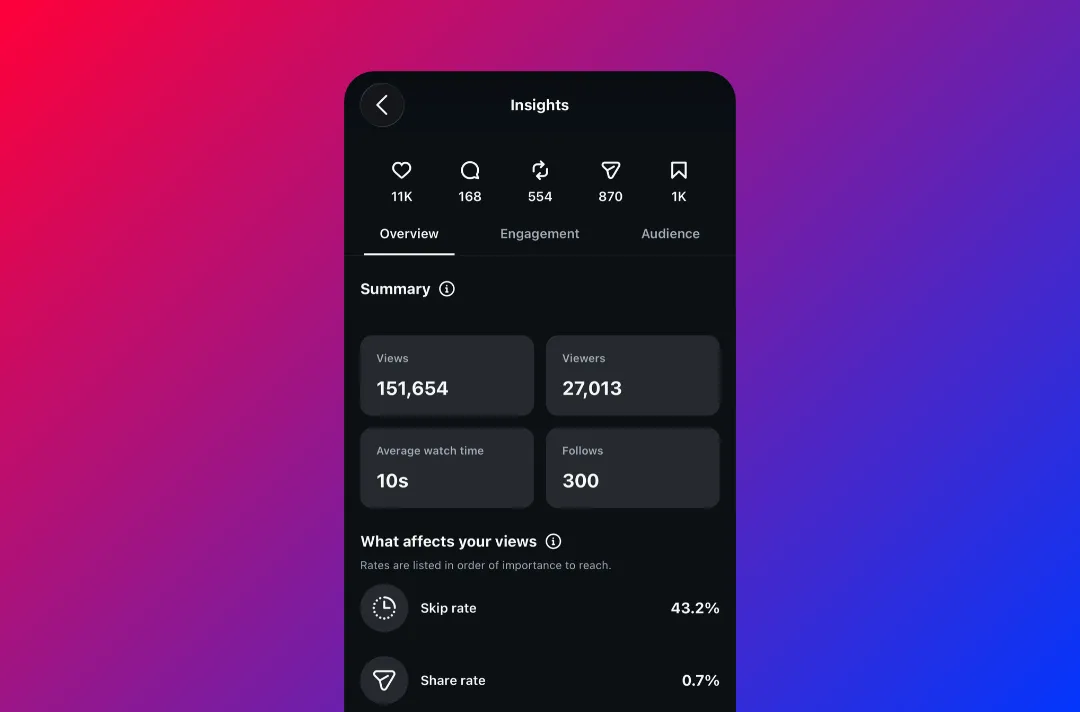
A post that reaches fewer people but gets saved by the right ones is doing more for your business than one that's scrolled past by thousands.
Marketing tools have started to say this plainly. Social media management platform Agorapulse, for example, now describes likes and impressions as mostly vanity metrics, and points to saves, sends, and thoughtful comments as the real signals of value. That matches how a relevance-based feed works.
1. Saves
A save means someone wants to come back to your post. It's one of the clearest signs that you've shared something useful rather than just something easy to like.
2. Comments with substance
A few genuine questions or disagreements from people in your target market are worth more than dozens of "Great post!" replies.
3. Shares and sends
When someone forwards your post to a colleague, it's reaching a buyer through a recommendation they trust.
4. Who is engaging
Check whether the people interacting with your posts actually match your customer profile. Lower reach among the right job titles beats high reach among the wrong ones.
Read more: Stop judging your podcast clips by view count alone
There's another reason not to chase viral reach. LinkedIn shared research in September 2026, based on Factors.ai's analysis of more than 50,000 closed deals, showing that B2B buying groups start researching around 124 days before they ever contact a seller. The same research found that combining paid ads with organic posting was linked to 2.4 times higher win rates.
That four-month research window is where trust gets built. Buyers are reading, watching, and listening long before they book a call. A single viral post rarely moves them. A steady stream of useful, expert content from the same people, week after week, often does.
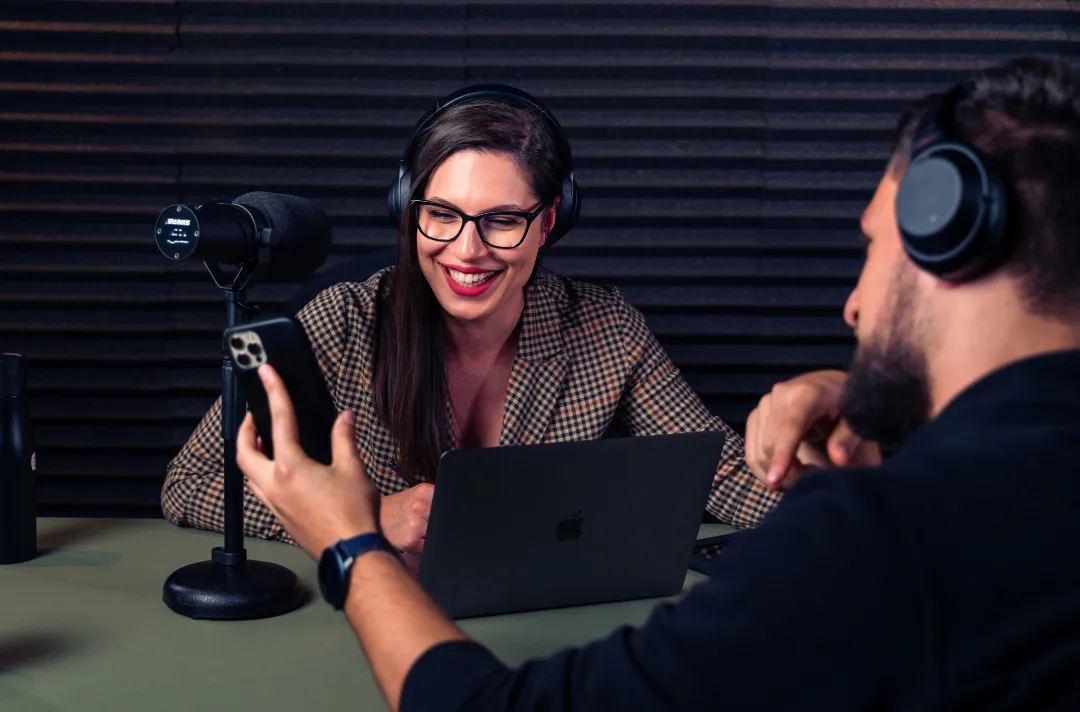
A B2B podcast is one of the most efficient ways to feed that kind of steady presence. One recorded conversation with an expert can become several LinkedIn clips, a written post built around the strongest idea, and a longer piece for a companion newsletter. Every piece carries a real voice and a real point of view, which is exactly what a relevance-focused feed is designed to surface.
The aim isn't to win back the reach of 2023. It's to show up consistently in front of the right people with something worth saving.
If you'd like help building a LinkedIn content engine around your experts' voices, get in touch with Poddster.






Join 5.1K podcasters, creators, and brands already producing, editing and growing their video content with the world's #1 podcast studio brand.