Get Started
Get Started


New research suggests podcast fans are already reaching out to each other. Here is the difference between an audience and a community, and how to start small without launching a ghost town.
"You should build a community" may be the most common advice in podcasting, and one of the least helpful. Plenty of shows have opened a Discord or Facebook group, posted three times, and watched it go quiet.
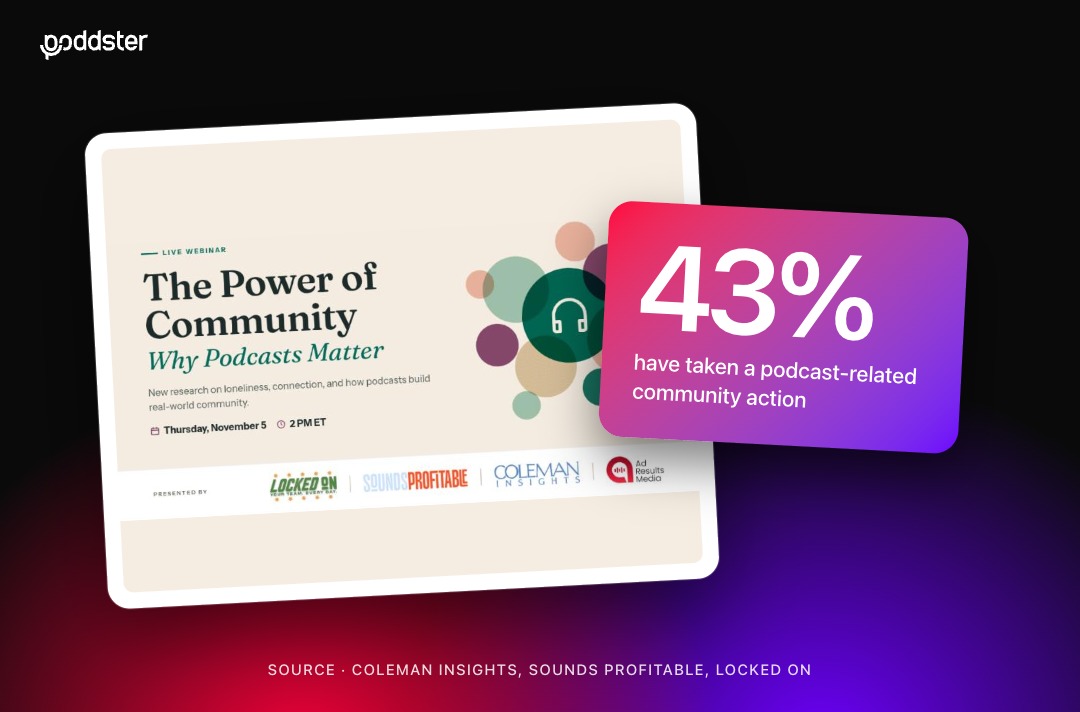
The appetite seems real, though. New research from Sounds Profitable, Coleman Insights and Locked On Podcast Network, among 2,000 Americans, found that 43% of podcast consumers have taken a podcast-related community action, from chatting with other listeners to attending a live show. Roughly half say podcasts keep them company when they don't have people around.
So people want connection. The hard part is giving them somewhere worth showing up.
An audience listens to you. A community also talks to each other.
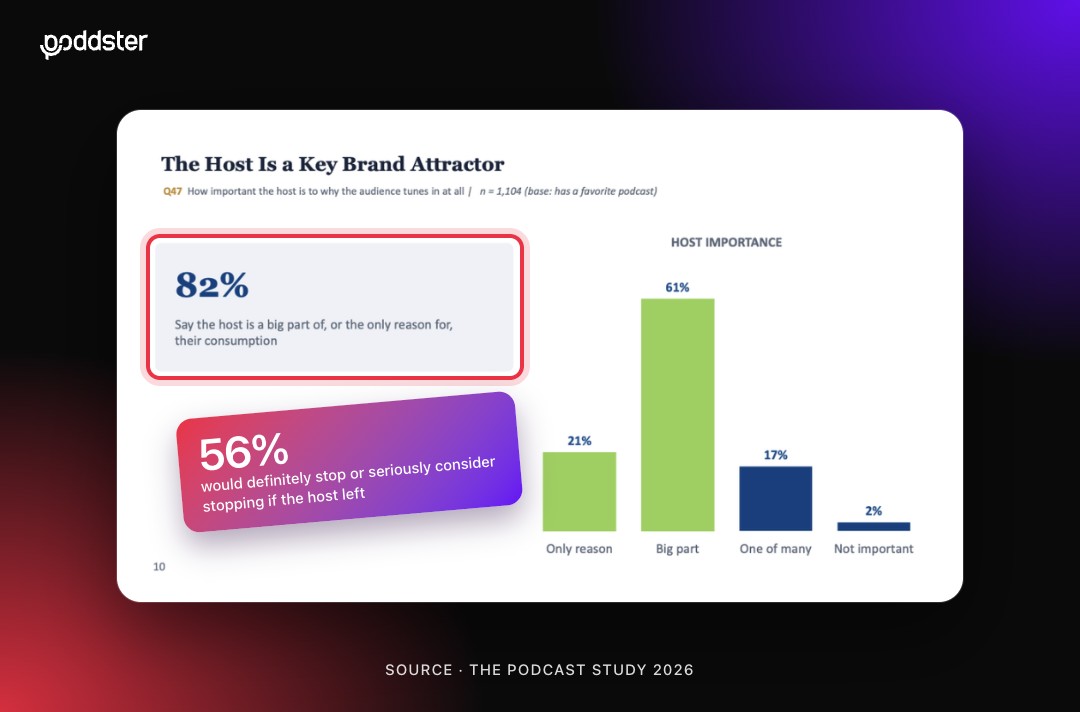
You probably already know the first half. Hosts build real bonds, and that's why the host is often the reason people keep listening. But a fan's connection with a host doesn't automatically make them want to meet other fans. That takes a shared reason to be there.
In a recent Captivate write-up on this subject, consultant Seth Resler describes audience and community as "two different business models". That's a helpful way to look at it. A community costs time every week. Before you start one, decide what it's for.
Read more: Listeners don't think podcasters are influencers. But most say one has changed their mind.
1. Start with a small group
Don't announce a community to everyone. Pick 10 to 20 listeners you already know: people who reply to your emails, leave comments or turn up at events. A small, active group looks far better to a newcomer than 500 silent members.
2. Ask before you build
Have a real conversation about what they want. Do they want to swap advice, meet in person or get closer to the show? The answers will shape everything after this.
3. Build it with them
Resler's advice is worth keeping: "Don't go build a community space for your members. What you really need to do is build a space with your members." Give your first members roles and let them shape the rules.
4. Invite people one by one
An announcement goes out to everyone and asks nothing of anyone in particular. A personal note says you thought of them. That doesn't scale, and in the early days it shouldn't.
5. Choose a focus and protect it
Narrow communities are easier to join and easier to run. Steve Stewart's Podcast Editors Club, for example, keeps its discussion tightly on podcast editing. Decide what's on topic, then enforce it kindly.
6. Pick the platform last
Discord, Slack, Circle, Mighty Networks and Facebook all work for someone. Pick the one your first members already use or are happy to use. A clever platform nobody opens won't help.
Community doesn't have to mean a forum. An email list that invites replies counts as a start, which is one more reason your podcast needs a companion newsletter. So does a meetup. Live events are a strong way to help fans meet each other, and they can start as a coffee in one city.
There can be. Resler points to the show Sober Powered, where ads were about a third of revenue and its Circle community almost half. That's one example, and it's from a topic where people have strong reasons to support each other. Don't treat it as a forecast.
For brands, the payoff usually looks different. A community of customers or peers can give you guest ideas, honest feedback and warm relationships. It also needs a clear owner on your team, because a neglected community reflects badly on the brand.
This week, write to five listeners and ask them what they'd want from other people who love the show. You'll learn more from those replies than from any platform comparison.
Want to build a stronger relationship with your listeners? Talk to the Poddster team.







Join 5.1K podcasters, creators, and brands already producing, editing and growing their video content with the world's #1 podcast studio brand.