Get Started
Get Started


Copied feeds and hijacked hosting accounts are now a real risk for podcasts. Here is how it happens, and six steps that make your show much harder to steal.


Most podcasters worry about getting found. Very few worry about getting copied. Two recent stories from Podnews show why every show, especially a branded one, should think about both.
In one, a podcaster's hosting account was hacked and his show kept publishing without him. In the other, Podnews found more than a thousand podcasts that had been copied wholesale onto a hosting platform, some of them able to earn ad revenue. Neither needed any special skill to pull off.
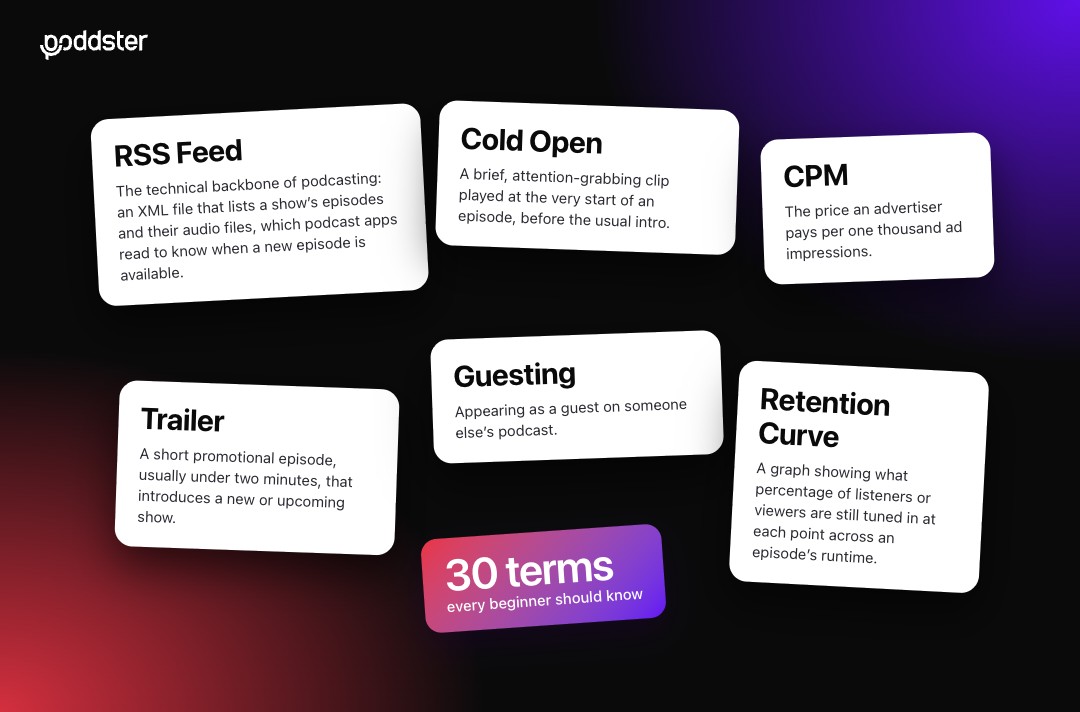
Feed copying. Every podcast has a public RSS feed: the file apps read to find your episodes. Some hosting platforms let a user import a show simply by pasting in a feed address. On October 27, Podnews reported that it had found 1,778 podcasts copied into one hosting platform this way, including well-known shows, and that the import tool copied the audio and episode details without notifying the original producer. Podnews also says its own test copy was approved for monetization within hours.
The podcaster Lisa Lacy described what this looks like from the inside in a piece for Podnews:
"Within five days, an unauthorized copy of my podcast had appeared across multiple platforms." Lisa Lacy, host of Notes From the Edge
Account hijacking. The second story is more personal. As reported by the podcast Hyperfixed and summarized by Podnews, Sanderson Jones had stopped making his podcast. Then someone hacked his podcast account, moved the show to a new host, cloned his voice and carried on publishing episodes. The copy earned $1,293 before the new host paid that money to Jones and helped return the show to him.
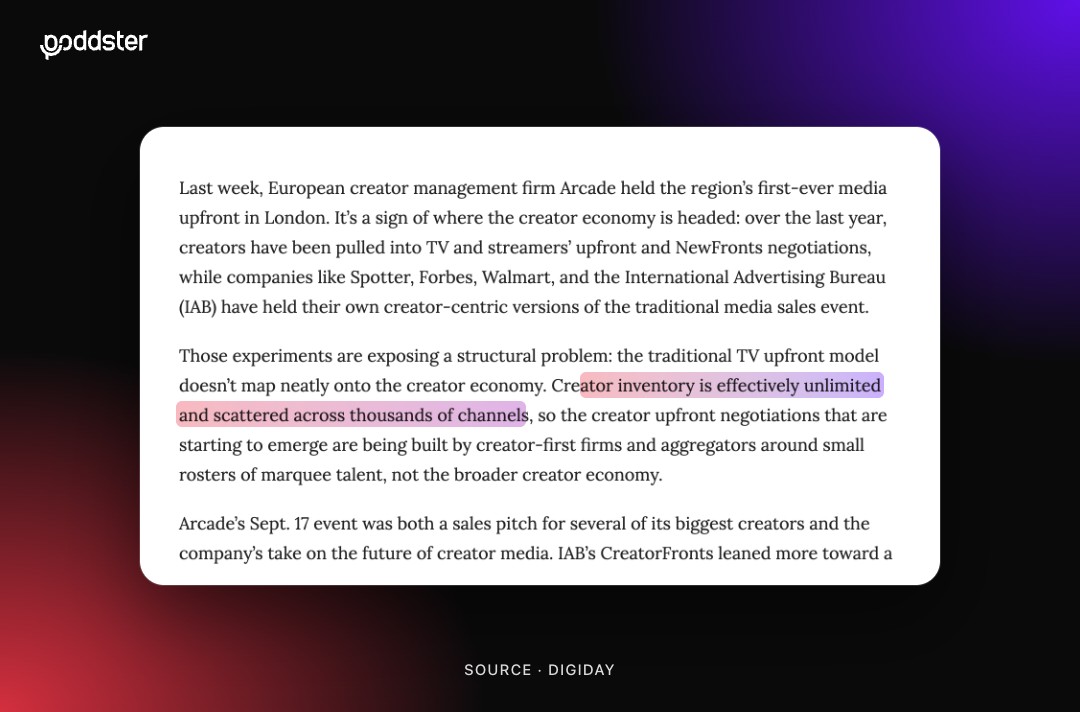
A copy of your podcast is more than a nuisance. It can carry ads from brands you would never work with, read in your host's voice. It splits your listeners, ratings and reviews across two listings. And if a copy uses a cloned voice, it can put words in your CEO's mouth. For a company podcast, that is a brand-safety problem, not just a technical one.
The good news: most of the protection is simple admin, and it costs nothing.
Read more: Independent podcast apps are fading: what to check in your distribution and data.
1. Claim your show on every major platform
On Apple Podcasts Connect, you can claim an existing show by generating a token and adding it to your feed through your host; Apple says it verifies the token within 24 hours. Spotify for Creators sends a verification code to the email address in your RSS feed, and a show can only be claimed once there. Claiming puts you in control of your listing and gives you a direct line to each platform if something goes wrong.
2. Lock down your hosting account
Use a strong, unique password and switch on two-factor authentication if your host offers it. Keep a short list of who has logins, and remove former freelancers, agencies and staff when they move on. The Jones case started with a hacked account, and your hosting login controls where your whole show is published.
3. Turn on the podcast:locked tag
The podcast:locked tag tells hosting platforms whether they are allowed to import your feed. Set to "yes," it asks them to reject import attempts. Hosts including Buzzsprout, Castos and Podigee offer it as a setting. It is a request, not a lock: it cannot stop a platform that ignores it, and Podnews notes that not many hosts support it yet. It is still worth asking about when you are choosing a host.
4. Search for your own show every month
Search your show's name and your host's name in Apple Podcasts, Spotify, YouTube and a few smaller apps. Copies tend to show up in directories you don't check, so look beyond the big three. A sudden drop in downloads or a new listing you did not create are both signals to investigate.
5. Keep proof of ownership ready
Store your original recordings, project files, publish dates, artwork files and guest agreements in one place. If you need to file a takedown, the platform will want evidence that the show is yours, and having it ready can save days.
6. Know where to report a copy
Report the copy to the hosting company that carries it first, since taking it down at the source is the fastest way to cut it off everywhere it is distributed. Then use each platform's process:
If you are moving hosts on purpose, do it properly with a redirect, so your listeners, and the platforms, can tell a real move from a hijack.
Want a second pair of eyes on how your show is set up and distributed? Talk to the Poddster team about a podcast distribution check.







Join 5.1K podcasters, creators, and brands already producing, editing and growing their video content with the world's #1 podcast studio brand.