Get Started
Get Started


Instagram's new First Draft feature auto-trims your clips into a rough-cut Reel in under 10 seconds. Here's what it actually does, and whether it's worth using for podcast clips.

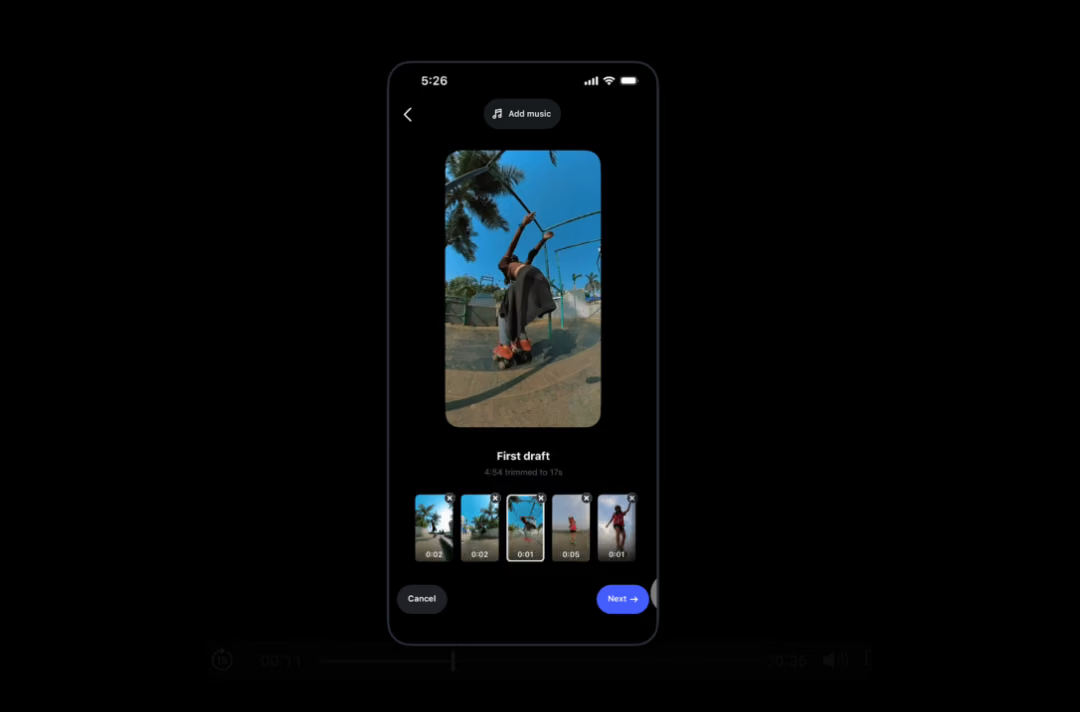
Clipping a podcast into Reels is one of the most repetitive parts of a promotion workflow: scrubbing through a full recording, finding the moment worth cutting, trimming the pauses around it, exporting. Instagram just shipped a feature aimed directly at the most tedious part of that process, called First Draft.
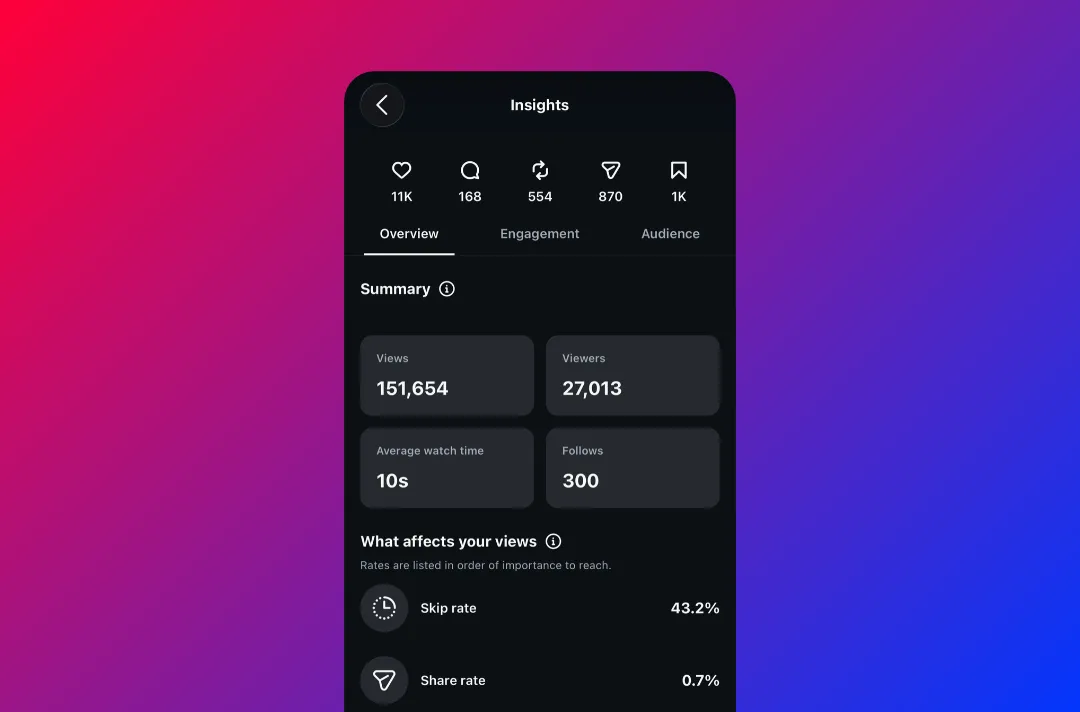
You select clips - either straight from Instagram’s camera while recording, or from your Reels gallery after choosing multiple videos - and First Draft automatically trims the footage and removes pauses, assembling the best moments into an initial cut in under 10 seconds. From there you can reorder, remove, or adjust clips, or start over entirely, before moving into the full editor or publishing. It’s rolling out on iPhone first.
Despite some early headlines calling it an "AI tool," Instagram hasn’t marketed First Draft as AI-powered. What it describes - detecting pauses and silences and automatically trimming around them - matches the kind of rules-based automated editing already available in tools like Adobe Firefly’s Quick Cuts and CapCut’s Auto Cut. What’s actually new here is Instagram building that functionality directly into its own camera and Reels gallery, so creators have less reason to move footage into a separate editing app at all.
Podcast clips live or die on finding the right 30 to 90 seconds and cutting the "umm"s and dead air around it - exactly the kind of trimming First Draft targets. For a talking-head podcast recorded to camera, that’s a genuine time-saver on the first pass: instead of scrubbing through raw footage clip by clip, you get a rough cut to react to and refine.
It won’t do the part that actually takes judgment, though. First Draft doesn’t know which moment in your episode is the quotable one, and it won’t add captions, text overlays, or a hook in the first two seconds - all things a podcast clip generally needs to perform well. Treat it as a faster starting point, not a finished product: worth testing for the mechanical trim-and-assemble step, but still worth a manual polish pass before anything goes out under your show’s name.
Anything that lowers the cost of producing clips is worth paying attention to, because clips are doing more of the discovery work than ever. 89% of podcast listeners now watch podcast-related clips on at least one social platform, led by YouTube, TikTok, and Facebook, according to Sounds Profitable’s Podcast Atlas 2026. And clipping converts: 84% of clip viewers say short-form clips lead them to become a regular listener at least sometimes, and 81% say clips lead them to watch a specific full episode.
The upside of volume is real, too. Hootsuite’s Social Media Trends 2026 report cites a $15,000 clipping campaign for the FX series Adults that produced 2,500 short clips, generating 40 million views across Reels, TikTok, and YouTube Shorts combined. Most podcast teams aren’t going to run a campaign at that scale, but the underlying logic holds at any size: the lower the per-clip editing cost, the more clips you can realistically put out, and the more chances you give people to discover the show.
The most realistic use case isn’t replacing your editor - it’s speeding up the part before your editor even gets involved. Use First Draft to turn a batch of raw talking-head footage into a rough sequence while you’re still in the recording headspace, then hand that rough cut off (or take it yourself) for the actual creative decisions: which moment is the hook, what caption sells the clip, whether it needs a text overlay to work with the sound off. iOS-only at launch also means it won’t fit into every team’s workflow yet, but for a solo host or small team already shooting video, it’s worth testing on the next batch of episodes.
Want help building a clipping and social distribution strategy that actually gets your episodes discovered? Book a free consultation with Poddster and we’ll help you figure out what’s worth automating and what still needs a human touch.

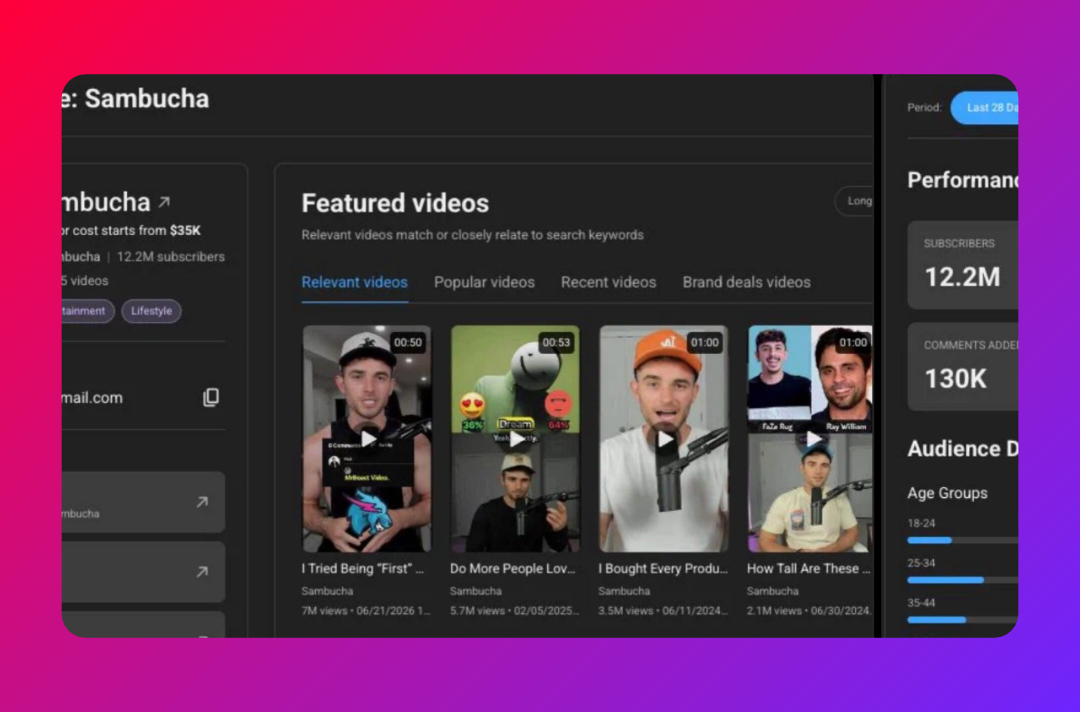



Join 5.1K podcasters, creators, and brands already producing, editing and growing their video content with the world's #1 podcast studio brand.