Get Started
Get Started


A new report finds African podcasts and videos engage audiences more than global benchmarks yet are priced far lower. Here is what the geography discount means for sponsors and shows.


Podcast advertising money is not spread evenly around the world. A new report puts a number on how uneven it is for Africa, and the finding is relevant to anyone buying or selling podcast attention in emerging markets, including the Middle East.
The Creative Africa Intelligence Report 2026 (CAIR), published by SemaBOX on October 20 and launched in Nairobi with Baraza Media Lab, studied 330 pieces of content: 227 YouTube videos and 103 Spotify episodes. They were published between June 2025 and July 2026. Ad value was estimated using the advertising rates available in each market.
The same audience attention would be worth more than $2.3 million at US, UK and Australian rates, against more than $0.9 million at local rates.
The report defines the geography discount as the reduction in commercial value caused by where the audience or creator is located, not by content quality.
Part of the reason is access to income. The report says YouTube's Partner Program was available in 13 of Africa's 54 countries during the study period, and Spotify's Partner Program was unavailable in every African market. It estimates that audiences are growing by 20% to 28% a year, while the infrastructure to monetize them is growing by 7% to 14%. These are estimates from the report, not measured figures.
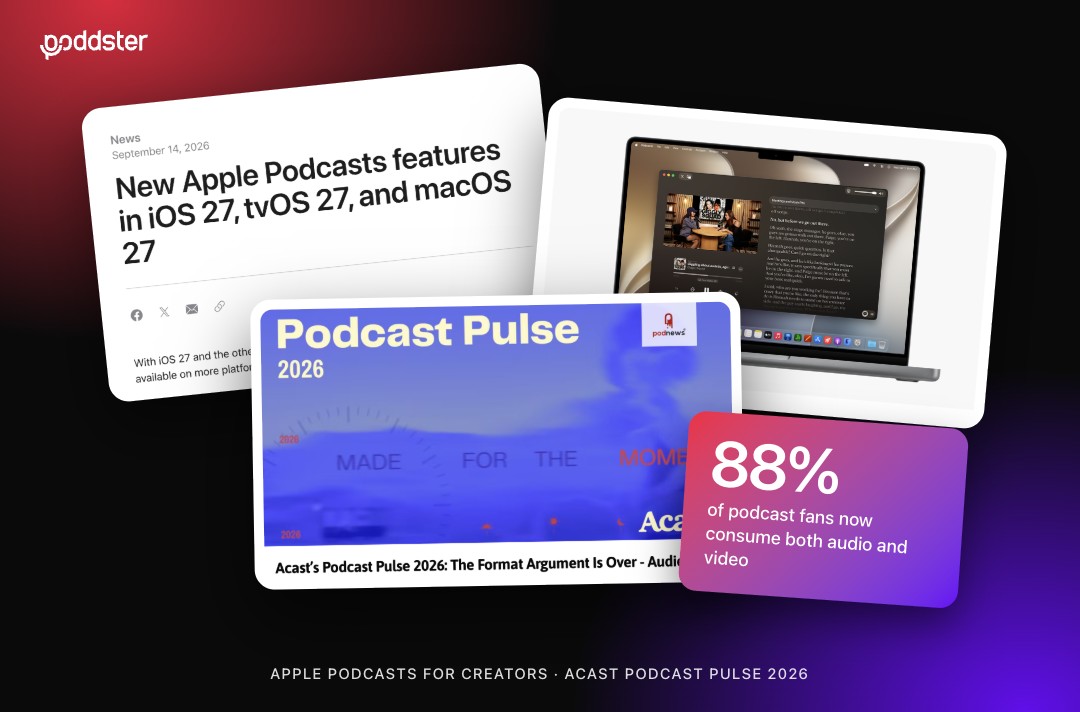
The report also found that over 68% of top-performing shows distribute in both video and audio, which fits what we see elsewhere. Our own analysis of whether adding video to a podcast pays off points the same way.
Before quoting this report, note its limits. It comes from a press release by the organization that published it. The totals imply a discount of about 61%, while the report also cites a blended advertising rate about 71% lower than the comparator, and the release does not explain the gap. Several countries use a shared fallback rate because no reliable country benchmark exists, and the creator revenue share and income figures are modelled. The sample of 330 items is also small compared with the whole market.
None of that undermines the main point, which is directional: engagement and price are different things, and local rates can understate value.
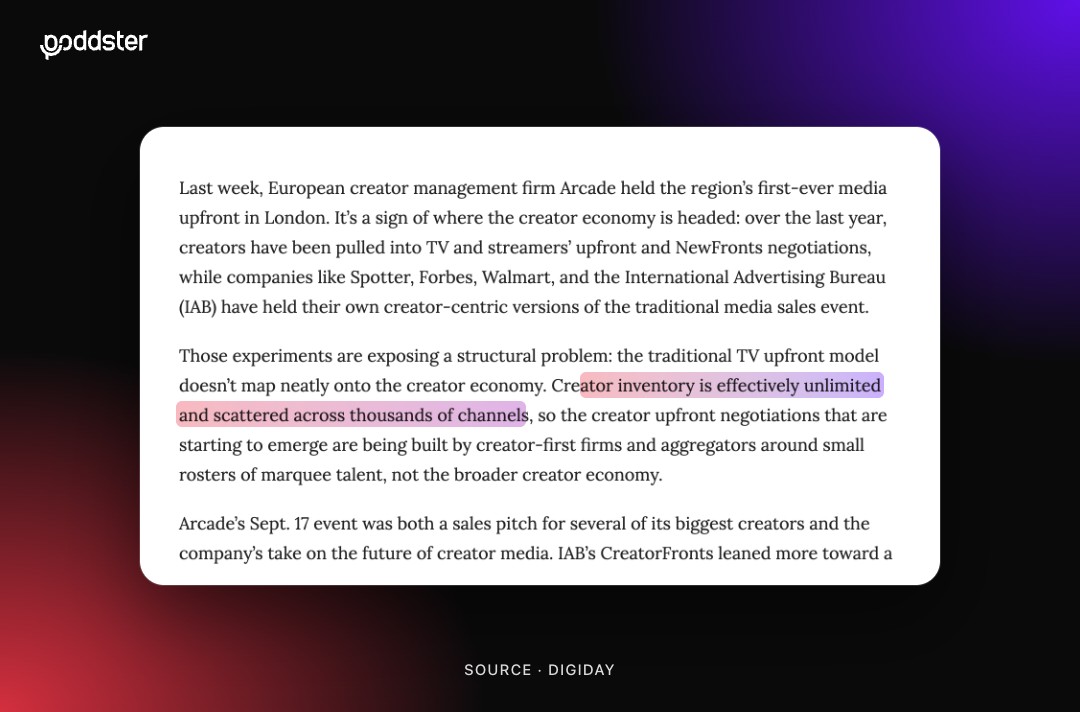
Read more: why creators want upfront deals like TV networks.
1. For sponsors: price is not a quality signal.
A show in a lower-priced region may deliver stronger engagement than a pricier one elsewhere. If you buy regionally, look at engagement and audience fit, not just cost per thousand.
2. For local shows: show your engagement.
Present your own data in negotiations. Engagement rate, watch time and audience composition support a stronger rate than a regional average would.
3. For brands: think about value, not only savings.
Lower prices are an opportunity, but sustainable partnerships pay creators fairly. A long-term partnership with a trusted host tends to work better than a one-off bargain, as we describe in how YouTube's co-views metric affects podcast brand deals.
4. For everyone: use video and audio.
The report finds long-form video on YouTube, with over 65% of videos running 60 to 120 minutes, is common among top performers.
If you want advice on valuing and buying podcast attention across regions, talk to the Poddster team.






Join 5.1K podcasters, creators, and brands already producing, editing and growing their video content with the world's #1 podcast studio brand.