Get Started
Get Started


Our 2026 picks for the best budget podcast microphones, from a $70 beginner-friendly USB/XLR mic to the premium Shure SM7dB, plus what actually matters when choosing one.
Last updated: September 2026
These days it seems like all you need to start a podcast is a laptop and a microphone. That’s largely true, and the good news is you don’t need to spend a fortune on that microphone either. In this guide, we’ll walk through the basics you need to understand before you buy, then get into our current picks for the best budget podcast microphones on the market.
A USB microphone plugs straight into your computer and is ready to record in minutes, no extra equipment required. That makes it the easiest way to get started, and it’s still our recommendation if you’re podcasting solo or just testing the waters.
An XLR microphone needs an audio interface or mixer to connect to your computer, which adds cost and a small learning curve. In exchange, you get better sound quality, more control over your recording, and an easy upgrade path if you bring on co-hosts or in-person guests down the line.
The line between the two has blurred in recent years. Several of the microphones below are hybrid models with both USB and XLR outputs built in, so you can start on USB and switch to XLR later without buying a new microphone at all.
Condenser microphones are highly sensitive and capture a wide, detailed frequency range. That makes them popular in professional studios, but it’s also their weakness at home: they pick up everything in the room, including your air conditioning, your keyboard, and the echo off a bare wall.
Dynamic microphones are far less sensitive and focus tightly on whatever is right in front of them. For most home podcast setups, that’s exactly what you want. Unless you’re recording in a properly treated room, we recommend a dynamic microphone for podcasting, and every XLR pick on this list is one.
Lavalier (clip-on) microphones are built for mobility, think interviews on location or video content where a handheld or desktop mic would be in shot. They’re worth owning for that specific use case, but we don’t recommend one as your primary podcast microphone. The sound quality and consistency of a proper desktop mic will always be better for a seated, studio-style recording.
At around $70, the Samson Q2U remains one of the best value microphones in podcasting. It offers both USB and XLR connections in one mic, so it grows with you, and it ships with a stand, windscreen, and both cables in the box. It won’t match the polish of the pricier picks below, but for a first podcast, it’s hard to beat.
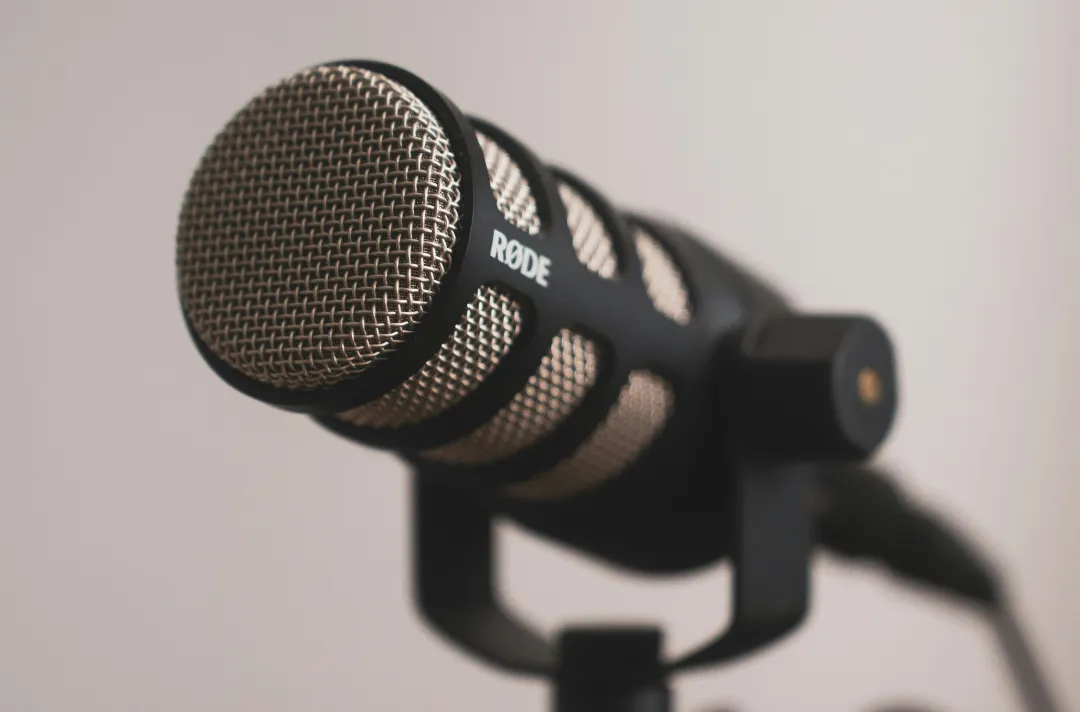
The RØDE PodMic is still our favourite dedicated XLR microphone under $100. It has a built-in pop filter and internal shock mount, so you get a broadcast-quality sound with almost no accessories to buy separately. RØDE also now sells a PodMic USB version for around $209 if you’d rather skip the audio interface altogether.
The Shure MV7+ has replaced the original MV7 as Shure’s flagship podcast microphone, and it’s our pick if you want one microphone that genuinely covers every stage of your podcasting journey. It offers both USB-C and XLR outputs, a touch-sensitive LED meter, and onboard processing (auto level, noise reduction, a digital pop filter) through Shure’s free desktop app. At around $299, it sits above true entry-level pricing, but it’s a realistic upgrade once you’re serious about the show.
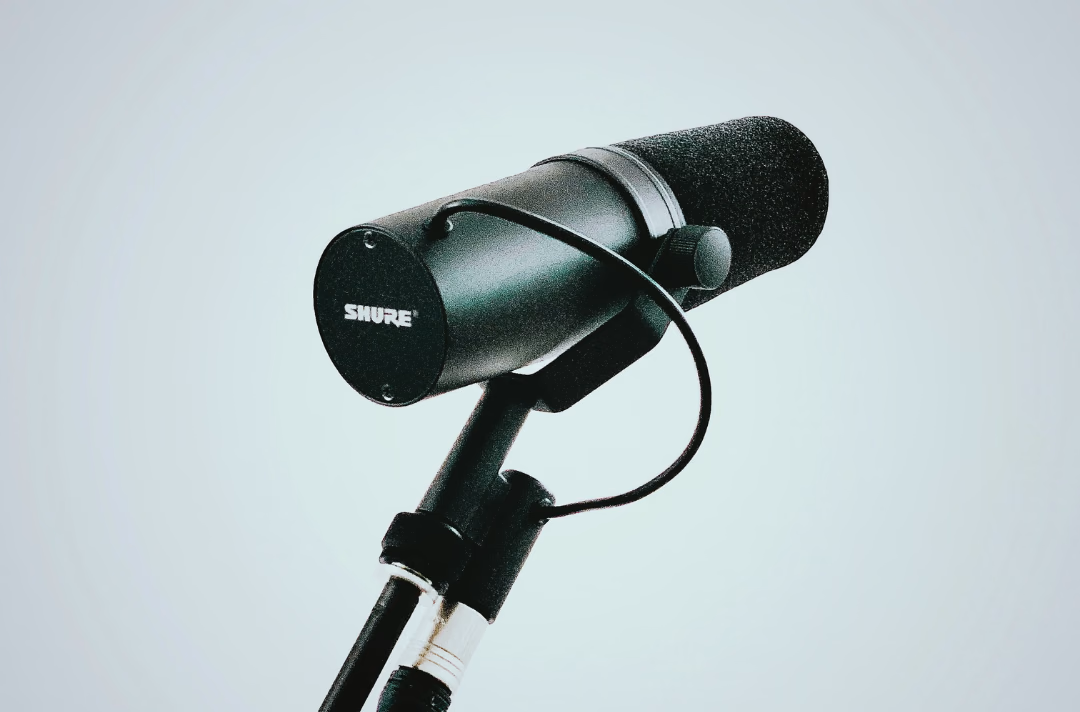
We’re including the SM7dB because it’s the pick worth saving up for once your budget genuinely allows it, not because it’s cheap. At $549, it’s the most expensive microphone on this list by a wide margin, and it needs an XLR connection with no USB option. What it buys you is the legendary SM7B sound signature (the same microphone family used across countless professional podcasts and broadcasts) plus a built-in +28dB preamp, which solves the classic SM7B complaint of needing a separate gain booster to sound loud enough. If your show has grown past a hobby and you’re ready to invest in a microphone you won’t need to replace, this is the one.
We hope this helps you feel more confident choosing the right microphone for your show. Whichever one you land on, remember that a decent budget mic used consistently will always beat an expensive one that sits in a drawer. Once you’ve picked your microphone, getting the most out of your podcast on a budget doesn’t stop there, and our guide on how to look and sound good in front of the camera is a natural next step now that so many podcasts are also being watched, not just heard.
Still a bit unsure? Don’t worry, we’re here to help. Contact our team of podcast enthusiasts and they’ll be more than happy to help you get set up. Happy podcasting!




Join 5.1K podcasters, creators, and brands already producing, editing and growing their video content with the world's #1 podcast studio brand.