

Get Started
Get Started


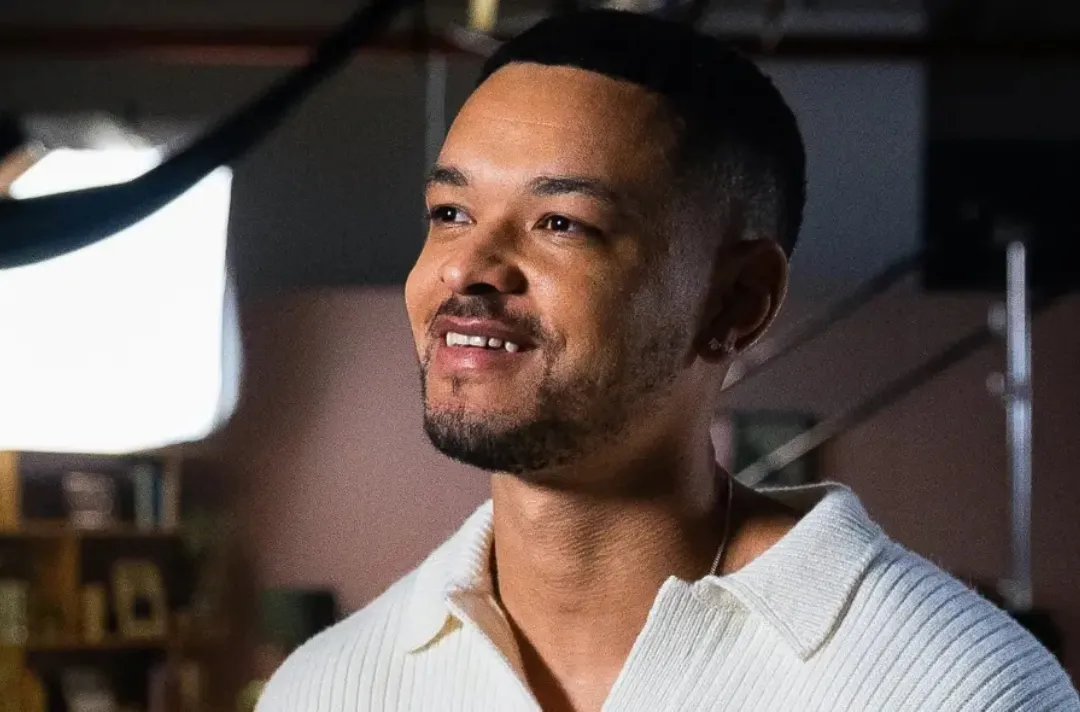
A year after backers valued his own media company at $425 million, Steven Bartlett has moved from being a creator who attracted big investment to being the one deploying it. His new venture, OBSN, launched with Authentic Brands Group's Jamie Salter, is built to put $400 million behind other creators' businesses.
OBSN, short for "Obsession," combines two very different kinds of expertise. Bartlett brings Steven.com's playbook for growing an audience and a personal brand. Authentic Brands Group brings the infrastructure of a company that has spent years turning brands and licensing deals into scaled commercial operations. Together, the pitch to creators is a one-stop shop: production support, live events, commerce, and brand licensing, all under one roof, rather than a creator having to stitch that infrastructure together deal by deal.
The venture also includes a media arm covering the creator economy itself, news, analysis, and live experiences aimed at becoming what the companies describe as the industry's definitive voice, reportedly already past a million Instagram followers before the wider launch.
A single well-known podcaster raising investment money isn't new. What makes OBSN worth paying attention to is the scale and the partner: Authentic Brands Group is a company built specifically around turning recognizable names into licensing and product empires, and it's now aiming that machinery at creators as an asset class, not just at legacy brands. That's a meaningfully different signal than a single sponsorship deal or ad campaign, and a different flavor of consolidation than the kind of platform-level cooperation and competition already playing out between Netflix and YouTube. It suggests institutional money increasingly sees a creator with a real audience the way it used to see a media brand: something worth building infrastructure around, not just renting attention from.
For independent shows, the practical read isn't that you need $400 million behind you to compete. It's that the creators and shows able to access this kind of backing will increasingly have production, commerce, and brand-licensing capabilities that a self-funded independent show doesn't. That gap is worth planning around, whether that means leaning harder into a specific niche a large platform won't chase, or being deliberate about which brand and creator partnerships actually fit your show's audience rather than accepting whatever comes calling.
1. The bar for "professional" production keeps rising
As well-capitalized creator ventures set a higher production and distribution standard, audience expectations rise with them, even for shows with far smaller budgets.
2. Commerce and licensing are becoming a normal part of a show's business model
OBSN's bet is that a creator's audience is a foundation for a broader commercial business, not just ad inventory, the same logic behind treating a branded podcast as a real content marketing channel rather than a one-off vanity project. A branded podcast can borrow that logic at a smaller scale by thinking beyond ad reads toward how a show supports the wider brand's commercial goals.
3. Consolidation makes a clear niche and voice more valuable, not less
As bigger, better-funded players enter the space, a show's most durable advantage is usually the thing hardest for a larger operation to replicate: a specific, authentic point of view for a specific audience.
Institutional money moving into creator-led media isn't a threat to every podcast, but it is a signal worth reading correctly: the creator economy is being built out as serious business infrastructure, and shows that treat themselves as a real business, audience, brand, and revenue strategy together, will be better positioned than ones that don't.
Thinking about how to build your podcast into more than just an ad slot? Talk to Poddster about developing a content and commercial strategy that scales with your show.


