Get Started
Get Started


A 500-listener study found authentic-sounding trailers beat slicker, more produced ones on nearly every metric. Here's what the winning version actually did differently.


There's a natural instinct to treat a podcast trailer like a movie trailer: fast cuts, big moments, maximum polish, the same instinct that drives a lot of over-produced branded content generally. A real-world test of that instinct, run by Coleman Insights with NOVA Entertainment and Pantheon Podcasts, found the opposite works better more often than not.
Coleman Insights tested alternate versions of trailers for four actual podcasts, High Scrollers, Better Than Yesterday, Superfan Diaries, and Binge or Cringe, among 500 US podcast listeners. Each test changed a single variable between versions rather than comparing two totally different trailers, isolating what specifically moved listener preference.
Across all four tests, five qualities kept coming up in listener feedback regardless of the show: energy, whether the show's name was memorable, how clear the topic was, how easy the trailer was to follow, and authenticity. In three of the four tests, the version listeners rated as more authentic also won on stronger preference scores and higher stated listening intent than its more polished counterpart.
The strongest result came from testing Better Than Yesterday, a mental-health podcast from NOVA. Coleman compared a highly produced "sizzle" trailer built from show clips against a plainer, more straightforward explainer version that simply told listeners what the show was about. The explainer won on nearly every metric that mattered: two-thirds of listener comments specifically referenced its clarity, and 71% described it as authentic.
That's a genuinely uncomfortable result for anyone who assumes more production value automatically means a better trailer. The version that spent less effort trying to impress and more effort clearly explaining the show won on the metrics that actually predict whether someone presses play on episode one.
1. Lead with what the show is, not with its best moments
A highlight reel assumes the listener already cares. An explainer earns that care first by being clear about what they're signing up for, which the data suggests matters more for a new listener with no context yet.
2. Don't confuse polish with quality
A trailer can be well-produced and still feel authentic. The problem isn't production value itself, it's when heavy editing and pacing choices start to feel like marketing rather than a genuine preview of the show.
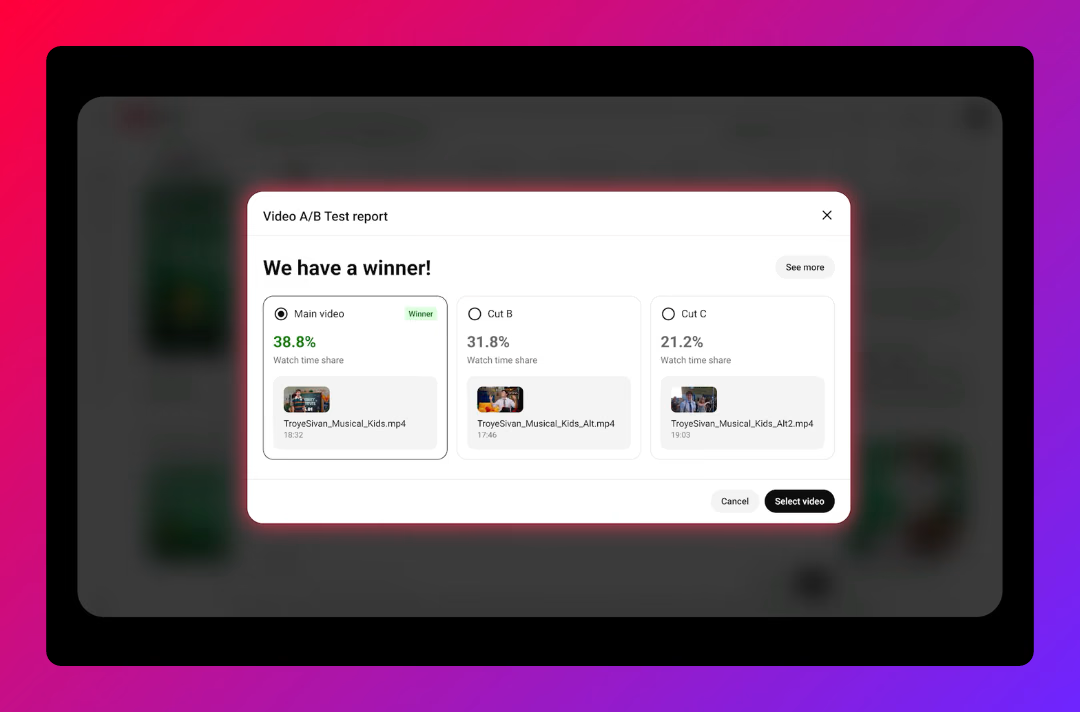
3. Test more than one cut before committing
Coleman's methodology, testing real alternate versions rather than assuming one approach is correct, is a useful model at any scale. Even an informal version, playing two trailer cuts for a handful of people outside the production team, can surface the same kind of clarity-versus-polish tradeoff before a trailer goes live.
This is a useful data point to bring into the launch process for a new branded show, where the trailer is often one of the first pieces of content a potential listener ever encounters, and the temptation to over-produce it is highest.
Not sure whether your show's trailer is doing its job, or just showing off? Talk to Poddster about testing and cutting a trailer that actually converts curious listeners into subscribers.





Join 5.1K podcasters, creators, and brands already producing, editing and growing their video content with the world's #1 podcast studio brand.