Get Started
Get Started


A clear topic isn't the same as a clear angle. Here's why the sharpest podcasts pick a specific point of view and never blur it, and how to find yours.

Ask most first-time podcasters what their show is about and you'll get a topic: marketing, parenting, true crime, startups. Ask them why someone should listen to their show instead of the twenty other shows about that same topic, and the answer usually gets vague fast. That gap is the difference between a topic and an angle, and it's the single most common reason promising podcasts blend into the background instead of standing out.
A topic is a category. An angle is a specific, repeatable point of view inside that category, the thing that makes an episode instantly recognizable as yours even with the title cut off. Two shows can cover identical subject matter and feel completely different because one has an angle and the other doesn't.
Take interview podcasts as a category. It's one of the most crowded formats in the entire medium, which makes it a useful test case: the shows that break out of that crowd almost always share one thing, a single, unmistakable angle they never drift from.
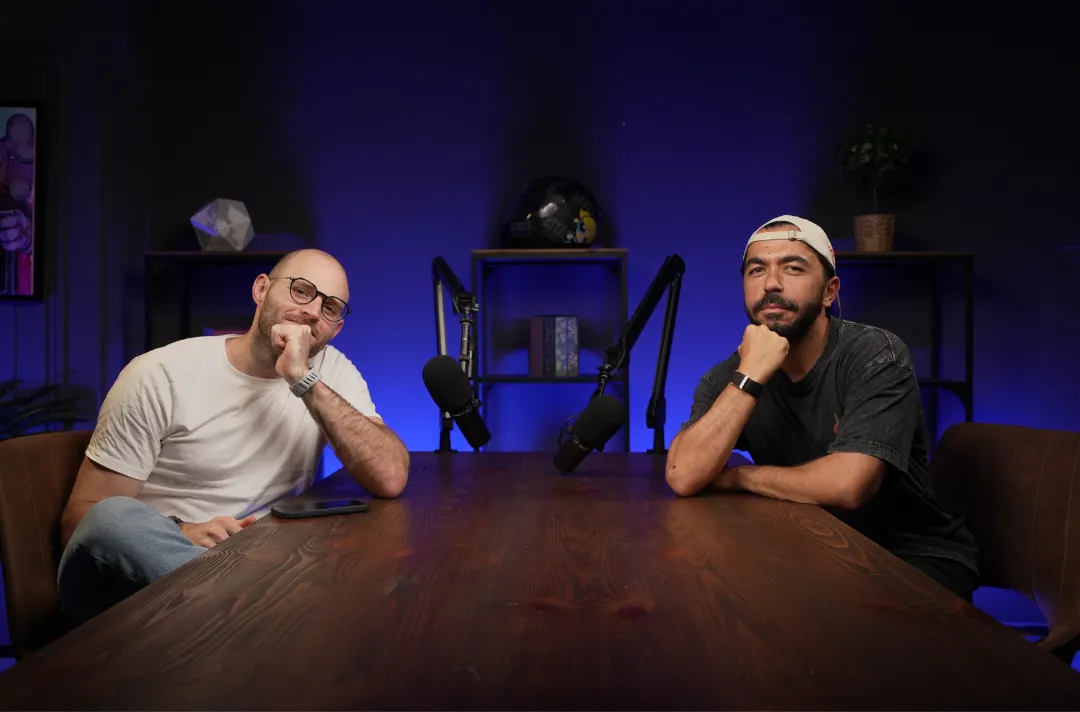
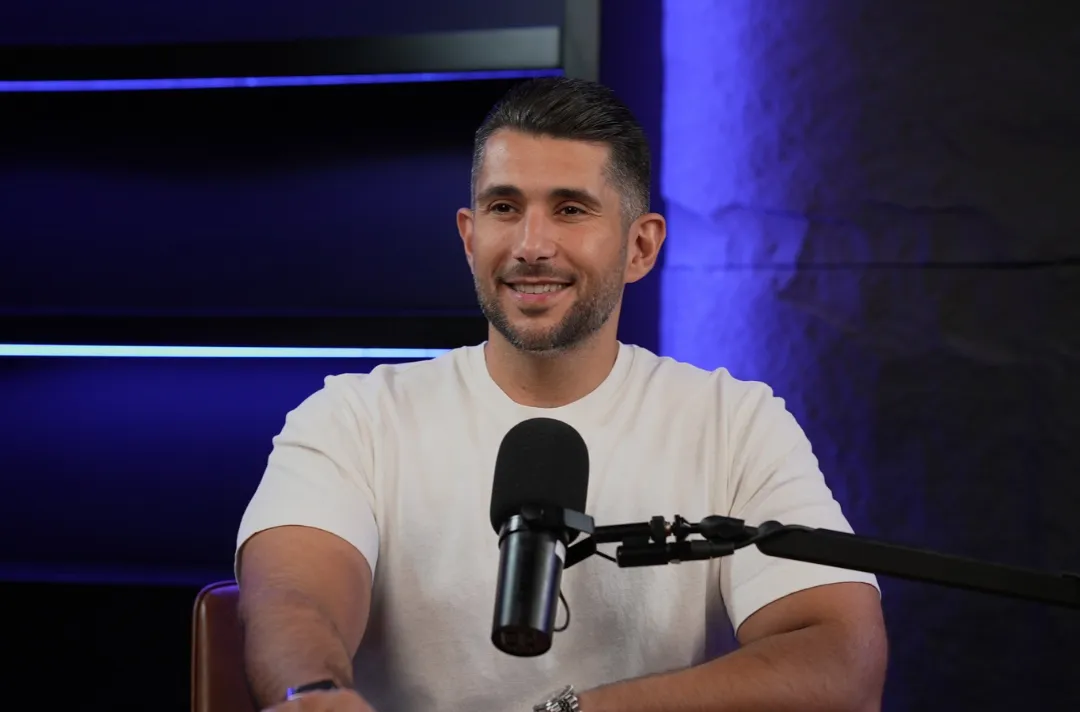
The clearest example in the region right now is #ABtalks, hosted by Anas Bukhash. The topic, broadly, is celebrity and public-figure interviews, a category with no shortage of competition. The angle is much narrower: emotional transparency and honest conversation about the person behind the public persona, not the achievements or the headlines. That specific lane, not the topic, is what has carried the show past 10 million subscribers and made it the leading show of its kind in the MENA region, expanding onto Netflix along the way. Every episode is recognizably #ABtalks before a viewer even reads the guest's name, because the angle never moves.
Contrast that with a format built entirely on unfiltered, no-filter chemistry between two hosts, where the appeal isn't the subject of any given episode at all. It's the specific, consistent tone: chaotic, relatable, and completely unpolished by design. Or a celebrity-hosted hangout built around loose, funny, personality-first conversation with a tight circle of friends, where the promise to the listener isn't information, it's time spent inside a specific social dynamic. None of these shows are competing on breadth of topic. They're winning on precision of angle.
1. Separate your subject from your opinion about it
Your topic is neutral. Your angle is a stance. "Marketing" is a topic. "Most marketing advice is built for companies with ten times your budget" is an angle. If you can't state a specific point of view about your topic in one sentence, you don't have an angle yet, you have a category.
2. Run the "only podcast that" test
Try to finish this sentence honestly: "This is the only podcast that ______." If the blank could just as easily describe five other shows, the angle isn't narrow enough. If nothing else fits neatly, you're close.
3. Decide what you'll never do, not just what you will
An angle is defined as much by exclusion as by inclusion. #ABtalks works partly because it consistently refuses to chase headline-driven, achievement-focused interviews in favor of the personal. Deciding what your show will never cover, in tone or in content, is often more clarifying than deciding what it will.
4. Check that your angle survives a bad guest week
A topic-only show lives or dies on how interesting each guest happens to be. A show with a real angle stays consistent even when the guest is less exciting, because the point of view, not the subject, is doing the work.
A clear angle isn't a creative constraint, it's what makes every other decision easier. It tells you which guests to book and which to pass on, what to title an episode, what belongs in your show notes, and how to describe your podcast in one sentence to someone who's never heard it. Shows without an angle spend years trying to figure out what they are. Shows with one spend that same time building an audience that already knows exactly what they're getting, episode after episode.
If you're still narrowing down what your show's angle actually is, that decision is worth getting right before a single episode is recorded, not after twenty episodes when the audience has already formed its own confused idea of what your show is for. Our guide on picking a narrower competitive corner covers the related question of scope, while this one is about tone and point of view specifically. Together they cover most of the positioning work a new show needs before launch.
Not sure how to translate a strong point of view into a podcast that actually sounds like it on air? Get in touch with Poddster and we'll help you sharpen your angle before you spend a single day producing episodes around the wrong one.





Join 5.1K podcasters, creators, and brands already producing, editing and growing their video content with the world's #1 podcast studio brand.