Get Started
Get Started


A great podcast name is clear, memorable, and searchable, in that order. Here's the checklist to run your title against before you lock it in.


Naming a podcast feels like it should be the fun part, and it is, right up until you realize the name is also doing real functional work: helping a stranger scrolling a directory decide in half a second whether to tap on your show. Here are eight checks worth running any candidate name through before it goes on the cover art.
1. Is it clear before it's clever
A name that requires an explanation is a name that's losing potential listeners before they ever press play. Someone scanning a search results page or a directory should be able to guess the general subject or angle of the show from the title alone. Wordplay and puns are fine as a layer on top of clarity. They're a problem when they replace it.
2. Is it short enough to say out loud without stumbling
Aim for roughly two to five words. Longer names get shortened by listeners anyway, informally, in conversation and in search, and you want to control what that shortened version is rather than leave it to chance.
3. Is it easy to spell from hearing it once
A podcast name is often encountered by ear first, in conversation or an ad read, before it's ever seen written down. If a listener has to guess how to spell it to find it later, some percentage of them simply won't bother. Save deliberate misspellings and homophones for a brand name you're prepared to spell out constantly.
4. Is it distinct from shows already out there
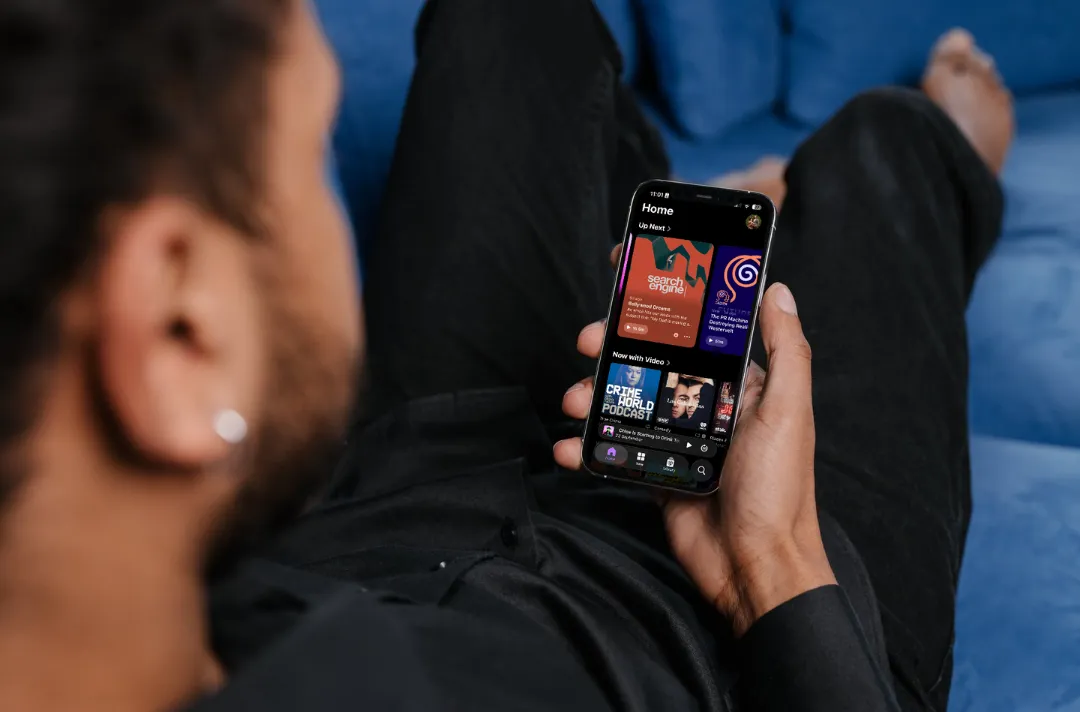
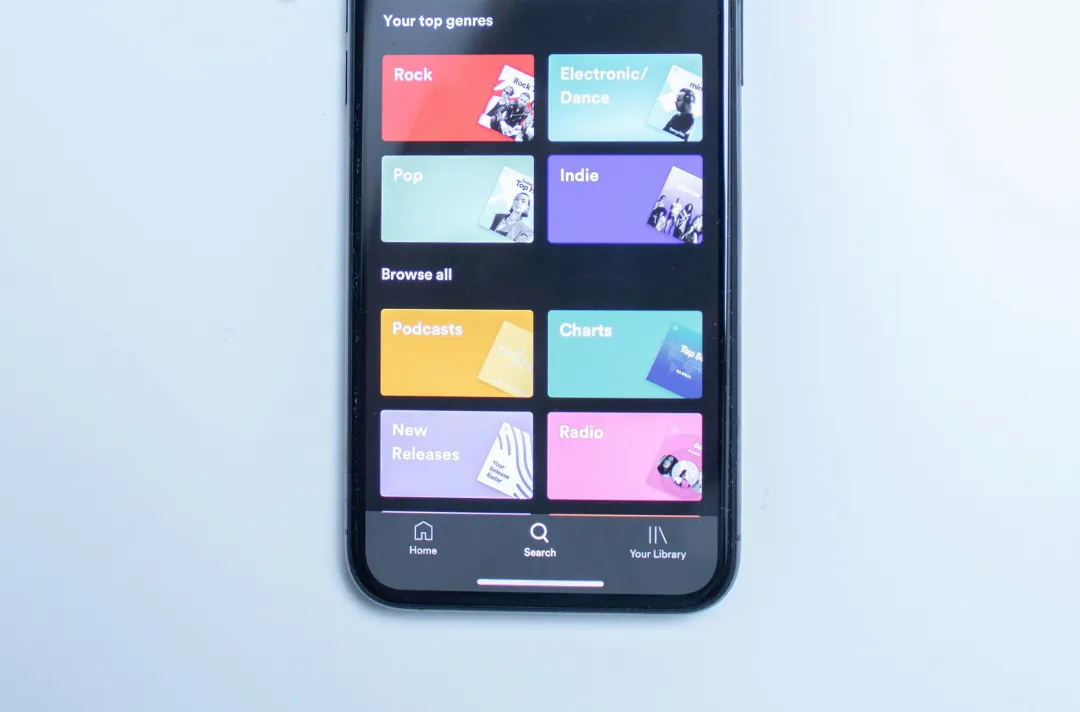
Search your exact candidate name, and close variations of it, on Apple Podcasts, Spotify, and a general web search before committing. A name that's one word off from an established show doesn't just risk listener confusion, it makes your show harder to find in search results crowded by the other one.
5. Does it follow platform naming rules
Apple Podcasts and Spotify both restrict certain content in titles, including the word "podcast" itself in most cases, along with profanity and excessive symbols or emoji. Check current guidelines on whichever hosting platform you're distributing through before finalizing a name, since a rejected or flagged title can delay a launch at the worst possible moment.
6. Does it match the actual tone of the show
A punchy, comedic name attached to a serious, buttoned-up interview show sets an expectation the content doesn't deliver on, and vice versa. The name is a promise about what the listening experience will feel like, so it should sound like the show, not like a separate creative exercise.
7. Does it include a word someone would actually search for
A name that contains a real keyword related to your topic, industry, or audience gets a small but permanent SEO advantage in podcast app search and general web search, one that a purely abstract or brand-driven name gives up. This matters more for a branded or corporate show trying to be found by people who don't already know it exists than for an established personality-led show.
8. Does the domain and social handle exist in some usable form
Before locking in a name, check whether a reasonably close domain and matching social handles are available. You don't need an exact match everywhere, but discovering after launch that your show's name is already someone else's active handle everywhere creates an avoidable branding headache.
Getting the name right is worth the extra week it sometimes takes, but it's one piece of a much larger set of decisions that go into launching a podcast for a business, alongside format, cadence, and distribution. A great name attached to a show with no clear plan for what comes next only gets a listener to episode one, not episode ten.
Stuck between two or three name candidates, or not sure if your favorite option clears platform rules? Talk to Poddster and we'll help you pressure-test it before it goes on the cover art.



Join 5.1K podcasters, creators, and brands already producing, editing and growing their video content with the world's #1 podcast studio brand.